
Gold Price Prediction in Pakistan: Trends & Factors
📈 Explore key factors affecting gold prices in Pakistan, including economic indicators, government rules, and market trends to guide your investments wisely in 2024.
Edited By
Daniel Foster
Gold has always been a preferred choice for Pakistani investors and consumers, especially during uncertain economic times. The price of gold in Pakistan tends to reflect both local economic conditions and international market shifts. A clear understanding of these factors is key for anyone looking to trade, invest, or buy gold in PKR terms.
Local demand remains strong, influenced heavily by cultural traditions such as weddings and festivals like Eid. This demand spikes certain times of the year and keeps gold prices buoyant despite market fluctuations. For instance, during recent Ramazan and Eid seasons, the price of 24-carat gold surged by nearly Rs 4,000 per tola within a few weeks, showing how seasonal trends directly affect price movements.
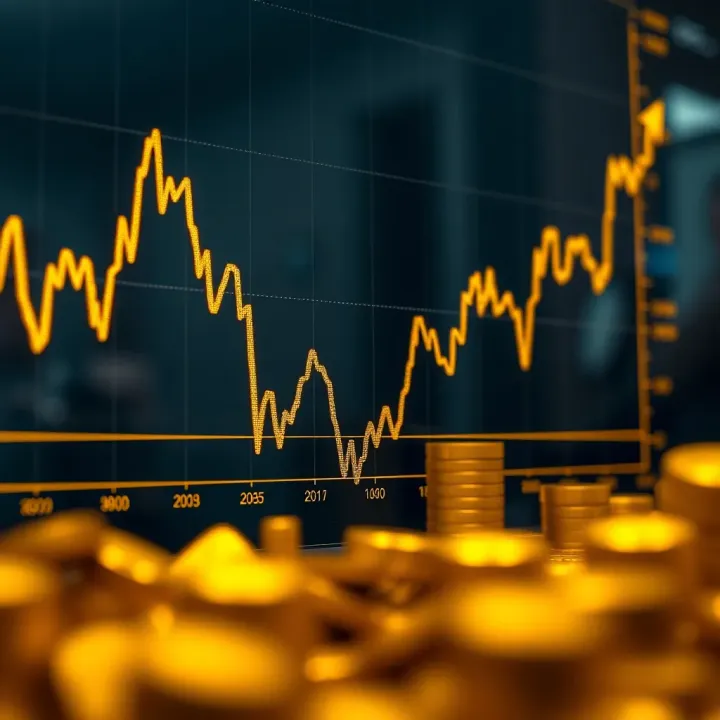
Globally, the US dollar strength, inflation rates, and geopolitical tensions also play a big role in determining Pakistan’s gold prices. When the US dollar weakens, gold usually gains value internationally, translating to higher costs in Pakistan’s import-dependent market. Additionally, rising inflation in major economies prompts investors worldwide to seek gold as a store of value, pushing prices upward.
Pakistan’s gold market is unique due to import duties and regulatory policies by State Bank of Pakistan (SBP) and the Federal Board of Revenue (FBR), impacting supply and pricing dynamics.
The rupee's exchange rate against the US dollar is a major driver for gold prices in Pakistan. For example, when the rupee depreciates to Rs 300 or beyond per dollar, gold prices typically rise sharply since Pakistan imports most of its gold. Conversely, short-term appreciation in the rupee can ease pressure on prices, but such moves tend to be temporary given broader economic challenges.
To forecast gold prices, traders and analysts watch indicators like SBP's monetary policy moves, inflation reports, and global economic cues. They also monitor jewellery sales trends and official import data, which reveal shifts in domestic demand and stock flows.
Understanding these interconnected factors helps investors make informed decisions about when to enter or exit the gold market in Pakistan. This article explores recent trends, key influences, and practical insights to guide you through Pakistan’s gold price fluctuations.
Understanding current trends in Pakistan's gold market offers valuable insights for investors and traders navigating the unpredictable financial landscape. These trends reveal how domestic factors and global developments influence gold prices, helping businesses and consumers make informed decisions.
Monthly price fluctuations in Pakistan reflect a mix of local economic events and international market shifts. For example, during sudden rupee depreciation or political unrest, gold prices tend to spike as investors seek safe-haven assets. Tracking these monthly ups and downs enables traders to anticipate short-term risks and adjust their portfolios accordingly.
Looking at the comparison with past years, gold prices in Pakistan have generally risen due to persistent inflation and currency weakness. However, some years show corrections where prices stabilise or fall slightly, often linked to government policies or global economic calm. Analysing these patterns improves understanding of long-term price cycles, which is crucial when timing larger investments or declaring market strategies.
Global gold rates heavily influence local prices due to the significant reliance on imports and the rupee-dollar exchange rate. When international gold prices increase—driven by factors like geopolitical tensions or the US Federal Reserve's interest rate decisions—Pakistan’s gold rates usually follow suit. Investors and consumers who watch global price trends can better predict domestic movements, avoiding surprises during volatile periods.
Consumer buying patterns in Pakistan fluctuate with cultural and economic seasons, such as during wedding seasons or religious festivals like Eid when demand for gold jewellery surges sharply. Recognising these demand spikes helps jewellery businesses manage inventory and pricing efficiently. On the other hand, economic downturns reduce household spending on luxury items, slowing demand.
The jewellery industry demand plays a critical role given Pakistan’s significant gold consumption in the form of ornaments. Trends in design preferences, purity standards, and urban versus rural buying power shape the market’s volume. Local manufacturers monitor these preferences closely to remain competitive and meet shifting consumer tastes.
Import and export factors influence supply availability and cost. Restrictive government duties or delays in import approvals can limit gold availability, pushing prices higher. Conversely, relaxed import policies or increased smuggling crackdown can stabilise supply. For example, the government's past moves to adjust import duties after rupee volatility had a noticeable impact on monthly gold prices.
Current market trends in Pakistan are essential signals for anyone buying gold or investing in this sector. They reveal how local behaviour intertwines with global events, shaping the price landscape you face daily.
By keeping an eye on these trends, you can better position yourself to benefit or protect your holdings in a market that often swings unexpectedly.
Understanding the key factors that influence gold prices is essential for anticipating market trends and making informed decisions. Both local economic conditions and global forces interplay to shape the price dynamics of gold in Pakistan. Traders, analysts, and investors need to closely follow these indicators to better time their moves and hedge risks.
Inflation erodes the purchasing power of the rupee, pushing investors toward gold as a store of value. When inflation rises, people tend to buy more gold to safeguard their wealth, driving prices up. For example, during periods when Pakistan’s inflation rate crosses double digits, gold demand typically jumps, reflecting its role as a hedge against currency devaluation.
The Pakistani rupee’s performance against the US dollar strongly affects gold prices since Pakistan imports most of its gold. A depreciating rupee makes gold more expensive locally, increasing retail prices irrespective of international movements. Conversely, a stronger rupee can ease import costs and moderate domestic gold prices. Traders should monitor daily forex rates as even small fluctuations can affect margin calculations and investor sentiment.
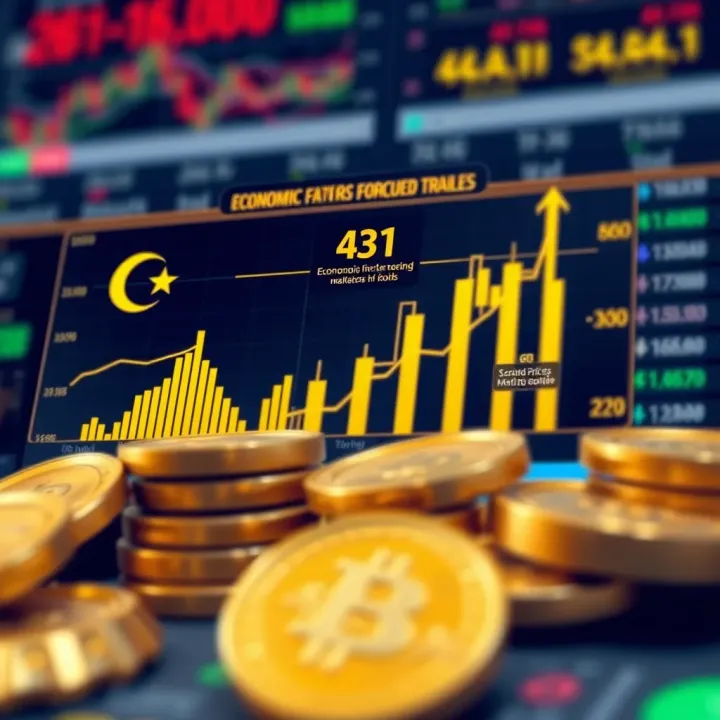
Interest rate changes by the State Bank of Pakistan (SBP) influence gold by altering the opportunity cost of holding non-interest-bearing assets like gold. When SBP raises rates, fixed-income investments become more attractive, often dampening gold demand. In contrast, lower or stable rates push investors toward gold, especially during economic uncertainty. Policies around foreign exchange reserves and monetary easing also indirectly impact gold prices through market liquidity and currency stability.
Local gold prices in Pakistan largely follow global gold trends quoted in US dollars. Global demand-supply shifts, influenced by central bank actions, ETF flows, or economic data, set the baseline for Pakistani gold rates. For instance, when global prices rise due to increased safe-haven buying during crises, local prices follow swiftly, subject to currency adjustments and import costs.
Unrest or political instability in key global regions spurs uncertainty, increasing demand for gold as a safe asset. Tensions such as conflicts in the Middle East or trade disputes between major economies often trigger sharp climbs in gold prices internationally, which then reflect in the Pakistani market. Investors here keep a close watch on such developments as they can suddenly affect market sentiment and price volatility.
Since gold is priced in dollars worldwide, the dollar's strength inversely affects gold prices. A strong US dollar makes gold costlier for holders of other currencies, reducing demand and usually lowering gold prices. When the dollar weakens, it boosts gold's appeal globally. In Pakistan, fluctuations in the dollar directly impact rupee-dollar exchange rates and therefore modify local gold prices both directly and through import costs.
Keeping an eye on both local economic signals and global market forces helps investors and traders better navigate Pakistan’s gold market, spotting opportunities and managing risks effectively.
Forecasting gold prices is vital for investors, traders, and analysts to make informed decisions in Pakistan's often unpredictable market. Understanding both the methods used for prediction and the challenges involved helps in managing risks and seizing opportunities effectively. Since gold prices respond to various local and global factors, relying on precise forecasting tools alongside awareness of potential pitfalls is essential.
Technical analysis tools focus on studying historical price data and trading volumes. Analysts chart gold price movements to find patterns that might suggest future trends. For example, moving averages and relative strength indexes (RSI) are regularly monitored by traders in Pakistan to spot entry and exit points. These tools work well in markets where price trends tend to continue for some time but can be less reliable during erratic swings.
Fundamental economic analysis involves assessing economic indicators such as inflation rates, currency strength, and interest rate policies, especially those announced by the State Bank of Pakistan. This method evaluates how these variables influence gold demand and supply. For instance, a depreciation of the Pakistani rupee often triggers a rise in gold prices since import costs increase. Investors watching economic reports like SBP monetary policy or inflation updates can foresee shifts in gold pricing more accurately.
Role of market sentiment captures the psychological and emotional factors affecting gold prices. News about geopolitical tensions, especially in South Asia or Middle East, tends to nudge investors toward gold as a safe haven. Social media discussions, expert commentary, and local buyer behaviour also affect sentiment. In Pakistan, sudden political developments or foreign policy announcements can rapidly change market mood, influencing buying and selling intensity beyond fundamental or technical projections.
Volatility factors pose a major challenge. Gold prices often swing sharply due to reactions to global crises, local economic data releases, or sudden changes in exchange rates. Pakistan's exposure to currency fluctuations and political uncertainty increases this unpredictability. For example, unexpected rupee devaluation or announcements of export restrictions can cause sharp price spikes that forecasting tools may not anticipate.
Regulatory changes also limit forecasting accuracy. Government decisions such as changes in import duties on gold or withholding tax on jewellery sales can alter demand instantly. In Pakistan, these policies sometimes shift quickly due to budgetary pressures or trade negotiations, making it difficult for forecasts to keep pace. Investors must stay updated on fiscal policy announcements and regulatory news to factor these into their decisions.
Market speculation can distort price signals. Large-scale buying or selling by jewellery traders, bullion dealers, or even informal market players may create price swings disconnected from underlying economic fundamentals. In Pakistan's gold market, where cash transactions remain significant, rumours or speculative moves often trigger volatility. This speculative behaviour challenges even the best forecasting methods, requiring cautious interpretation of signals.
While forecasting gold prices offers valuable insights, Pakistani investors must recognise these methods' limits and incorporate multiple approaches alongside current market realities for sound decisions.
This balanced understanding of forecasting techniques and inherent challenges can help professionals and traders navigate Pakistan's unique gold market dynamics more confidently.
Understanding the implications of gold price trends is vital for investors and consumers in Pakistan. Gold is not just a luxury item here; it's a significant store of value and an important part of cultural practices such as weddings. The fluctuating gold prices directly affect investment returns, jewellery affordability, and even household savings.
Risks in investing in gold vary from price volatility to external economic shocks. For instance, Pakistan’s gold market often reacts sharply to changes in currency exchange rates, especially the PKR against the US dollar. An investor must evaluate how fluctuations can impact the value of gold holdings, particularly if planning to liquidate assets amid political instability or sudden regulatory adjustments.
Moreover, gold, unlike stocks or real estate, does not provide dividends or rental income. Hence, investors need to balance potential price gains against these risks and should ideally consider gold as part of a diversified portfolio to mitigate losses during market downturns.
Gold holds strong appeal as a safe-haven asset in Pakistan, especially during times of economic uncertainty or high inflation. Historically, when the rupee weakens or inflation spikes, many Pakistanis turn to gold to preserve wealth. For example, during periods of increasing consumer prices, gold prices often rise, maintaining purchasing power better than cash savings in banks.
This role is particularly important for middle-class investors who may not have access to complex financial products. Holding physical gold or gold-backed schemes can protect them from currency depreciation and the impacts of loadshedding on economic confidence.
Timing matters when dealing in gold. Buying during seasonal low-demand periods such as immediately after major festivals like Eid or weddings season can save money, given that prices tend to peak during high jewellery demand.
On the selling side, investors should watch for spikes linked to global events or changes in government fiscal policies, such as import duty revisions. For example, an unexpected announcement increasing custom duties can push retail prices up, making it a profitable moment to sell.
Purity directly affects the value of gold jewellery and coins. In Pakistan, karat purity is commonly 22k or 24k. Always look for a stamp or official certification, such as from the Pakistan Gems and Jewellery Development Company, which verifies the gold’s authenticity.
Avoid buying from unknown vendors who cannot provide proper certification. Impure gold or adulterated pieces mean less value and potential resale issues, which can hurt buyers paying premium prices based on appearance alone.
Choosing reliable vendors is key to safe gold purchases. Established jewellers in cities like Karachi, Lahore, and Islamabad typically offer verified purity and transparent pricing.
Going to well-known shops also helps avoid scams, especially in unorganised bazaars where counterfeit items circulate. Some vendors provide hallmarked products under government schemes, offering additional peace of mind.
Government fiscal policies, such as import duties and taxes, significantly impact gold prices. In recent years, Pakistan has adjusted customs duties on gold coins and bullions multiple times, affecting prices almost immediately.
For consumers and investors, staying updated on such policy changes will help them make smarter purchasing decisions. For example, buying before a duty hike can save thousands of rupees per tola. Likewise, being aware of potential tax reliefs announced in the budget may encourage timely investments.
For Pakistani buyers and investors, gold remains more than an asset; it is a shield against economic uncertainty and a tradition deeply woven into social fabric. Navigating the market with awareness of these implications can safeguard both financial and cultural wealth.
Understanding the outlook for gold prices over the next year helps investors and analysts make informed decisions. This section highlights expert forecasts, government economic policies, and the impact of the global economic recovery—all of which shape the market direction for gold in Pakistan. For traders, knowing these factors assists in strategic timing of buying or selling gold, while for finance professionals, it offers a clearer picture of portfolio risk.
Analyst forecasts serve as a key indicator for gold price trends. Market experts often use data such as historical price charts, geopolitical events, and global monetary policies to predict future prices. For instance, some analysts predict a moderate rise in gold prices during 2024 due to increasing inflation concerns and global uncertainties, which typically boost gold's appeal as a safe asset. Local traders benefit by aligning their trading strategies with these forecasts, especially when aiming to hedge against currency depreciation.
Government economic plans influence gold prices considerably. Pakistan’s fiscal policies, budgets, and any monetary tightening by the State Bank influence gold demand and import costs. For example, a government plan to reduce the current account deficit by cutting imports may lead to restricted gold imports, pushing local prices up. Investors should keep an eye on announcements related to import duties or tax reforms, as these directly affect gold market liquidity and pricing.
Global economic recovery impact also affects gold prices in Pakistan. As economies recover from COVID-19 shocks, demand for commodities including gold fluctuates. A slow recovery in major markets like the US or China can cause gold prices to remain strong due to safe-haven buying. Conversely, a robust recovery might shift investor interest towards equities, lowering gold demand. Pakistani investors must consider these patterns, as they influence prices and the rupee-dollar exchange rate.
Political stability in Pakistan directly impacts gold price volatility. Political unrest or sudden government changes can scare investors, causing a surge in gold buying as a security measure. For example, election periods often see increased price spikes due to uncertainty. Traders and consumers should factor in the political calendar to time their purchases or sales better.
Commodity market shifts pose risks to gold prices as well. Changes in global commodity prices, such as crude oil or silver, can create ripple effects. A sudden surge in oil prices raises inflation expectations, often pushing gold prices upward. However, fluctuations in commodities that compete with gold for investment may lead to price adjustments. Staying updated on commodity markets helps in anticipating these changes.
Changes in import duties on gold are particularly influential in Pakistan’s market. Since Pakistan relies heavily on gold imports, any increase in customs duties raises the landed cost, which reflects in domestic prices. For instance, an unexpected hike from 1% to 3% can make gold noticeably more expensive for buyers. Importers and retailers need to watch government notifications closely to manage stock and pricing effectively.
Keeping track of these outlook factors is essential for anyone dealing in gold in Pakistan. They form the backbone of informed decision-making and safeguard against sudden market shocks.
📈 Explore key factors affecting gold prices in Pakistan, including economic indicators, government rules, and market trends to guide your investments wisely in 2024.

📈 Explore the gold price forecast in Pakistan with detailed trends, economic impacts, government policies, and market insights for investors and consumers alike.
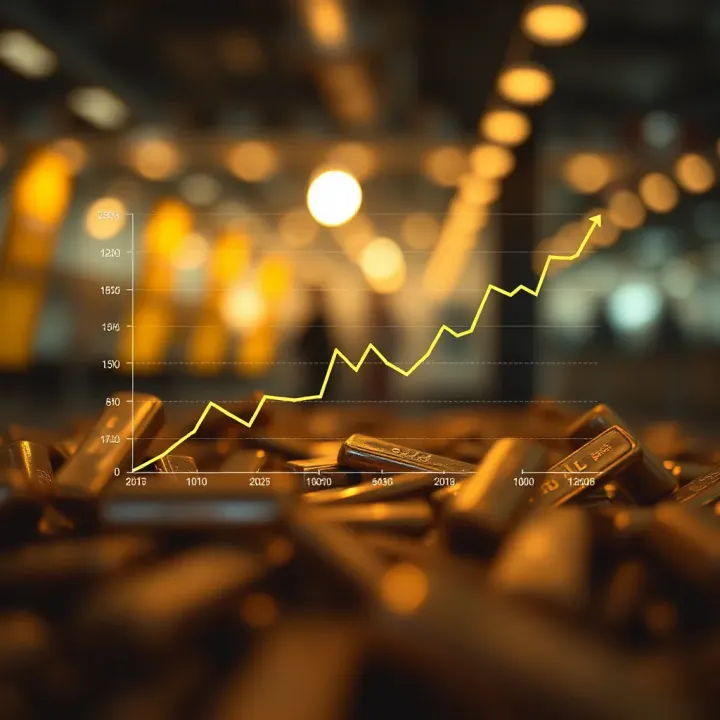
Discover what shapes tomorrow's gold price in Pakistan 🏆 - from exchange rate changes to government policies and global market trends impacting your investment 💰.
Explore the key factors and trends shaping BGB prices 📊 in Pakistan 🇵🇰. Learn how market changes impact investors and businesses today and tomorrow.
Based on 7 reviews