

XAU/USD Gold Price Forecast for Tomorrow
📈 Discover the XAU/USD forecast for tomorrow with insights on economic data, geopolitical risks, and market trends influencing gold prices in Pakistan.
Edited By
Charlotte Beaumont
Gold prices in Pakistan are influenced by various factors that shift daily, often based on both local and global scenarios. For traders and investors alike, understanding what affects tomorrow's gold price can help make smarter decisions, whether you're buying, selling, or just keeping an eye on the market.
Several key drivers work together to shape gold price movements. Exchange rates, especially the Pakistan Rupee's value against the US dollar, play a major role. A weaker Rupee typically pushes up the price of gold in PKR terms, since gold is priced internationally in dollars. For instance, if the Rupee drops from Rs 280 to Rs 285 against the dollar overnight, the gold price is likely to rise proportionally the next day.

Government policies also affect gold prices. Any new duties on imports, changes in excise taxes, or shifts in customs regulations can alter the cost of bringing gold into the country, which then reflects in local prices. For example, when the government recently raised import duty on gold jewellery, prices spiked immediately following the announcement.
Global trends can’t be ignored. Factors like changes in international interest rates, geopolitical tensions, or shifts in oil prices often cause investors to turn toward or away from gold as a safe haven. If the US Federal Reserve hints at raising interest rates, that usually makes gold less attractive globally, which pulls local prices down. On the flip side, rising tensions in areas like the Middle East have historically increased demand for gold, consequently hiking prices.
In Pakistan, market sentiment and speculation also shape prices. Traders watch for signals such as bullion demand reports, purchases by local jewellers ahead of Eid, or remittance flows. Increased demand during festive seasons typically pushes prices up in anticipation.
Monitoring the Pakistan Rupee to US dollar exchange rate alongside government policy changes provides the clearest short-term signals for tomorrow’s gold price.
To summarise, when expecting tomorrow's gold price, focus on these factors:
Exchange rate movements
Government import duties and taxes
Global economic and political developments
Local demand cycles and market sentiment
Watch these closely and you'll have a better grasp on how gold prices in Pakistan may shift the very next day.
Understanding the factors that influence tomorrow’s gold price is essential for anyone involved in trading, investment, or financial analysis in Pakistan. These drivers are often interconnected, reflecting both local economic conditions and broader global forces. For traders and investors, watching these factors can provide practical clues on when to step in or hold back from the gold market.
Inflation rate trends in Pakistan have a direct impact on gold prices. When inflation rises, the purchasing power of the Pakistani Rupee (PKR) declines, making gold a preferred hedge against losing value. For instance, during periods when Pakistan experiences inflation above 10%, retail investors often flock towards gold, pushing prices up. Conversely, stable or lower inflation may reduce demand for gold as a store of value.
Currency exchange fluctuations (PKR/USD) also play a significant role. Since Pakistan imports most of its gold, the daily PKR/USD rate affects the cost of acquiring gold in local markets. A weakening PKR against the US dollar drives gold prices higher, as importers pay more PKR for the same quantity of gold. For example, recent volatility around Rs 285-300 per dollar has caused noticeable swings in Karachi and Lahore market gold rates. Traders must closely monitor these currency trends to anticipate price movements.
The interest rate movements by the State Bank of Pakistan (SBP) influence gold prices indirectly. Higher SBP policy rates tend to make fixed-income investments more attractive, pulling investment away from non-yielding assets like gold. When the SBP raises interest rates to tackle inflation or stabilize the currency, gold demand may ease, temporarily softening prices. On the other hand, lower interest rates can boost gold buying, as borrowing costs reduce and alternative returns shrink.
Global factors often ripple through Pakistan’s gold prices. The international gold demand and supply situation shapes the global benchmark price, which sets the tone locally. Increased demand from major consumers like India, China, or central banks can push world prices up. Similarly, disruptions in supply from top producers such as South Africa or Russia can tighten markets. Pakistani traders must watch these signals as global shifts can quickly impact local cost.
The strength of the US dollar exerts a strong influence on gold pricing worldwide. Since gold is priced in US dollars, a strong dollar makes gold more expensive for holders of other currencies, reducing demand and possibly lowering prices. When the dollar weakens, gold often gains as it becomes cheaper for foreign buyers. This inverse relationship is critical for Pakistani investors especially amid frequent PKR/USD changes.
Finally, geopolitical tensions and market uncertainty often push investors toward safe-haven assets like gold. Events such as conflicts, trade wars, or financial crises increase risk aversion and drive up gold prices. For example, during times of rising instability in the Middle East or financial stress in major economies, Pakistani buyers also show more interest in gold. Understanding these cues helps traders anticipate sudden price jumps due to global anxiety.

Monitoring both local economic indicators and global trends helps forecast gold price swings with better precision. Combined, these factors offer a practical framework to gauge market sentiment and make informed decisions.
Understanding gold price signals and forecasts helps traders, investors, and analysts make informed decisions. These signals provide clues about possible price movements, allowing you to time purchases or sales more effectively. Being able to read these signs also reduces the risk of losses in a market as volatile as gold.
Reading daily gold price charts involves examining price movements plotted over time. Traders in Pakistan often follow charts showing gold prices in PKR, observing how the price changes hourly or daily. These charts help spot support and resistance levels—price points where gold tends to stop falling or rising. For example, if gold price hovers around Rs 122,000 per 10 grams and bounces upwards several times, that price acts as support. This info guides you on when to enter or exit the market.
Common patterns and what they suggest also assist in predicting gold prices. One familiar pattern is the "head and shoulders," which can signal a reversal from an uptrend to a downtrend. Another is the "double bottom," often indicating a potential price rise after a period of decline. Recognising these trends on charts can sharpen your forecasts and improve trading outcomes. For instance, spotting a double bottom pattern may signal it’s time to buy before the price increases.
For Pakistani traders, credible sources for gold forecasts include financial news outlets like Business Recorder, insights from State Bank of Pakistan reports, local brokers, and international organisations like the World Gold Council. These sources analyse supply-demand, currency trends, inflation rates, and geopolitical events to estimate gold’s direction. You should cross-check forecasts to avoid relying on a single opinion and consider how local factors such as PKR/USD fluctuations might alter global outlooks.
However, it’s essential to understand the limits of predictive accuracy. Gold prices can be highly reactive to sudden geopolitical shifts or speculations, which no forecast can fully predict. Despite sophisticated models, unexpected news—like a sudden policy change or conflict escalation—can cause sharp price swings. Therefore, forecasts should guide your strategy, not dictate it. Always combine analytical forecasts with your judgement and risk tolerance.
Remember, interpreting gold price forecasts requires a balance of chart analysis, trusted predictions, and understanding market moods to make the best trading decisions in Pakistan’s dynamic economic environment.
The exchange rate between the Pakistani Rupee (PKR) and the US Dollar (USD) plays a vital role in shaping gold prices in Pakistan. Since gold is priced internationally in USD, any change in PKR/USD exchange rate directly affects the local cost of gold. For traders, investors, and consumers, understanding this impact helps in making timely decisions and anticipating price movements.
Gold imports in Pakistan are billed in USD, so when the PKR weakens against the dollar, buyers need more rupees to pay the same price. This conversion cost pushes local gold prices upward even if the global price remains stable. For instance, if the PKR falls from Rs 280 to Rs 300 per dollar, a kilo of gold priced at $60,000 abroad will cost more in rupees by Rs 1.2 million. This effect means local gold traders must adjust their prices to cover the increased cost of imports.
On the other hand, a stronger rupee means imported gold costs less in PKR terms, potentially lowering prices in the local market. Traders closely watch exchange rate trends because even small shifts can affect their buying and selling strategies.
In recent years, the PKR has experienced considerable volatility due to factors such as trade deficits, foreign debt repayments, and political uncertainty. Such fluctuations add unpredictability to gold pricing locally. For example, a sudden devaluation often prompts a quick jump in gold prices as traders expect higher import costs and increased demand for gold as a hedge against currency risk.
This volatility means investors and buyers should keep an eye on forex market news and SBP updates that influence the rupee's strength. Sudden swings underline the importance of timing when entering gold trades.
The State Bank of Pakistan (SBP) actively manages forex reserves to stabilise the PKR value. When reserves are low, the SBP may intervene in the forex market by selling dollars to support the rupee. Such actions tend to ease pressure on the exchange rate, which can moderate expected rises in gold prices.
Conversely, dwindling reserves reduce the SBP's ability to defend the rupee, resulting in sharper devaluations. This situation often causes a spike in gold prices locally. Following SBP announcements or reserve updates is useful to anticipate possible gold price movements tied to exchange rate stability.
Import duties and taxes imposed on gold imports add another layer of cost that directly affects final prices in Pakistan. For instance, Customs duties combined with sales tax, withholding tax, and other levies can add up to 20-25% on top of the international price and conversion costs.
Changes in these government policies, such as temporary duty hikes or exemptions, can cause immediate ripples in gold pricing. Traders and buyers should remain alert to fiscal changes announced by the Federal Board of Revenue (FBR) and the Ministry of Finance, as these impact not only gold's affordability but also market demand.
Exchange rate swings, forex reserve levels, and government taxes create a complex yet critical environment for gold pricing in Pakistan. Staying informed about these factors offers traders and investors a practical edge in navigating the market effectively.
Understanding the exchange rate impact helps anticipate price shifts and plan accordingly in Pakistan's gold market, where import costs and policy decisions play a significant role.
Understanding practical aspects is key for anyone dealing with gold in Pakistan, whether you are a trader, investor, or a consumer. Gold price forecasts offer guidance, but real gains depend on knowing when to enter or exit the market and where to verify price updates. Practical considerations help avoid unnecessary losses, such as overpaying during price surges or selling gold at unfavourable times. This section focuses on timing your trades and reliable sources for daily gold prices, tailored for Pakistan’s unique economic conditions.
Gold prices in Pakistan often include a premium on top of the international rates, reflecting import costs, taxes, and local demand. Buying gold when the premium is low can make a significant difference to your overall expense. For instance, around Eid or wedding seasons, demand spikes and so does the premium, pushing prices higher even if the global gold price remains steady. By watching price forecasts and market sentiment, you can plan to make purchases during softer demand periods—like after such peak seasons or during government budget announcements impacting currency stability.
Price dips can tempt sellers to offload their gold to avoid further losses. However, this is not always ideal. A strategy to consider is holding your gold through short-term drops if forecasts indicate recovery, especially when dips arise from temporary local factors like currency volatility rather than a global slump. Traders often spread out sales to average better prices rather than selling all stocks immediately after a dip. Sometimes, converting gold into cash gradually during ups and downs helps manage risk and liquidity.
Official gold prices published by recognised sources like the Pakistan Mercantile Exchange (PMEX) or jewellers' associations offer baseline prices. These rates reflect both international benchmark prices and local premiums adjusted daily depending on the PKR to USD exchange rate and import costs. Referring to official rates helps you avoid misinformation from unverified channels and ensures your trading decisions align with market realities.
Several Pakistani financial platforms and apps track gold prices in real-time, including JazzCash, Easypaisa’s financial news sections, and business portals like Dawn Business or ProPakistani. These tools provide quick updates and notifications, which are handy for active traders who need to respond swiftly to price shifts. Mobile apps that aggregate data from official exchanges paired with currency rate updates enable better timing for both buying and selling. Verifying prices on multiple platforms can also highlight discrepancies or unusual price changes before you act.
Keeping an eye on credible price data and timing trades strategically can help you navigate Pakistan’s gold market with better confidence and efficiency.
📈 Discover the XAU/USD forecast for tomorrow with insights on economic data, geopolitical risks, and market trends influencing gold prices in Pakistan.

📈 Curious if gold prices will rise soon? Explore economic trends, currency shifts, and geopolitical factors shaping gold rates in Pakistan for smart investing decisions.
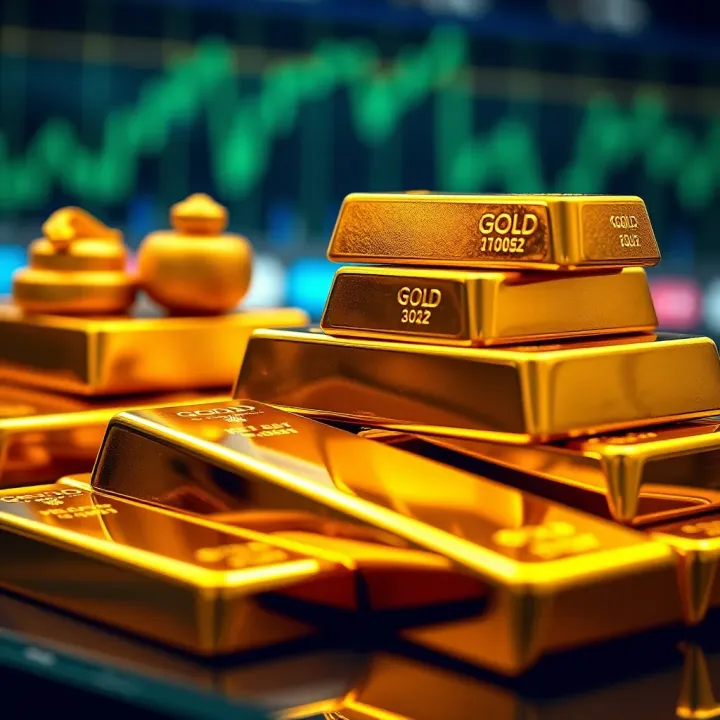
💰 Explore today's gold forecast in Pakistan and beyond! Understand economic, geopolitical factors and market trends shaping gold prices for smart investing.

Stay updated on tomorrow's gold rate in Pakistan 📈. Learn what influences prices, how to track changes, and tips for smart investing in gold. 💰
Based on 9 reviews