
Understanding Deriv Trading in Pakistan
Learn how Pakistani investors can trade derivatives wisely 📈. Understand various types, risks, regulations, and smart strategies tailored for Pakistan’s market.
Edited By
Hannah Mitchell
Robot trading has become a significant tool for investors looking to automate their trading activities. In simple terms, robot trading uses software programs, often called trading bots, to place buy or sell orders based on pre-set criteria. For Pakistani investors, this approach can offer a way to trade more efficiently without needing to constantly monitor markets.
These automated bots analyse market data like price movements, volume, and trends, then execute trades faster than a human could. This speed can be critical, especially in volatile markets such as the Pakistan Stock Exchange (PSX) or international markets like the US Nasdaq where rapid fluctuations occur.
While robot trading might sound like a set-and-forget game, it requires careful selection of strategies. Common approaches include trend-following, which buys assets rising in value, or mean-reversion, which bets on price corrections. Pakistani investors can experiment with these strategies in test environments before committing real capital.
Using robot trading does not guarantee profits, and the risks include technical failures, unexpected market behaviour, and strategy flaws. Therefore, adequate backtesting and risk management are essential.
Setting up robot trading involves choosing reliable software compatible with platforms like MetaTrader or local brokers who offer automated trading features. Since Pakistan's financial market regulation regarding automated trading is still evolving, investors should stay updated with the Securities and Exchange Commission of Pakistan (SECP) guidelines.
Understanding how robot trading functions within financial markets is essential for Pakistani investors aiming to automate their investment processes. These automated systems remove the delay and emotional bias found in human trading, offering speed and consistency especially useful in volatile markets like PSX or forex trading platforms accessible in Pakistan.
At the heart of robot trading lie software programs built on algorithms designed to analyse market data, identify trading opportunities, and execute transactions. These algorithms use mathematical models and historical data to predict price movements and decide entry or exit points. In Pakistan’s context, these systems might be integrated with local brokerage APIs or use global platforms that support seamless connectivity.
Execution of trades happens without the need for human intervention once the system is configured. This means the software interacts directly with market exchanges—buying or selling securities based on pre-set rules or machine learning insights. This hands-off approach enables investors to act promptly when market conditions change, avoiding delays common in manual trading decisions.
Trend following and momentum-based bots track the direction of price movements to capitalise on sustained trends. For example, if the KSE-100 index shows upward momentum, these bots will buy anticipating further rises, then sell as the trend reverses. This strategy works well in markets with clear directional moves but can struggle during sideways ranges.
Arbitrage and market-making algorithms exploit price differences between markets or instruments. For instance, a bot might notice that a stock trades cheaply on one foreign exchange platform compared to another accessible via international brokers. By simultaneously buying low and selling high, the bot locks in quick profits. Market-making bots provide liquidity by continuously quoting buy and sell prices, earning small margins on spread—invaluable in less liquid Pakistani securities.
Mean reversion and other statistical methods assume that prices will revert to their average after extreme movements. A bot using mean reversion might buy a stock in PSX after an unusual drop, expecting prices to bounce back, or sell after a spike anticipating a fall. These methods rely heavily on statistical analysis and require rigorous backtesting against local and international market data to be effective.
Automated trading systems combine speed, precision, and data-driven strategies. For Pakistani investors, knowing how different types of robot trading strategies work helps in selecting or customising bots suited to local market conditions and risk appetite.
This operational knowledge allows investors to not just use robot trading but to adapt strategies consciously, ensuring better control over automated decisions in Pakistan’s unique financial environment.
Trading robots offer notable advantages for Pakistani investors but also come with certain risks. Understanding these benefits and challenges helps traders make informed decisions before deploying automation in volatile markets.
Automated systems can execute trades in milliseconds, much faster than any human could react. For example, during sharp market moves influenced by geopolitical events or economic announcements, a robot trading system can instantly place buy or sell orders, taking advantage of small price gaps. This speed is especially useful in the volatile local and international markets accessible to Pakistani traders, where delays can cost profits.
Moreover, efficient execution reduces slippage and transaction costs, helping traders optimise returns. Given Pakistan Stock Exchange’s frequent sudden price jumps in some sectors, automated response times can be a game-changer.
Humans often let fear or greed influence their trades, leading to irrational decisions like panic selling or holding losing positions too long. Trading robots strictly follow predefined algorithms, ignoring emotions. This results in disciplined trading, which is crucial for Pakistani investors who may otherwise react emotionally due to market noise or media hype.
For example, during sudden rupee depreciation or global commodity price swings, automated systems won’t hesitate or second-guess themselves. This steadiness can help protect capital and realise consistent gains.
Manual trading limits investors to focus on one or two markets at best. Robots, however, track dozens of assets—from foreign forex pairs to commodities and equities—without missing any crucial signals.
Pakistani investors keen on diversifying across markets like KSE shares, US stocks, and currency pairs can benefit. A robot can spot trading opportunities simultaneously, entering or exiting positions swiftly wherever conditions are favourable. This broad oversight is rarely possible manually.
Robot trading relies heavily on software and internet connectivity. Any technical failure, like a server crash or unstable internet, can halt trading or cause unintended orders. For instance, intermittent power outages and fluctuating internet speeds common in some Pakistani cities may interrupt trade execution at crucial moments.
These glitches could result in missed profits or unexpected losses. Traders must ensure backup systems and robust internet setups to reduce such risks.
Algorithms can’t capture every market nuance or unexpected event. Blindly trusting automated systems without monitoring can lead to bigger troubles, especially during unusual events like Pakistani budget announcements or unanticipated global shocks.
Human oversight helps detect algorithm failures or changing market contexts that require manual intervention. Ignoring this balance might magnify losses rather than minimise risks.
Although robots execute trades faster, they cannot fully prevent losses during turbulent periods. Market volatility—like 2022’s rupee crash or geopolitical tensions—can cause rapid price swings triggering heavy drawdowns.
Automated strategies based on past data might fail if new factors drastically change volatility patterns. Traders must set sensible stop-loss orders and avoid overleveraging to buffer against such swings.
While robot trading can enhance efficiency and reduce emotional errors, recognising its limits and risks safeguards your investment against unexpected challenges.
By weighing these benefits and pitfalls carefully, Pakistani traders can better harness robot trading to augment their portfolios while staying alert to potential downsides.
Setting up robot trading accurately is key to making the most of automated investments in Pakistan's financial markets. With increasing internet penetration and more brokers supporting automated tools, it’s easier now to join this trend. However, proper platform selection, technical readiness, and thorough strategy testing remain crucial to avoid costly errors.
Several Pakistani brokers have started offering platforms where robot trading is supported either natively or through plugins like MetaTrader 4 or 5 (MT4/MT5). For instance, brokers in Karachi or Lahore often provide access to Pakistan Stock Exchange (PSX) along with forex markets. Choosing a local broker offers the benefit of regulated environments monitored by the Securities and Exchange Commission of Pakistan (SECP), which adds a layer of security for your investment.
These brokers usually support Pakistani payment systems like JazzCash or bank transfers in PKR, making fund deposits and withdrawals smoother. Plus, you can often get local customer support in Urdu or English, which helps during setup or troubleshooting.
On the other hand, international trading platforms like Interactive Brokers or eToro provide a wider range of assets including global stocks, forex, commodities, and cryptocurrencies. Pakistani investors accessing these platforms need to ensure compliance with SBP regulations, especially for forex trading.
International platforms often offer more advanced robot trading tools and greater liquidity but require stronger internet connections and reliable VPN services to ensure uninterrupted access. Moreover, fund transfer methods like wire transfers or international e-wallets (e.g., Skrill, Neteller) might take longer and involve higher fees.
Robot trading demands stable and fast internet connections. In Pakistan, where loadshedding and network outages can occur, investing in backup power sources like UPS or generators helps maintain uninterrupted trading. A minimum broadband speed of 4 Mbps is generally adequate for real-time data streaming and order execution.
Regarding hardware, a mid-range laptop or desktop with at least 8 GB RAM and a reliable processor ensures smooth running of trading software and multiple programs simultaneously.
Once you select a platform, installing the correct robot trading software is essential. Most local and international brokers guide users through installing platforms like MT4, MT5, or cTrader with robot support.
Configuration includes linking the robot's algorithm with your account, setting trading parameters such as risk levels, lot sizes, and stop-loss limits. For instance, an aggressive robot might trade frequently, which could pose risk in volatile markets such as during political announcements in Pakistan.
Before trusting a robot with live funds, use backtesting tools available in most trading platforms. Backtesting runs your strategy against past market data to see how it would have performed. For Pakistani investors, it’s practical to test against data from Pakistan Stock Exchange or forex pairs relevant to PKR.
Backtesting identifies flaws and refines strategy parameters without financial risk. For example, a trend-following bot could be tested for performance during bearish phases in the market to understand its behaviour when prices fall.
Forward testing takes the strategy a step further by running it on a demo account that simulates live conditions but with no real money at risk. Pakistani investors can use demo accounts offered by most brokers to observe their robot’s response to market changes in real time.
This phase ensures the robot behaves as expected under current market volatility before switching to a live account. It also helps gauge latency issues that might arise from local internet conditions.
Always remember: A well-tested strategy minimizes risks and builds confidence, especially when real PKR investments are on the line.
By carefully choosing platforms, meeting technical needs, and thoroughly testing strategies, Pakistani investors can harness the benefits of robot trading while managing the risks effectively.
Using robot trading in Pakistan requires a clear understanding of both regulatory and security frameworks. These elements protect investors from legal issues, market abuse, and cyber threats. For Pakistani investors, knowing how these systems operate ensures trading activities comply with local laws while safeguarding accounts and personal data.
The Securities and Exchange Commission of Pakistan (SECP) regulates trading activities, including automated trading systems, to maintain market integrity and protect investors. SECP outlines rules that trading platforms and brokers must follow, such as transparency in transactions and requirements for licensing. These guidelines help Pakistani investors identify legitimate brokers offering robot trading services and avoid scams.
For example, if an investor uses an unregistered broker promising guaranteed profits through automated bots, they risk losing money without recourse. The SECP's oversight extends to ensuring that these platforms maintain fair practices, especially when handling client funds and transaction execution. Staying informed about SECP regulations is crucial to avoid penalties and safeguard investments.
Forex trading through automated systems in Pakistan falls under the State Bank of Pakistan (SBP) jurisdiction. SBP regulates foreign exchange transactions to prevent illegal currency trading and maintain monetary stability. It restricts the use of unapproved forex platforms and enforces rules around cross-border currency flows.
For instance, Pakistani investors must only use SBP-approved brokers if engaging in robot trading for forex to ensure legal compliance. This helps avoid fines or freezing of accounts for trading with offshore brokers. Understanding SBP regulations ensures that your forex trading automation respects Pakistan’s currency control policies while enabling secure and legal transactions.
Security of trading data and transactions is critical in robot trading. Trusted platforms use encryption protocols to secure communications between users and servers, preventing data theft or interception during trade execution. Pakistani investors should prefer brokers who offer SSL encryption and two-factor authentication to keep their trading activities safe.
A practical precaution is choosing platforms with a strong security record and regularly updated software. This reduces risks of hacking or man-in-the-middle attacks, which can lead to unauthorised trades or loss of account access. Secure servers and encrypted transactions give investors confidence when deploying their robots in live markets.
Keeping login details, passwords, and other broker credentials confidential is vital. Storing these securely and changing passwords periodically can prevent unauthorised access. Many automated trading platforms allow API keys to connect robots with broker accounts; these keys should be safeguarded as strictly as passwords.
Pakistani investors must also be careful with personal information online to avoid phishing scams or identity theft. Using secure internet connections rather than public Wi-Fi, and enabling account alerts, helps identify suspicious activities early. Simple practices like these guard against financial losses and protect privacy when engaging in robot trading.
Navigating Pakistan’s regulatory landscape together with a robust security approach creates a safe environment for robot trading. It not only ensures legal compliance but also protects your investments from cyber threats and operational risks.
By staying aware of SECP and SBP requirements, selecting secure platforms, and protecting sensitive information, investors in Pakistan can take advantage of automated trading technologies while minimising risks.
Successful robot trading isn’t just about setting up your automated system and letting it run unattended. You need to actively monitor performance and adjust strategies to stay profitable, especially in Pakistan’s dynamic markets. This section offers practical advice to help you avoid common pitfalls and manage your robot trader effectively.
Regular reviewing of performance and risk levels is crucial to keep your robot trading on track. Market conditions shift quickly, and what worked last month might start losing steam. Keep an eye on key metrics such as win rate, drawdown (peak-to-trough losses), and overall profit or loss. For example, if your momentum-based bot on the PSX suddenly shows higher drawdowns than usual, it may be overtrading during volatile sessions triggered by political news or economic reports. Regular checks allow you to catch these red flags early and prevent major losses.
Alongside performance, watch your risk exposure. Automated systems can unintentionally increase risk if parameters aren’t adjusted when market volatility spikes. In Pakistan, events like election season or changes in SBP monetary policy often cause sudden swings. Adjust position sizing and stop-loss limits to protect your capital.
Updating strategies according to market conditions is equally necessary. A trading robot should not be a "set and forget" tool. For instance, a mean reversion strategy that thrived in the calm months may perform poorly during heavy market trends. Adapt your algorithm with fresh data, tweak entry or exit criteria, or switch between strategies depending on whether the market is trending or ranging.
You might also incorporate macroeconomic changes on the Pakistan Stock Exchange or foreign currency market into your bot’s parameters. For example, during periods of rupee depreciation, a currency pair trading bot might need revised volatility filters to avoid false signals. Staying flexible helps you maintain an edge.
Setting realistic profit and loss targets helps avoid disappointment and rash decisions. Automated trading can appear attractive due to its speed, but it won’t guarantee constant high returns. Aiming for steady gains, say 5-10% annually on the Karachi Stock Exchange, is more practical than going after unrealistic double-digit monthly returns.
Likewise, defining acceptable loss limits protects your capital. Suppose your bot consistently loses more than 3% of your investment in one session—this should be a signal to stop and reassess, otherwise small losses can snowball into major setbacks.
Recognising when to pause or stop automated trading is vital for long-term success. Market crashes, unpredictable geopolitical events, or unexpected system glitches may force you to halt robot trading temporarily. For example, during the monsoon floods affecting Pakistan’s transport and supply chains, market liquidity might thin, making automated trades riskier.
Stop your bot if performance shows continuous deterioration for more than a few weeks, or if structural changes in the market render your strategy ineffective. Pausing allows you to update your algorithm or switch to manual trading until conditions stabilise. Always remember: patience and discipline keep automated trading from turning into a costly gamble.
Consistent supervision and adaptation are key—the smartest traders keep their fingers on the pulse, even when relying on technology.
By following these practical tips, Pakistani investors can make the most of robot trading, reducing risks and improving chances for sustainable profits.
Learn how Pakistani investors can trade derivatives wisely 📈. Understand various types, risks, regulations, and smart strategies tailored for Pakistan’s market.

Find the best trading app for Pakistani investors 🇵🇰. Compare features, security, costs, and usability to boost your trading success 📈 on mobile.
Discover how auto trading works in Pakistan’s markets 📈, learn about algorithms, platforms, benefits, and risks before investing wisely 🤖💹.
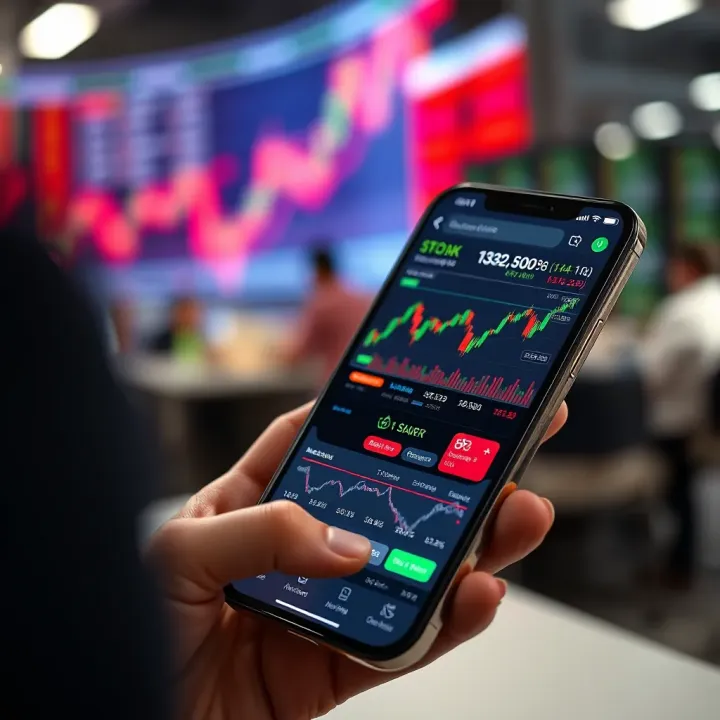
📱 Explore practical tips & features of trade apps for Pakistani investors. Learn how to safely trade stocks & forex on mobile platforms today! 💹
Based on 11 reviews