
Best Trading Apps for Pakistani Investors
Find the best trading app for Pakistani investors 🇵🇰. Compare features, security, costs, and usability to boost your trading success 📈 on mobile.
Edited By
Olivia Turner
Deriv trading refers to buying and selling contracts whose value depends on an underlying asset, such as stocks, commodities, currencies, or indices. Unlike directly owning the asset, traders speculate on price movements to make a profit. This setup allows Pakistani investors to engage in financial markets with relatively lower capital compared to purchasing the physical asset itself.
For example, a trader might buy a derivative based on the price movement of Pakistan Stock Exchange’s KSE-100 index. If the index moves in the predicted direction, the trader gains without ever buying the actual stocks.
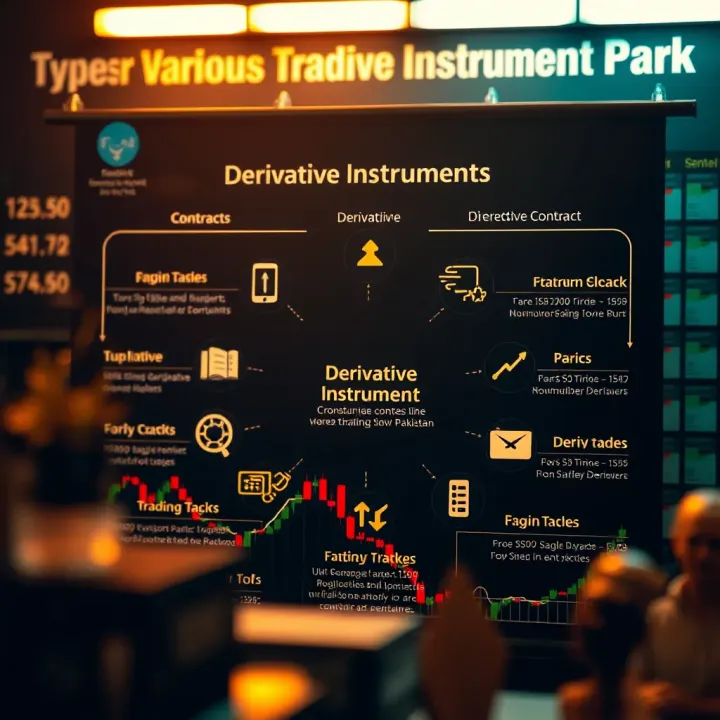
Futures: Agreements to buy or sell an asset at a set price on a future date. Widely used for commodities like wheat or oil.
Options: Contracts that give the buyer the right, but not the obligation, to buy or sell at a specific price within a timeframe.
Swaps: Mostly between institutions, these involve exchanging cash flows based on variables like interest rates or currency values.
In Pakistan, derivatives trading remains somewhat restricted within formal markets, but investors and traders are increasingly accessing international platforms and regulated OTC (Over-The-Counter) contracts. However, awareness around regulations and market risks is crucial for protecting investments.
Safety Tip: Always verify if a trading platform is approved by Pakistan’s Securities and Exchange Commission (SECP) and ensure compliance with local financial laws.
Traders should be mindful of risks, including market volatility and leverage effects, which can amplify gains but also losses. Having a clear risk management plan, such as setting stop-loss limits and diversifying portfolios, can make a significant difference.
Understanding how derivatives function in Pakistan’s financial context helps investors make informed choices. While opportunities exist, especially with growing digital access, knowledge of market mechanisms, regulatory frameworks, and practical trading strategies remain key to success.
This guide is designed to walk you through these essentials, helping you navigate deriv trading confidently and safely.
Understanding deriv trading is essential for investors who want to capitalise on price movements of assets without actually owning them. It allows traders to enter contracts that mirror the value of underlying assets, enabling profit through rises or falls in prices. This type of trading is gaining popularity in Pakistan as it offers flexibility and access to diverse markets beyond traditional stock investments.
Derivatives are financial contracts whose value depends on an underlying asset, such as stocks, commodities, or currencies. They play a vital role by providing tools for hedging risk or speculating on future price movements without needing to hold the actual asset. For example, a wheat farmer may use derivatives to lock in prices before harvest, managing the risk of price drops.
The key difference is that owning a derivative does not mean you possess the asset itself. Instead, you hold a contract based on its price. This distinction matters because derivatives often require less capital upfront, but they can involve leverage, increasing potential gains and losses. For Pakistani investors, this means trading derivatives can be cost-effective but risky if not managed carefully.
Stocks and equity indices represent shares in companies or baskets of companies. Traders can speculate on the rise or fall of individual Pakistani stocks like PTCL or a broader index such as the KSE-100. This allows participating in the market’s general direction without owning shares, useful if there are obstacles to direct stock ownership.
Commodities such as oil and gold are popular underlying assets in derivatives trading. Pakistan’s economy is sensitive to oil prices and gold's value, which often reflects inflation trends. Investors can hedge against price shocks or speculate on movements without buying physical commodities. For instance, a jeweller might use derivatives to secure gold prices beforehand.
Foreign exchange pairs involving PKR allow investors to trade combinations like USD/PKR or EUR/PKR. Since Pakistan’s rupee fluctuates daily due to economic factors, derivatives let traders react to currency volatility without physical forex trading. This is particularly relevant for importers, exporters, or anyone exposed to exchange rate risk.
Cryptocurrencies and their derivatives have drawn interest despite regulatory hesitation in Pakistan. Traders can speculate on Bitcoin or Ethereum price changes via derivative contracts without handling the crypto assets themselves. These can be highly volatile, so while opportunity exists, the risks are equally significant.
Trading derivatives means engaging with the price dynamics of assets indirectly, offering flexibility and faster access but demanding good risk management.
This section lays the foundation, so you can better understand how these contracts work and why they matter in Pakistan’s financial market.
Derivatives trading offers various instruments, each with unique features and uses. Understanding these helps Pakistani investors choose the right tools based on their risk tolerance, investment goals, and market familiarity. These instruments allow trading without owning the actual asset, giving flexibility and new opportunities to profit from price movements.
CFDs let traders speculate on price changes of an underlying asset without purchasing it. You agree to exchange the difference in asset value from when the contract opens to when it closes. This means you can profit if prices move either up or down, depending on your position. For instance, if you predict that the KSE-100 index will rise, you can open a long CFD position and gain when the index climbs.
In Pakistan, CFDs popular markets include stocks listed on the Pakistan Stock Exchange (PSX), major foreign equities, commodities like gold, and currency pairs involving PKR and USD. These markets attract traders due to their liquidity and volatility, presenting multiple short-term trading opportunities.
Options trading involves contracts giving the right—but not the obligation—to buy or sell an asset at a predetermined price within a specific time. "Calls" give you the right to buy, while "puts" give the right to sell. In Pakistan, options can be used to hedge portfolio risks or speculate on price directions with limited capital.
Futures contracts oblige the buyer or seller to transact the asset at a set price and date. Traders use futures for commodities like oil, wheat, or even currency pairs. For example, a Pakistani business expecting to pay for imported goods in USD months later might use futures to lock exchange rates, managing currency risk. Similarly, futures contracts on crude oil help traders speculate on international price changes.
Binary options simplify trading to a yes/no question: will a certain event happen by a deadline? For example, will gold price rise above a specific level within an hour? Traders get a fixed payout for correct predictions or lose their stake otherwise. This simplicity appeals to many beginners in Pakistan as it demands less technical analysis.
However, binary options carry high risks. The all-or-nothing payoff and often short expiration times mean losses can be rapid. Despite this, their straightforward nature attracts traders seeking quick results. Pakistani investors should be wary of unregulated platforms offering binary options, as these often lack transparency.
Choosing the right derivative instrument depends on understanding its structure, risk profile, and alignment with your trading goals. Each type suits different strategies and experience levels.
This knowledge helps investors operate confidently and responsibly, making the most of Pakistan’s growing access to global financial markets through online platforms.
Starting deriv trading in Pakistan requires a clear understanding of the platforms, account setup, and basic trading strategies. It helps investors avoid common pitfalls and manage risks smartly from day one. For example, choosing the right broker alone could save you from future hassles like delayed withdrawals or poor customer support.
The first and most critical step is selecting a trustworthy trading platform. Look for brokers regulated by international authorities and offering transparent fee structures. Read user reviews and check whether the platform supports local financial regulations. For Pakistani traders, availability of native language support and easy communication channels is a plus, so you don’t get stuck when needing help.
Local payment options like JazzCash and Easypaisa add another layer of convenience. These mobile wallets make deposits and withdrawals straightforward and quick, especially for those without international credit cards. For instance, if you want to fund your account with Rs 50,000, doing it via JazzCash is hassle-free and fast compared to bank transfers that may take days.
Account verification involves submitting your CNIC (Computerised National Identity Card) and completing the Know Your Customer (KYC) process. This step is crucial as it ensures compliance with Pakistani regulations and helps prevent fraud. A verified account typically unlocks higher withdrawal limits and access to more trading tools.
Funding your account in PKR is another practical consideration. Most platforms accept deposits in foreign currencies, but converting PKR to USD or Euros can incur additional costs. Using platforms that support PKR deposits directly can save money and simplify transactions. For example, some brokers let you deposit using Easypaisa in PKR, avoiding conversion charges.
Managing risk is essential, especially for newcomers. Using stop-loss orders can protect you from steep losses by automatically closing positions when prices hit a defined level. For instance, if you invest Rs 20,000 in a derivative and set a stop-loss at 10%, you limit your loss to Rs 2,000, preventing bigger damage if the market turns against you.
Starting with small investment amounts helps build confidence and understand market behaviour without risking too much capital. Many Pakistani traders begin with Rs 10,000 or Rs 20,000, learning how price changes affect their account balance. This cautious approach is wise since deriv trading involves leverage, which can magnify losses quickly.
Always take your time setting up with robust platforms and clear strategies before moving to larger trades. This approach safeguards your capital while building practical experience.
By following these practical steps, Pakistani investors can enter deriv trading with more confidence and control over their investments.
Deriv trading offers opportunities but also carries notable risks that every Pakistani investor should understand. Managing these risks is vital to protect your capital and avoid costly mistakes. This section covers key dangers including market volatility, leverage pitfalls, regulatory issues, and common scams.
Leverage allows traders to control larger positions with a small amount of capital, but it also magnifies losses. For example, using 10x leverage means a 10% adverse price movement could wipe out your invested amount. This makes risk management essential, especially in volatile markets where rapid price swings can trigger significant losses within minutes.
In Pakistan’s context, currency fluctuations involving the Pakistani Rupee (PKR) and international market shocks can cause unexpected price changes in deriv instruments. For instance, crude oil futures may react sharply to geopolitical tensions, impacting contracts linked to commodities. Traders must stay alert and avoid overleveraging, as this can quickly exhaust their funds.
Deriv trading currently operates in a grey area under Pakistani law. While the Securities and Exchange Commission of Pakistan (SECP) regulates securities markets, derivatives offered on foreign platforms lack formal oversight. This absence of clear regulation puts investors at risk if disputes arise.
The SECP advises caution when dealing with such platforms and emphasises adherence to anti-money laundering (AML) and Know Your Customer (KYC) policies for local brokers. Pakistani investors should prioritise platforms registered with SECP or those compliant with local regulations to reduce legal uncertainties and protect their investments.
Unregulated platforms, often based offshore, might not follow proper financial safeguards. This exposes traders to issues like delayed withdrawals, manipulation of prices, or sudden account freezes. Verifying regulatory status before committing funds helps avoid scams and financial losses.
Fraudulent schemes in deriv trading often involve fake brokers promising guaranteed returns or insider information. These scams lure inexperienced traders, causing them to lose their capital. Spotting red flags such as unsolicited calls, unrealistic profit claims, or pressure to invest quickly can prevent falling victim.
Protecting personal and financial information is also critical. Sharing CNIC details, bank account numbers, or passwords with unverified entities risks identity theft or unauthorised transactions. Always use secure platforms with encrypted communication and avoid sharing sensitive data over informal channels.
Staying updated on regulatory notices and practising due diligence before trading can save you from many common pitfalls in deriv trading. Your caution today protects your financial future tomorrow.
Success in deriv trading doesn't come just from understanding instruments. You need disciplined habits, ongoing learning, and a firm grasp on market dynamics to manage risks effectively. Pakistani investors especially benefit from a clear, practical approach that suits local conditions, including fluctuating currency values and regional regulations.
Practising risk-free trades before investing real money helps you build confidence without the pressure of losing hard-earned cash. Demo accounts simulate real market conditions, allowing you to try different strategies and understand how derivatives behave in response to market moves. For instance, a trader testing CFDs on the Pakistan Stock Exchange index can see firsthand how leverage affects gains and losses before putting serious money at stake.
Recommended educational platforms and courses are valuable for sharpening your skills. Many Pakistani traders turn to online portals and local financial courses that explain derivatives in Urdu or English, addressing Pakistan’s unique market environment. Resources offered by the Pakistan Stock Exchange (PSX), or specialised courses through financial institutions, can provide practical lessons and analysis tools. Engaging in webinars or workshops organised by experienced brokers also broadens your insight, ensuring that theory meets Pakistan’s trading realities.
Sources for Pakistan-specific market updates include business channels like Dawn Business and financial newsletters focussed on the PSX and rupee fluctuations. Staying updated on commodity prices (like oil and gold, which impact our economy) helps you predict derivatives’ price movements. For example, news about CPEC projects or agricultural exports can influence relevant commodity derivatives.
Global economic factors affecting derivatives are crucial to track because stock indices, forex pairs, and commodities respond quickly to international events. The US Federal Reserve’s interest rate decisions or geopolitical tensions often cause sudden price swings. Pakistani investors should keep an eye on these global trends alongside domestic developments to avoid surprises and make timely adjustments to trading strategies.
Setting clear trading plans improves decision-making by outlining entry and exit points, risk thresholds, and profit targets. A well-defined plan stops you from guesswork and reduces emotional responses during volatile markets. For example, deciding beforehand that you’ll cut losses at 2% on a single trade helps safeguard your funds even when the market quickly moves against you.
Avoiding impulsive decisions means resisting the urge to chase quick profits based on rumours or sudden price jumps. Emotional trading often leads to bigger losses. Successful traders wait for signals that align with their strategy rather than reacting to FOMO (fear of missing out). In Pakistan’s market, where information can come late or be unreliable, sticking to rules is especially important to avoid costly mistakes.
Consistent study, practice with demo accounts, and disciplined execution form the backbone of profitable deriv trading. This is even more true in the Pakistani context, where market conditions demand both careful planning and staying informed.
By following these best practices, you build a strong foundation for trading derivatives responsibly and effectively, reducing unwanted risks while improving your chances for consistent returns.
Find the best trading app for Pakistani investors 🇵🇰. Compare features, security, costs, and usability to boost your trading success 📈 on mobile.
Discover how auto trading works in Pakistan’s markets 📈, learn about algorithms, platforms, benefits, and risks before investing wisely 🤖💹.
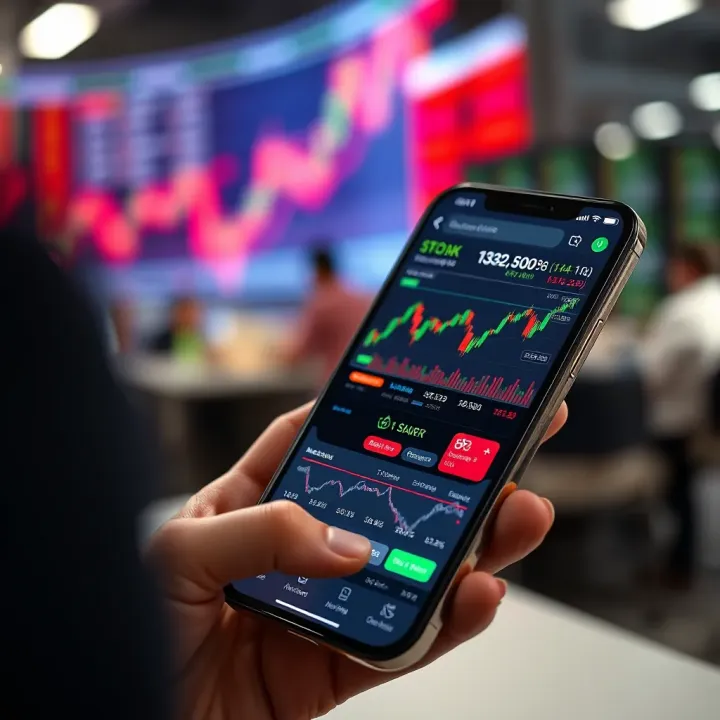
📱 Explore practical tips & features of trade apps for Pakistani investors. Learn how to safely trade stocks & forex on mobile platforms today! 💹
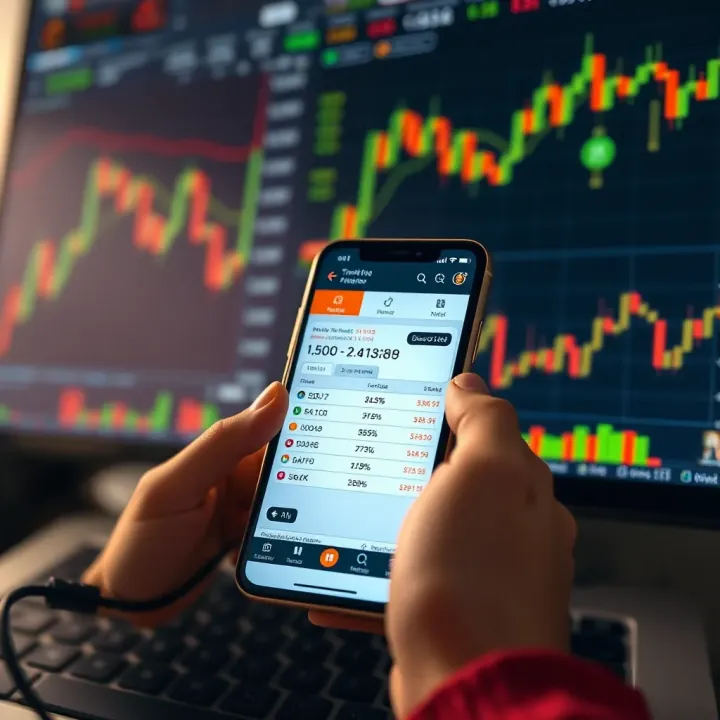
📱 Discover how trading apps work in Pakistan! Learn key features, top local & international picks, risks, and safe tips for smarter investing.
Based on 11 reviews