

Gold Price Tomorrow in Pakistan: What to Expect
Discover what shapes tomorrow's gold price in Pakistan 🏆 - from exchange rate changes to government policies and global market trends impacting your investment 💰.
Edited By
Oliver Davies
Gold has always been a favoured asset among Pakistani investors, serving both as a store of value and a hedge against inflation and currency fluctuations. However, understanding today's gold price targets requires more than just watching the Karachi Gold Market rates or Lahore’s gold bazaar. It demands a keen grasp of factors influencing gold prices locally and globally.
Gold price targets represent the projected levels that analysts and market experts expect the price of gold to reach within a specific timeframe. These targets help investors make strategic decisions whether to buy, hold, or sell their gold holdings.
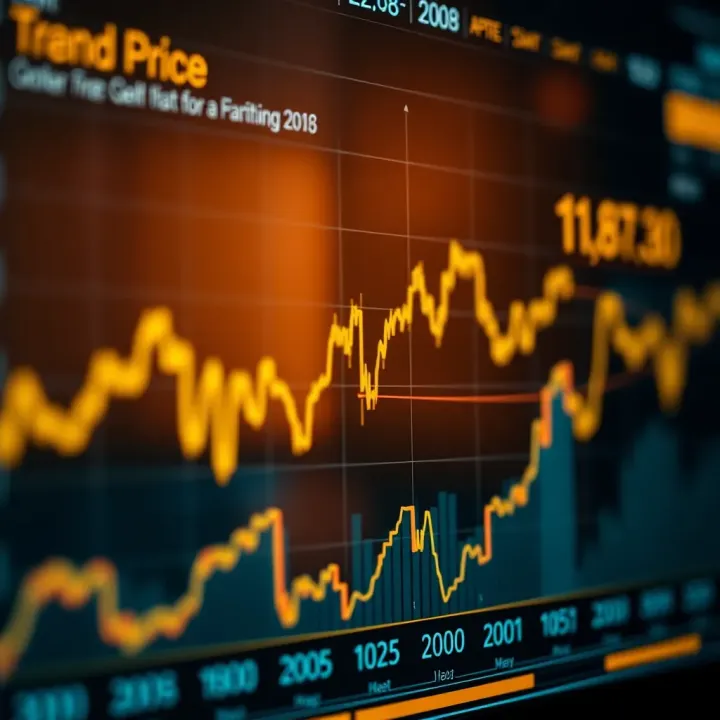
Several key factors shape these predictions:
Global Demand and Supply: Changes in jewellery demand from South Asia, especially during festivals and wedding seasons, affect prices. Likewise, the global supply from major producers like China, Australia, and Russia influences availability.
US Dollar Strength: Gold is priced in dollars globally. When the US dollar weakens, gold typically gets more expensive in PKR, benefiting domestic investors.
Interest Rates and Inflation: With the State Bank of Pakistan adjusting the policy rate to control inflation, investors watch closely. Rising inflation tends to boost gold prices as people seek inflation hedges.
Geopolitical Tensions: Regional conflicts or global uncertainties tend to push gold prices higher as it’s seen as a safe haven.
Knowing the target prices helps investors avoid common pitfalls like buying at the peak or selling during a dip, potentially losing valuable gains.
For example, if analysts forecast gold to reach Rs 130,000 per tola in the next quarter based on current inflation trends and global conditions, investors can plan accordingly rather than reacting to daily price swings.
Monitor Multiple Sources: Follow gold market updates from Pakistan Mercantile Exchange (PMEX), local gold dealers, and reputable international agencies.
Consider Seasonal Trends: Demand rises during Ramazan, Eid, and wedding seasons, affecting prices.
Incorporate Currency Movements: Keep an eye on PKR-USD exchange rates since a weakening rupee often pushes gold rates up.
Understanding these dynamics behind gold price targets equips Pakistani investors with actionable insights, allowing them to navigate the volatile market confidently and secure their investments effectively.
Understanding how gold price targets are decided is vital for any serious investor in Pakistan. These targets help in setting realistic expectations about potential price movements and assist in making timely buy or sell decisions. By grasping the factors behind these price estimates, investors can approach the gold market with greater confidence and avoid knee-jerk reactions to daily fluctuations.
Economic indicators and inflation play a significant role in shaping gold prices. When inflation rises, especially in Pakistan where double-digit rates have been common recently, gold often serves as a hedge. For example, during times when the Consumer Price Index (CPI) surges, many investors shift funds into gold to preserve purchasing power. Conversely, low inflation might reduce gold demand, pushing prices down.
The currency exchange rates, particularly PKR/USD, directly impact gold prices in Pakistan. Since gold is globally priced in US dollars, a weakening rupee usually pushes local gold prices higher. For instance, when the rupee depreciated against the dollar in early 2024, gold prices in Karachi jumped noticeably, reflecting this currency effect. Traders keep a close eye on Forex market trends and SBP policies to anticipate such movements.
Geopolitical tensions and their impact cannot be ignored. Any conflict or regional instability increases safe-haven demand for gold. Pakistan's proximity to areas with ongoing tensions, such as Afghanistan and central trade routes, means local gold investors watch these developments closely. A flare-up in conflicts often triggers short-term spikes in gold prices as risk-averse investors seek shelter.
Finally, the demand-supply balance in gold markets influences prices strongly. Factors like jewellery demand during Eid or wedding seasons increase buying, while mine production rates and central bank gold reserves affect supply. For example, Pakistani jewellers report higher gold sales just before Eid-ul-Fitr, pushing prices briefly upward. Global mining disruptions or large sales by central banks also shift balance, impacting prices worldwide and locally.
Market analysts use various analytical methods for price projection. Technical analysis, including identifying support and resistance levels on price charts, helps forecast likely price ceilings or floors. Meanwhile, fundamental analysis reviews economic data, geopolitical events, and monetary policies to predict trends. For instance, financial experts might combine SBP inflation reports with US Federal Reserve decisions to estimate gold's next move.
Sources for gold target recommendations include financial institutions, commodity exchanges, and specialised research firms. Pakistani banks such as HBL or MCB often share gold price outlooks based on their treasury insights. Commodity platforms like the Pakistan Mercantile Exchange (PMEX) provide daily updates and price targets influencing trader decisions.
However, there are limitations and reliability concerns associated with these forecasts. Price targets are educated guesses, not guarantees. Sudden geopolitical shocks, unexpected policy shifts, or rapid currency fluctuations can quickly invalidate predictions. Investors should use these forecasts as tools rather than absolute guides, combining them with their analysis and risk tolerance.
Understanding these factors and the role of analysts helps Pakistani investors read gold price targets wisely and make informed decisions rather than chasing rumours or reacting emotionally.
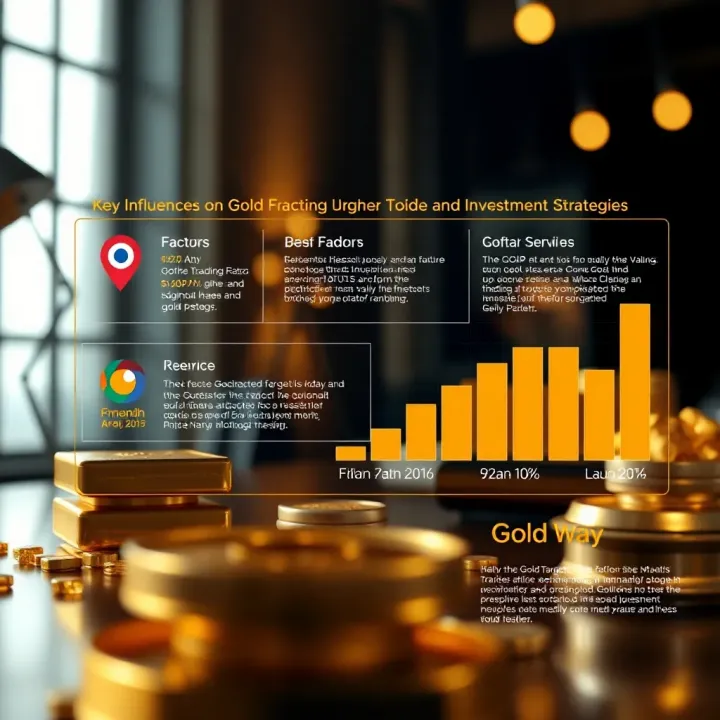
Keeping track of current trends is key to understanding how gold price targets fluctuate in Pakistan. These trends reflect both local economic shifts and global movements, directly shaping investors' opportunities and risks. For those seriously watching the gold market, knowing these trends helps make informed decisions, whether trading daily or planning long-term.
Inflation rates and the State Bank of Pakistan policies greatly impact gold prices. When inflation rises, the purchasing power of the Pakistani Rupee declines, pushing people toward gold as a hedge. For instance, during periods when inflation hits double digits, gold demand often surges because savers try to protect their wealth. The State Bank’s interest rate adjustments also play a role; an increase in SBP policy rates tends to attract investment towards fixed-income instruments, temporarily lowering gold appeal. Conversely, rate cuts typically support higher gold prices.
Rupee depreciation and remittance flows are another big factor. When the rupee weakens against the US dollar, gold priced in dollars becomes more expensive locally, often pushing the domestic gold price upward. Remittance inflows from overseas Pakistanis add a cushion to this effect. For example, during the Eid season, remittances usually increase as families receive extra funds, enabling more gold purchases. This demand can put upward pressure on prices, especially when the rupee shows signs of steady depreciation over months.
Demand during festivals like Eid and wedding seasons creates predictable spikes in gold price movement. Traditionally, many families buy gold jewellery and gifts during these times, increasing consumption significantly. The wedding season in Pakistan, stretching from late autumn to early spring, also boosts gold sales. Traders often anticipate these cycles, sometimes setting price targets higher to reflect seasonal demand. Awareness of these periods can help investors time their buying or selling more effectively.
US Federal Reserve interest rates movement often sets the tone for global gold prices. When the Federal Reserve raises rates, it usually strengthens the US dollar and increases bond yields, reducing gold's attractiveness as a non-yielding asset. For Pakistani investors, this translates into more volatile gold prices locally as dollar fluctuations ripple through. On the other hand, Fed rate cuts or pauses tend to lift gold prices worldwide, benefiting local markets.
Changes in international gold reserves held by central banks also affect market sentiment. When major players like China or Russia add to their gold holdings, it signals confidence in gold as a safe asset, which can boost prices globally. Conversely, if large-scale sales occur, possibly due to liquidity needs, it may put downward pressure on prices. Monitoring these moves through global financial reports gives Pakistani investors clues on upcoming trends.
Impact of major crises and conflicts on safe-haven demand shows clearly in gold price movements. Global tensions, such as regional conflicts or economic crises, increase investor anxiety and drive money toward gold. For instance, recent geopolitical tensions in the Middle East or sudden stock market crashes have led to noticeable gold price rallies. Pakistani investors who understand this pattern often use such times to hold or increase gold as a risk-averse strategy.
Observing these local and global trends helps investors gauge whether gold price targets are likely to move up or down, assisting in better timing and risk management.
Local inflation and SBP policies shape gold’s immediate viability as an investment
Currency shifts and remittances create unique Pakistani market conditions
Festivals and weddings cause regular demand spikes
US Fed decisions influence global currency and yield dynamics
Central bank gold reserve moves set long-term sentiment
Conflicts and crises sharply raise safe-haven interest
Understanding these factors makes it easier for you to decode daily gold price targets and act confidently in Pakistan’s complex market.
Investors in Pakistan can benefit greatly from understanding and using gold price targets as part of their investment plans. Gold targets offer a snapshot of expected price movements, helping you plan when to buy or sell. Since gold prices fluctuate due to local and global factors, relying on these targets allows Pakistani investors to make informed decisions instead of guessing blindly. For example, if the daily target suggests gold will hit Rs 120,000 per tola soon, investors might hold off buying at Rs 118,000 and wait for a better entry point.
Resistance and support levels are key concepts in technical analysis that help investors identify price points where gold might struggle to rise above or fall below. A resistance level acts like a ceiling—when gold price approaches it, selling pressure often mounts, preventing further gains. Support works the opposite way, acting as a floor that stops prices from falling too much. For instance, if gold repeatedly drops to Rs 115,000 per tola but doesn’t fall lower, that’s a support level where buyers step in.
Knowing these levels helps investors manage risk. If the price nears support, it might be a buy opportunity. If it approaches resistance, selling or cautious holding might be wiser. This pattern plays out daily, and paying attention to these targets keeps you in tune with market breathing.
Short-term gold targets reflect price expectations over days or weeks, influenced mostly by immediate events like local demand surges or currency moves. Long-term targets look at months or years ahead, factoring in broader trends like inflation cycles or geopolitical shifts. A trader focusing on quick profits might watch short-term levels closely, while a saver planning for retirement would care more about long-term expectations.
For example, during Eid, short-term targets may rise due to increased jewellery buying. But on the long haul, if the rupee weakens gradually, long-term targets might predict steadily higher gold prices. Recognising which target suits your horizon helps align your strategy with your financial goals.
Gold targets provide cues about market sentiment. When prices break above resistance levels, it suggests strong buying interest and could signal a good time to buy or accumulate. Conversely, dropping below support levels might warn of falling prices, nudging investors to consider selling or holding back.
Holding comes into play when prices hover between support and resistance with no clear trend. In such cases, patience is key until the market confirms a direction. Properly reading these signals can prevent knee-jerk actions that cause losses.
Interpreting daily gold targets like a pro means understanding price zones where buyers and sellers clash and using these insights to time your moves better.
Pakistan’s gold market includes many dealers, but not all offer genuine products. Always choose dealers with a good reputation, preferably those registered with the Pakistan Mercantile Exchange or well-known jewellers in big cities like Karachi, Lahore, or Islamabad. Verify gold purity using recognised testing methods such as karat marks, hallmarks, or electronic detectors.
As an example, buying 24-karat gold from a verified dealer ensures you get the true value, avoiding losses that come from adulterated items commonly found in unregulated mohallas.
Gold investment isn’t limited to physical pieces. Jewellery is popular in Pakistan but includes making charges and design premiums, which can reduce resale value. Bullion coins and bars come closer to pure gold prices but require secure storage.
Newer options like gold Exchange-Traded Funds (ETFs) provide exposure without handling physical gold and avoid making charges. For a Karachi-based investor wary of storage risks during loadshedding and security concerns, small ETF investments via local brokers can be practical.
Gold prices swing due to many forces—currency changes, political events, or international tensions. Instead of trying to predict exact tops or bottoms, diversify your gold holdings over time and sizes. This strategy, called rupee-cost averaging, reduces the impact of price spikes.
For instance, buying small amounts monthly during different PKR/USD exchange rates helps smooth entry costs. Also, don’t rely solely on gold targets; use them together with your assessment of economic news.
By understanding these elements, you can turn gold into a more stable part of your investment portfolio, even during uncertain times in Pakistan's economy.
Tracking gold price targets daily is key for investors who want to make informed decisions in Pakistan’s fluctuating market. Timely and accurate price information helps avoid blind spots and prevents losses due to sudden shifts. Whether you’re thinking of buying, selling, or holding gold, knowing where to find reliable data and how to interpret it makes all the difference.
Official market websites and financial news portals provide some of the most credible and up-to-date gold price data. Websites like those of the Pakistan Mercantile Exchange or financial sections of major Pakistan newspapers publish gold rates reflecting the latest market conditions. They often include detailed analyses and historical charts that show price trends over time. For example, during Eid season, these portals highlight price spikes due to increased demand which can inform your timing.
Mobile apps and platforms like Pakistan Mercantile Exchange have made instant access to gold prices much easier. Apps developed by financial institutions or the exchange itself allow traders to get live price updates on their phones, track fluctuations minute by minute, and even set alerts for target prices. These apps often include interactive charts and indicators to help users understand market movement. Using such platforms means you don’t have to wait for daily newspapers or TV bulletins to catch price changes.
Banks and jewellers in Pakistan also play a significant role by providing daily gold updates to their customers. Major banks such as HBL or Meezan Bank often display current gold rates on their websites and branches, which are adjusted for local taxes and making charges. Reputed jewellers in Karachi, Lahore, and Islamabad update their prices around the clock, reflecting the cost of 24-carat gold and craftsmanship. Visiting these stores or checking their websites gives you a sense of the actual buying price including extra charges beyond the base gold value.
Understanding price charts and candlestick patterns is essential for serious investors. These charts display price movements over hours, days, or weeks, showing trends through shapes like candles that indicate opening and closing prices, highs and lows. For Pakistani investors, observing patterns during economic announcements or political events can reveal if prices are likely to rise or correct soon.
Using alerts for timely buying or selling helps you act fast without constantly watching the market. Many mobile apps let you set notifications for price thresholds. For example, if gold hits Rs 120,000 per tola, you receive an alert and can decide if it’s the right moment to sell. This feature is especially helpful during unpredictable times when gold prices can jump or fall sharply within hours.
Staying alert to price changes with real-time updates equips you to manage risks better and seize opportunities on your own terms.
Awareness of local taxes and duties affecting net price is crucial before making a transaction. Pakistan applies sales tax on gold jewellery and sometimes levies import duties, which impact the final cost you pay. For instance, a rupee drop against the dollar may raise import costs on bullion adding to retail prices. Knowing these factors helps keep your calculations accurate and avoid surprises when comparing quoted gold rates to actual purchase price.
Getting gold pricing right means combining reliable sources with sound understanding of market signals and local pricing factors. That knowledge gives you a competitive edge in a market as dynamic as Pakistan’s gold trade.
Discover what shapes tomorrow's gold price in Pakistan 🏆 - from exchange rate changes to government policies and global market trends impacting your investment 💰.

📈 Curious if gold prices will rise soon? Explore economic trends, currency shifts, and geopolitical factors shaping gold rates in Pakistan for smart investing decisions.
💰 Explore today's gold forecast in Pakistan and beyond! Understand economic, geopolitical factors and market trends shaping gold prices for smart investing.

Stay updated on tomorrow's gold rate in Pakistan 📈. Learn what influences prices, how to track changes, and tips for smart investing in gold. 💰
Based on 6 reviews