
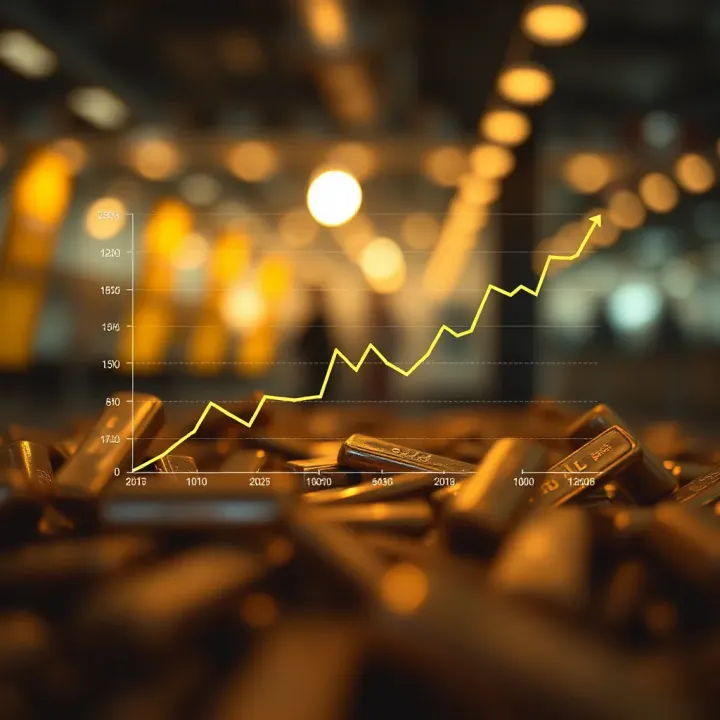
Gold Price Tomorrow in Pakistan: What to Expect
Discover what shapes tomorrow's gold price in Pakistan 🏆 - from exchange rate changes to government policies and global market trends impacting your investment 💰.
Edited By
Henry Collins
Gold prices in Pakistan often grab headlines, especially with economic shifts happening so rapidly. Tomorrow’s outlook is shaped by a blend of local factors and international movements, so understanding these will give you the edge whether you're a trader, investor, or analyst.
Pakistan’s gold market doesn’t operate in isolation. The value of the Pakistani rupee against the US dollar mostly steers local gold prices since gold imports are dollar-denominated. As the rupee weakens, gold becomes costlier in Rupees, and when it strengthens, prices tend to ease. Take the rupee’s recent performance; persistent depreciation often drives up gold demand as a safeguard against inflation.
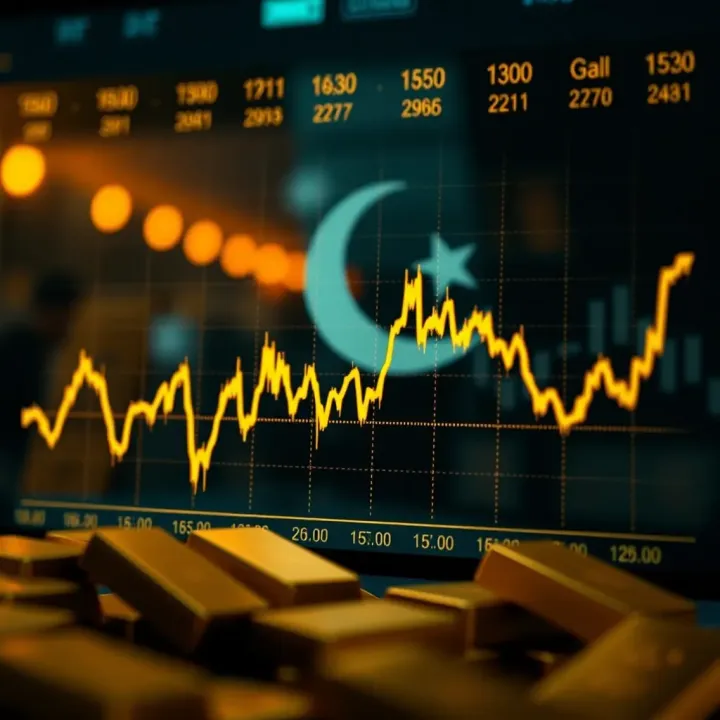
On the global front, gold reacts to shifts in international markets and geopolitical tensions. For example, if tensions rise in the Middle East or US bond yields tumble, investors flock to gold as a safe haven, pushing prices up. Such volatility overseas usually affects Pakistan’s market by tomorrow itself.
Economic indicators are also key players. Inflation data, interest rate announcements, and commodity price trends influence gold's appeal. The State Bank of Pakistan’s policy rate, for instance, impacts real returns on non-gold assets—if interest rates rise, gold’s allure dims slightly as investors seek better yields. Conversely, inflation spikes often drive gold buying for value retention.
Local market trends, like jewellery demand ahead of festivals or remittances increasing during Eid, can shift prices too. These demand surges, coupled with supply constraints, cause short-term price fluctuations. Traders often watch these patterns closely to anticipate moves.
For tomorrow’s gold price, keep an eye on the US dollar index, Pakistan’s currency performance today, and any breaking news regarding geopolitical affairs or economic announcements.
In short, tomorrow’s gold price in Pakistan depends on a mix of currency strength, global market mood, and domestic demand. Monitoring these closely helps you make informed decisions rather than guessing blindly.
Understanding the factors that influence gold prices is essential for anyone involved in trading, investing, or analysing the Pakistani gold market. Gold prices don't move in isolation; they respond to a complex set of global and domestic forces. By grasping these elements, you can anticipate price movements better and make informed decisions.
Inflation rates and monetary policies play a major role in shaping gold prices. When inflation climbs, people often turn to gold as a hedge against rising living costs. For example, if Pakistan’s inflation rises above the SBP’s target, investors might rush to gold, pushing prices higher. Similarly, central banks like the Federal Reserve influence gold via interest rates. A dovish stance (lowering rates) tends to boost gold demand because it reduces the returns on bonds and other fixed-income assets.
US Dollar performance and its influence directly affect gold prices worldwide, including in Pakistan. Since gold is priced in US dollars, a stronger dollar usually makes gold more expensive for holders of other currencies, lowering demand. Conversely, when the dollar weakens, gold becomes cheaper and demand often rises. For Pakistan, shifts in the dollar-rupee exchange rate can amplify this effect, making dollar trends critical for traders to watch.
Geopolitical tensions and market uncertainty also sway gold prices. Times of conflict or political instability usually trigger a flight to safety, with gold being the preferred asset. For instance, if tensions flare near Pakistan’s borders or there’s sudden unrest affecting regional markets, investors tend to buy gold as a secure store of value. This increases demand, especially in local markets where risk perceptions rise quickly.
Currency exchange rate movements deeply impact local gold prices. Since Pakistan imports much of its gold, a weakening Pakistani Rupee makes gold costlier domestically even if global prices stay steady. For example, a sudden 5% depreciation of the rupee due to foreign exchange pressures can push local gold rates up immediately, affecting both buyers and investors.
Local demand and jewellery market trends shape gold prices through consumer behaviour. Festivals like Eid and wedding seasons in Pakistan typically see heightened demand for gold jewellery, which pushes prices higher temporarily. Conversely, post-festival corrections or reduced consumer spending during economic slowdowns can soften demand, leading to price dips.
Government regulations and import duties add another layer of influence. Changes in customs duties or taxes on gold imports can increase costs for local traders, who may pass these onto consumers. For example, an increase in import duty by even 1-2% can raise local gold prices noticeably, especially when combined with other factors like currency depreciation.
Being aware of both global and Pakistani-specific influences helps you navigate gold price movements effectively, spotting opportunities and risks ahead of time.
Understanding recent trends in Pakistan’s gold market is essential for readers who want to gauge tomorrow’s price movements with precision. Tracking weekly price fluctuations and how regional events affect local rates helps investors anticipate shifts and plan their investments more cautiously. This section breaks down real, recent changes rather than relying on old or vague data, giving a sharper picture of what influences gold prices today.
Last week witnessed noticeable variation in Pakistan’s gold rates, influenced heavily by both international cues and local market activities. For instance, gold prices in Karachi increased by around Rs 1,200 per tola over five days, mainly due to a weakening rupee against the US dollar. This depreciation made imports costlier, nudging local prices upward.
Meanwhile, demand remained strong among jewellers preparing for upcoming weddings and festivals, fueling buying activity. However, slight profit-taking by traders midweek caused a temporary dip before prices regained momentum. This kind of back-and-forth movement shows how sensitive the local gold market is to short-term factors like currency swings and consumer behaviour.
To put this into perspective, a trader buying 10 tolas at the week’s lowest price could have lost Rs 12,000 if they postponed the purchase until the highest price point. This example underscores the value of closely watching recent trends to time purchases accurately.
Regional events play a key role in shaping Pakistan’s gold market beyond daily price shifts. Political uncertainty in neighbouring countries, such as the recent tensions along the Afghanistan-Pakistan border, often triggers flight-to-safety buying, pushing gold prices higher. Investors tend to move funds into gold when geopolitical risk increases, boosting demand and local rates.
Additionally, diplomatic developments or trade agreements within the South Asian Association for Regional Cooperation (SAARC) influence gold indirectly by affecting the rupee’s strength. For example, easing trade tensions with India can strengthen the rupee and temper gold prices, while escalated tensions tend to weaken it and inflate rates.
Economic disruptions like rising oil prices in the region also affect inflation expectations locally, leading investors to turn to gold as an inflation hedge. This ripple effect shows how interconnected regional developments are with Pakistan’s gold pricing.
Tracking these recent trends and regional influences allows investors and traders in Pakistan to navigate the gold market with better foresight. Understanding how events play out week by week helps reduce risks and seize opportunities promptly.
Gold prices fluctuate weekly based on currency and demand shifts
Regional political and economic events can move local gold rates significantly
Watching local trends along with regional news provides a fuller market picture
By keeping an eye on these factors, those invested or interested in Pakistan’s gold market can make more informed decisions, whether buying, selling or holding their positions.
Experts rely on a mix of market knowledge, data analysis, and emerging trends to predict gold prices for the next day. Their forecasts matter because gold remains a popular investment and a hedge against inflation for many Pakistanis, especially amid ongoing currency fluctuations and economic uncertainty. Understanding expert predictions helps traders and investors make smarter decisions to avoid losses or seize opportunities.
Market analysts track several key indicators to assess where gold prices might head. For example, if inflation data from the United States comes out higher than expected, analysts often anticipate gold prices to rise because investors seek safe havens. In Pakistan, fluctuating US dollar to PKR exchange rates also shape sentiment — a weakening rupee usually pushes local gold prices upward.
Besides hard data, analysts gauge market sentiment by observing trading volumes on Pakistan’s local gold markets and watching regional events, such as geopolitical tensions in the Middle East or trade policy developments. Sentiment can swing prices quickly: if traders sense instability, they might rush to buy gold, driving prices up well before any official news arrives.
Analyst insights go beyond numbers; they capture the mood of the market, which can tip prices in the short term.
Technical analysis looks at past price movements and patterns to predict immediate future trends. Experts use charts and tools like moving averages, support and resistance levels, and Relative Strength Index (RSI) to spot trading opportunities in Pakistan’s gold market.
For instance, if gold prices repeatedly bounce back at a certain value—say Rs 110,000 per tola—that level is seen as strong support. Traders expect prices to hold there or rebound, which guides buy or sell decisions for the next day. Likewise, if prices break above a resistance level, it signals potential upward momentum.
Technical analysis is particularly useful during price volatility triggered by sudden news or economic data releases. It helps investors act fast and reduces guesswork by relying on observable trends rather than just forecasts.
By combining analyst insights and technical signals, Pakistani investors gain a fuller picture of tomorrow’s gold price potential. This dual approach balances the ‘what if’ scenarios with factual trend data, improving the odds of making well-informed trades.
Together, these expert methods help Pakistani traders, investors, and finance professionals stay ahead in a market where conditions can change quickly due to both local and global forces.
Knowing how to act on gold price forecasts can make a significant difference for buyers and investors in Pakistan. This section offers clear guidance on when to buy and which options to consider during price fluctuations. Because gold prices can be volatile, having practical strategies protects your investment and helps you avoid losses.
Timing your purchase based on the latest price outlook can save you thousands of rupees. For instance, if analysts predict a dip in gold prices tomorrow due to a stronger rupee or calmer geopolitical conditions, waiting to buy just a day later might be wiser. On the other hand, if the forecast suggests prices will spike due to pending import duties or inflation, securing your gold today prevents paying more later.
Local demand patterns during festive seasons like Eid can also influence price jumps. Buyers who need jewellery may benefit from monitoring price trends closely and purchasing before the rush starts. Always check updated market reports and keep an eye on State Bank of Pakistan announcements or major currency movements, as these factors quickly affect gold's local price.
When gold prices start swinging widely, looking beyond pure gold bullion can be a smart move. Pakistan’s market offers options like gold certificates issued by banks, which allow investment without the hassle of physical storage. These certificates track gold prices closely but come with lower transaction costs.
Moreover, jewellers in cities such as Karachi or Lahore often provide options to buy gold alloy pieces with lower premiums than pure gold bars. Investors could also explore digital wallets like JazzCash or Easypaisa that have started integrating gold investments, providing convenient access without the usual risks of keeping physical gold at home.
Remember, diversifying your investment approach during uncertain times helps manage risk better than putting all your funds into physical gold.
Practical advice matters because it combines market knowledge with real-world choices. In Pakistan’s fluctuating economy, a well-timed purchase or considering alternative gold instruments can protect your wealth effectively. Staying informed and flexible is key for both buyers looking for jewellery and investors aiming for asset growth.
Discover what shapes tomorrow's gold price in Pakistan 🏆 - from exchange rate changes to government policies and global market trends impacting your investment 💰.
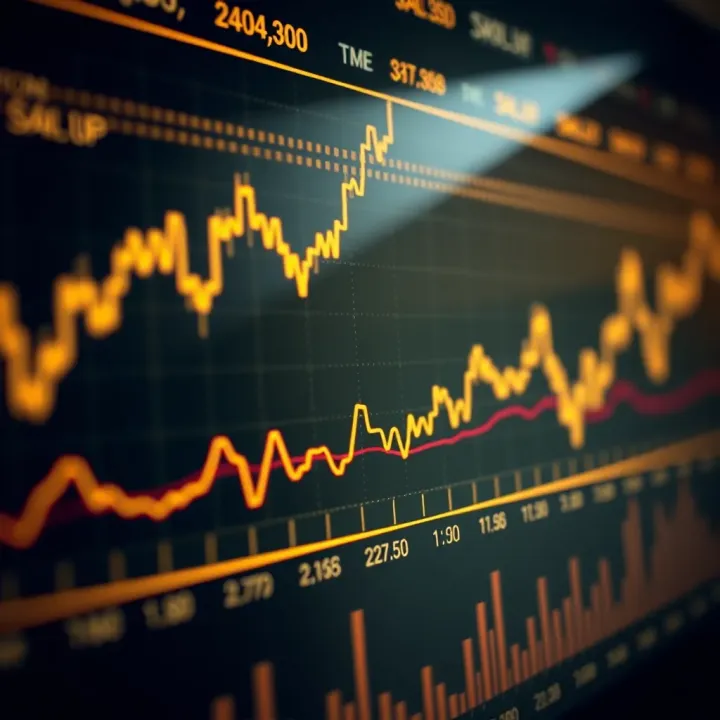
📈 Discover the XAU/USD forecast for tomorrow with insights on economic data, geopolitical risks, and market trends influencing gold prices in Pakistan.

📈 Explore the gold price forecast in Pakistan with detailed trends, economic impacts, government policies, and market insights for investors and consumers alike.
📈 Get the latest Sol (Solana) price forecast for today, learn key factors shaping its trends, and discover practical tips for traders and investors across Pakistan.
Based on 11 reviews