

USD Forecast in Pakistan: Key Trends and Economic Impact
📉 Explore what drives the USD to PKR exchange, key economic trends, and how this affects markets, consumers, and policies in Pakistan's economy.
Edited By
Michael Scott
The dollar rate in Pakistan remains a vital indicator for traders, investors, and policy analysts alike. Understanding its movement requires a close look at both domestic and international factors affecting the exchange rate.
Several key influencers shape the Rs-USD price. Behind them lie government monetary policies such as interest rate adjustments by the State Bank of Pakistan (SBP), which directly impact foreign exchange availability and demand. For example, when SBP raises the policy rate, it often stabilises the rupee by attracting foreign investment, though this might slow economic growth temporarily.
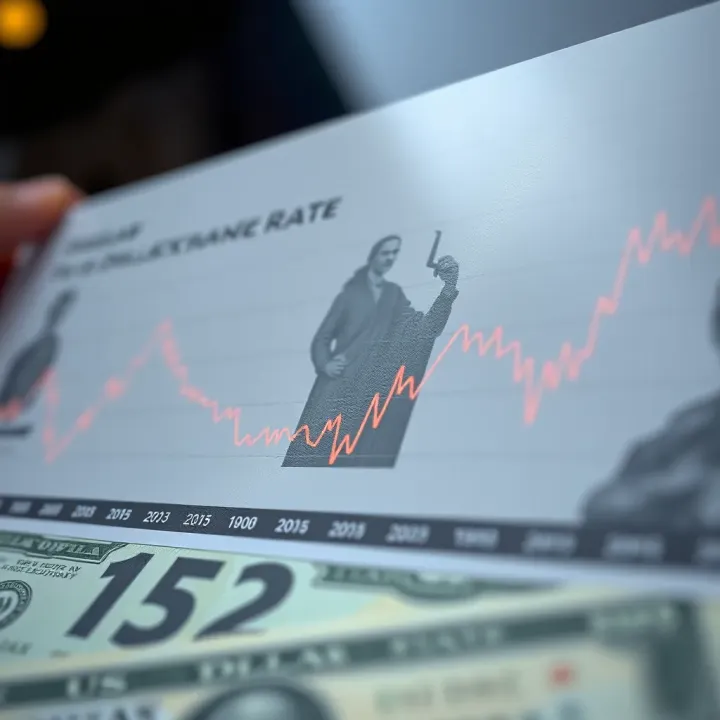
External pressures play a significant role too. Import bills, remittances, and geopolitical events affect supply-demand dynamics. Pakistan’s heavy reliance on imports, especially in energy and machinery sectors, often pushes the dollar higher when crudes prices surge globally or the trade deficit widens. Conversely, strong remittance inflows from overseas Pakistanis can cushion the rupee, adding demand on the foreign currency side.
Recent trends show Pakistan grappling with currency volatility amid fluctuating global oil prices and uncertain financial aid from international lenders like the IMF. Market sentiment further amplifies this effect, where speculative activities can accelerate rupee depreciation or recovery.
Traders and analysts should monitor multiple economic indicators—SBP reports, import-export data, remittance figures, and fiscal policy announcements—to predict dollar rate movement effectively.
Fluctuations also depend on seasonal patterns, such as increased import demand before Eid or during the sowing season for agriculture inputs. These periodic shifts provide additional layers of complexity in forecasting.
In essence, predicting the dollar rate in Pakistan demands a clear picture of complex, evolving economic variables. A balanced approach involving both macroeconomic fundamentals and market psychology offers the best insight into future trends. Armed with this knowledge, finance professionals and investors can make informed decisions that align with their risk tolerance and timing preferences.
Understanding the dollar rate in Pakistan is central to grasping the country's economic health. It affects everything from trade balances to inflation rates, influencing business decisions and government policies alike. This section sets the stage by explaining recent dollar-rupee trends, the historical backdrop, and why these matter deeply for Pakistan’s economy.
Recent trends in the dollar-rupee exchange rate show a steady depreciation of the Pakistani rupee versus the US dollar over the last few years. For instance, rates that hovered around Rs 100 per dollar a few years ago have climbed above Rs 280 in early 2024. Such shifts impact not only import costs but also foreign debt servicing and remittance values. Traders and analysts keenly watch these trends for signs of volatility or relative stability, which guides forex trading and investment strategies.
How past events have shaped current levels involves factors like economic crises, political instability, and interventions by the State Bank of Pakistan (SBP). For example, the rupee faced sharp drops during periods of political uncertainty in 2018 and again amidst global shocks like the COVID-19 pandemic. These events depleted forex reserves and reduced investor confidence, pushing the dollar rate higher. Understanding this history helps explain why Pakistan’s currency remains sensitive to both domestic policy moves and international developments.
Impact on imports and exports is direct and significant. A higher dollar rate makes imported goods more expensive, affecting sectors reliant on foreign raw materials or machinery. Conversely, it can make Pakistani exports more competitive as they become cheaper for foreign buyers. For instance, textile exporters often benefit when the rupee weakens, boosting earnings in dollar terms. However, importers, especially those dealing with essential goods like petroleum or machinery, face higher costs that can trickle down the supply chain.
Effect on inflation and cost of living is another critical concern. Since many consumer goods and fuel are priced in dollars or linked to imported inputs, any rise in the dollar rate translates swiftly into higher prices domestically. This, in turn, raises the general inflation rate, squeezing household budgets, especially for middle and lower-income families. Policymakers closely track dollar fluctuations as they directly connect to inflation targeting and social welfare measures.
Monitoring the dollar rate isn’t merely about currency values; it reflects the pulse of Pakistan’s economic wellbeing, affecting businesses, consumers, and policy decisions alike.
This overview forms the basis for analysing the broader factors driving exchange rate changes and their implications across various sectors, which we will explore in following sections.
Understanding the key factors influencing the dollar rate in Pakistan helps traders, analysts, and investors make informed decisions. The exchange rate does not move on its own; several elements inside and outside the country constantly push or pull the rupee's value against the US dollar. Recognising these drivers is crucial for anticipating currency trends and assessing economic health.
Inflation, interest rates, and GDP growth play a direct role in shaping the dollar-rupee exchange rate. Higher inflation in Pakistan tends to weaken the rupee since the purchasing power erodes and imports become costlier. Conversely, rising interest rates can attract foreign capital to Pakistani investments, providing support to the rupee. However, if rates rise too sharply, they might hamper economic growth, which is often measured by GDP. For instance, Pakistan's GDP growth slowing down amid persistent inflation usually signals pressure on the currency.
The State Bank of Pakistan's (SBP) monetary policy is another major influence. Through setting policy rates and intervening in the foreign exchange market, SBP aims to balance inflation control with economic growth. When SBP raises interest rates, the rupee might gain some ground as investments offer better returns. On the other hand, loosening monetary policy could lead to rupee depreciation. Moreover, SBP's active selling or buying of dollars affects short-term volatility. Practical examples include SBP's interventions during 2023 to stabilise excessive exchange rate swings amid fiscal strains.
Political developments heavily impact investor confidence and exchange rate stability. Consistency in policies, especially on taxation, trade, and foreign debt, encourages foreign investors and helps maintain a steady rupee. Political turmoil, delays in reforms, or sudden changes in government can unsettle markets leading to rupee depreciation. For instance, uncertain election periods often coincide with higher exchange rate volatility.
Foreign aid and International Monetary Fund (IMF) programmes also influence the dollar rate. When Pakistan secures IMF support or development aid, it usually boosts forex reserves and reassures markets about the country's ability to meet external obligations. This can temporarily strengthen the rupee. However, delays or disagreements with IMF conditions often spark fears of economic instability, leading to rupee weakness.
Global market trends like the strength of the US dollar, crude oil prices, and major economic events affect Pakistan's currency. A globally strong dollar often pushes emerging market currencies, including the rupee, down. For example, when US Federal Reserve hikes interest rates, dollars flow back to the US, reducing demand for rupees.

Remittances from overseas Pakistanis and foreign direct investment (FDI) bring valuable foreign currency. Remittances reached a record high in FY 2023, supporting the rupee by adding much-needed dollars to the market. Similarly, steady FDI inflows signal economic promise and strengthen the currency.
Finally, geopolitical events and trade relations shape exchange rate expectations. Tensions with neighbours or disruptions in trade routes can deter investment and reduce foreign exchange inflows. Alternatively, improved trade deals may boost economic activity and currency stability. For instance, eased tensions and agreements under frameworks like the China-Pakistan Economic Corridor (CPEC) can positively influence the rupee's strength.
Exchange rates respond not just to numbers but to perceptions shaped by politics, global events, and economic policies—understanding these layers is key to anticipating currency movements.
In sum, monitoring these key factors provides a comprehensive view of what drives dollar fluctuations against the Pakistani rupee. This insight helps professionals prepare for potential shifts, manage risks, and exploit opportunities effectively.
Understanding market sentiment and speculation is key to grasping the short-term movements in Pakistan's dollar-rupee exchange rate. Market sentiment reflects traders' and investors' general attitude towards the currency, often shaped by economic data, political developments, or global events. Speculative activities, meanwhile, can cause sudden shifts in rates independent of fundamental factors, amplifying volatility. For finance professionals and traders, recognising these influences helps predict fluctuations and make timely decisions.
The State Bank of Pakistan (SBP) plays a vital role in managing currency stability by actively using foreign exchange reserves to smooth out sharp fluctuations. When the rupee faces downward pressure, the SBP may sell dollars from its reserves to increase supply and lower the rate impact temporarily. This approach helps avoid panic selling and gives the government breathing space to implement corrective measures. For example, in periods of high demand for dollars during import surges or political uncertainty, SBP interventions help maintain order in the market.
Forex reserves act as a confidence booster for investors and traders, signalling Pakistan's ability to meet external obligations and support the rupee. A healthy reserve level discourages speculative attacks on the currency, reducing abrupt depreciation risks. Conversely, dipping reserves often shake market faith, triggering selling pressure and further weakening the rupee. As of recent reports, SBP’s reserves hovering around $16–18 billion help moderate exchange rate swings despite external pressures.
Speculation has a notable impact on short-term exchange rate movements in Pakistan. When traders anticipate future changes — say, due to expected policy shifts or inflation data — speculative buying or selling of dollars can move rates sharply for hours or days. These moves might not always correlate directly with economic fundamentals but respond more to expectations and herd behaviour. For instance, ahead of IMF programme reviews, speculative activity tends to spike, causing increased volatility.
During economic uncertainty, like delayed bailout packages or political instability, market behaviour intensifies. Traders often adopt defensive positions, seeking to hedge risks or profit from volatility. This leads to widened spreads and faster rate swings, affecting liquidity and price discovery. For businesses and investors, understanding these behavioural patterns provides an edge in timing transactions and managing currency risk more effectively.
Forex reserves and central bank actions provide a safety net against volatility, but market sentiment and speculation frequently shape short-term currency fluctuations. Staying informed about these dynamics helps traders and analysts navigate Pakistan's complex exchange rate environment with confidence.
SBP uses forex reserves to moderate excessive rupee fluctuations.
Healthy reserves build market confidence and deter speculative attacks.
Speculative trading often causes rapid short-term exchange rate changes.
Economic uncertainty amplifies market volatility and risk behaviour.
These elements together clarify why monitoring sentiment and interventions is critical for predicting and managing currency movements in Pakistan.
Predicting the dollar rate in Pakistan helps traders, investors, and policymakers prepare for market changes and guide financial decisions. Accurate forecasts influence import-export strategies, investment plans, and monetary policies. For instance, if exporters expect the rupee to weaken soon, they may expedite shipments to benefit from a higher dollar value, while importers might delay purchases anticipating a stronger rupee.
Currently, the dollar rate tends to react swiftly to developments like SBP's interest rate adjustments and fresh IMF programme announcements. For example, the recent tightening of monetary policy by the State Bank led to a minor strengthening of the rupee, as higher interest rates attracted foreign capital. However, market sentiment remains cautious due to ongoing political uncertainties and external debt repayments.
Short-term dollar fluctuations may arise from sudden political developments, delays in IMF tranche releases, or unexpected changes in global oil prices. A delay in IMF disbursement often causes pressure on the dollar rate as forex reserves dwindle. Similarly, domestic political instability or announcements of new taxes can spur rapid currency depreciation. Traders must watch these triggers closely as they can cause swift market reactions.
Over the medium term, Pakistan's success in implementing structural reforms will shape the rupee's resilience. Measures like improving tax collection, enhancing export diversification, and reducing the current account deficit contribute to stabilising the dollar rate. For instance, if reforms lead to a steady increase in exports or remittances, pressure on foreign exchange markets eases, supporting the rupee.
Global factors also play a significant role in the longer run. A robust recovery in major economies can boost demand for Pakistani exports and increase remittances, improving forex inflows. Conversely, rising global commodity prices, especially crude oil, can strain Pakistan's import bill, pushing the dollar rate upwards. Traders and analysts must consider these external dynamics alongside domestic policies to forecast exchange rate trends accurately.
Understanding both short-term triggers and medium-to-long-term factors enables businesses and investors to manage exchange rate risk better and plan for currency fluctuations with greater confidence.
Fluctuations in the dollar rate have direct consequences for businesses and everyday consumers in Pakistan. These changes influence costs, pricing, competitiveness, and even household spending habits. Understanding these implications helps stakeholders brace for challenges while spotting opportunities amid shifting exchange rates.
When the dollar strengthens against the rupee, importers face higher costs for goods such as machinery, electronics, and raw materials bought from abroad. For example, a textile manufacturer relying on imported fabric may see production costs jump, which could either squeeze profit margins or lead to price hikes. On the other hand, exporters often benefit during such times as their products priced in dollars become more attractive internationally, potentially boosting export revenues. However, this advantage can be limited by the global market conditions and demand.
Investors are affected as well. Currency volatility tends to increase market uncertainty, impacting foreign direct investment decisions and portfolio flows. Pakistani companies repaying dollar-denominated loans may see rising liabilities when the rupee depreciates. That said, some investors exploit exchange rate movements by hedging currency risk or positioning themselves in forex markets, aiming to capitalise on short-term swings.
The appreciation or depreciation of the dollar has a clear effect on the prices of imported goods such as smartphones, vehicles, fuel, and medicines. For instance, a 10% fall in the rupee’s value against the dollar often translates to nearly equivalent price hikes in these items. This makes everyday essentials costlier, affecting consumer purchasing power and overall demand.
Inflation tends to accelerate when the rupee weakens because imported goods and input costs become more expensive across sectors. This feeds into higher food, transport, and utility prices, tightening household budgets. Given that a significant portion of Pakistan's consumer basket includes imported or imported-based products, families particularly in urban areas feel this pressure directly. Adjustments in wages and social support often lag behind inflation, resulting in reduced real income.
Currency movements in Pakistan thus ripple across the economy, posing challenges for businesses managing costs and consumers balancing their expenses. Awareness and sound planning are key for navigating these effects effectively.
By keeping an eye on exchange rate trends and associated factors, businesses can make informed decisions on pricing, sourcing, and hedging. Consumers, meanwhile, can better anticipate inflation impacts and adjust spending habits accordingly.
Currency risk management is vital for Pakistan's businesses and investors, especially given the rupee's volatility against the dollar. Proper strategies help minimise losses caused by sudden exchange rate shifts and ensure smoother financial planning.
The State Bank of Pakistan (SBP) plays an active role in maintaining currency stability through monetary policies. By adjusting interest rates and intervening in currency markets, the SBP tries to smooth out sharp fluctuations. For instance, raising the policy rate often attracts foreign capital, boosting demand for the rupee and supporting its value. Conversely, in times of economic pressure, the SBP may lower rates or supply additional liquidity to ease exchange rate stress.
Coordination with the Ministry of Finance and consistent macroeconomic policies add credibility to these efforts. When investors see a stable and predictable policy environment, confidence in the rupee improves, reducing speculative attacks that push the dollar rate higher.
The government occasionally uses foreign exchange controls to limit excessive demand for dollars in the market. This may include restrictions on access to foreign currency for certain imports or tighter regulations on outward remittances. While such controls can temporarily reduce pressure on reserves, they must be balanced to prevent creating black markets or disrupting legitimate trade.
For example, during times of depletion of forex reserves, restrictions on luxury imports or non-essential goods help prioritise dollar use for critical sectors like energy and essential machinery. However, prolonged controls may hurt business sentiment, so policymakers must update these measures responsively.
Businesses exposed to dollar fluctuations often use hedging to limit risks. Common methods include forward contracts, where firms agree today to buy or sell dollars at a fixed future rate, shielding them from sudden rupee drops. Currency options also offer flexibility, allowing companies to benefit if the rate moves favourably while having protection against adverse swings.
Pakistani exporters, for instance, benefit by locking in a favourable rate before receiving payments in dollars, ensuring predictable rupee revenues. Importers use these tools to budget accurately for future payments on foreign orders. Familiarity with these instruments through banks or exchange houses is essential for effective risk mitigation.
Individuals and businesses alike should develop plans to handle exchange rate ups and downs. This might include maintaining dollar reserves during periods of rupee weakness or diversifying income sources to reduce dependence on imports or exports affected by currency shifts.
For smaller traders and remittance recipients, staying updated on market trends and timing currency conversions smartly can preserve value. At the same time, budgeting with some cushion for exchange rate changes avoids unpleasant surprises, especially in essential goods pricing or loan repayments denominated in foreign currency.
Managing currency risk in Pakistan calls for a blend of government action and prudent planning at all levels. Those who understand and apply these strategies can safeguard financial health despite the rupee's ups and downs.
In summary, synchronised government policies, cautious use of exchange controls, informed hedging, and thoughtful financial planning form the pillars of effective currency risk management in Pakistan.
📉 Explore what drives the USD to PKR exchange, key economic trends, and how this affects markets, consumers, and policies in Pakistan's economy.

Explore trends affecting the PKR to USD exchange rate, government policies, economic indicators, and expert insights to predict the dollar price in Pakistan 📉💹
📉 Wondering if the US dollar rate will climb next week in Pakistan? Explore economic signals, policies, and market trends to stay ahead in 2024. 💼💵
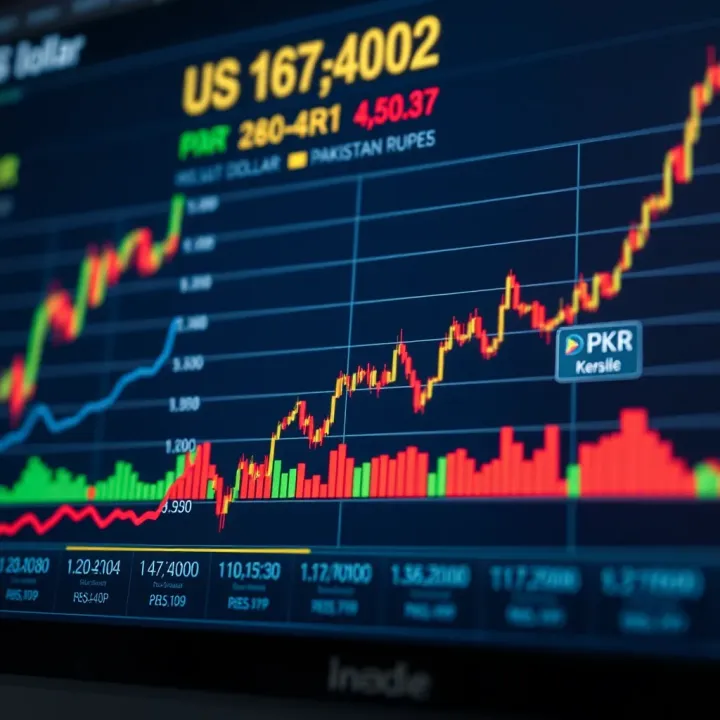
📈 Stay ahead with the USD to PKR forecast! Understand key economic drivers, govt policies, and risks shaping the rupee’s path. Tips for currency users in Pakistan.
Based on 9 reviews