

Using TradingView for Market Analysis: A Practical Guide
📊 Explore TradingView step-by-step: set up charts, apply technical analysis, customize alerts, connect brokers, and join the trader community to trade smarter.
Edited By
Michael Atkinson
Coca-Cola, a giant in the global beverage market, faces stiff competition from various multinational and regional brands. Understanding its main rivals helps investors, analysts, and finance professionals grasp the shifting dynamics in this fast-moving sector.
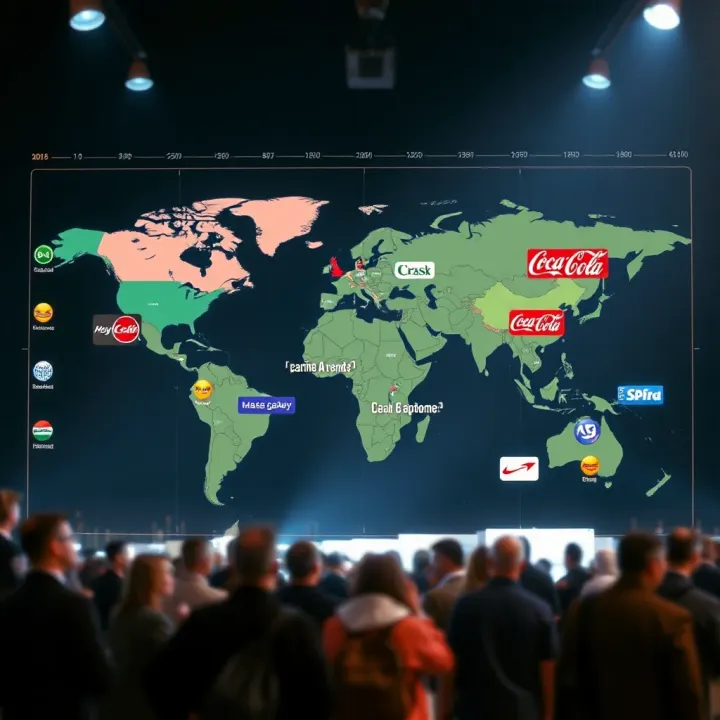
The key global competitors include PepsiCo, Nestlé, and Dr Pepper Snapple Group. PepsiCo often emerges as the closest rival, with aggressive marketing and a broad product portfolio that extends beyond carbonated drinks to snacks and health-oriented beverages. Nestlé, while renowned for food products, holds significant ground in bottled water and coffee segments, challenging Coca-Cola's dominance. Dr Pepper Snapple focuses more on North American markets but still influences competition with unique product offerings.
Regional brands in Asia, Africa, and Latin America also shape competition. For instance, Parle Agro in India competes strongly with Coca-Cola’s brands through popular local drinks like Frooti. In Pakistan, local beverages like Pakola maintain share by catering to traditional tastes. These companies often price aggressively or innovate flavors that appeal more directly to local consumers.
Rival companies employ several tactics to capture market share:
Product Diversification: Offering healthier or niche beverages such as zero-sugar drinks or organic options.
Localized Marketing: Tailoring campaigns to cultural preferences and festive seasons, like Ramazan and Eid in Pakistan.
Distribution Networks: Expanding reach to smaller towns and rural areas where urban penetration is low.
Pricing Strategies: Competitive pricing models to attract price-sensitive consumers in emerging economies.
Coca-Cola maintains its leading position not only through brand power but by adapting to these competitive pressures, continuously innovating in taste, packaging, and availability.
Health Consciousness: Rising demand for sugar-free and natural beverages is forcing rivals to reformulate products.
E-Commerce Expansion: Online sales platforms like Daraz and Careem now play a role in beverage buying habits.
Sustainability Efforts: Environmental concerns push companies to adopt eco-friendly packaging, influencing consumer choices.
By keeping an eye on these competitors and evolving market trends, Coca-Cola demonstrates resilience. However, traders and investors should watch how emerging brands and shifting consumer behaviour impact its future in the global beverage arena.
Coca-Cola’s importance in the global beverage market can’t be overstated. Understanding its position provides essential context for assessing competitors and market dynamics. This overview sets the stage by highlighting Coca-Cola’s extensive reach, varied product portfolio, and strong brand presence worldwide — factors that directly shape the competitive landscape.
Coca-Cola operates in more than 200 countries, making it one of the most widespread beverage companies globally. Its product range surpasses just soft drinks; it extends to juices, waters, sports drinks, and teas. For example, brands like Minute Maid and Dasani allow Coca-Cola to cater to different consumer preferences and regional tastes. In Pakistan, Coca-Cola's portfolio includes not only sparkling drinks but also bottled water brands like Kinley, which compete actively in local markets.
This wide-ranging product mix helps Coca-Cola maintain a foothold across various beverage categories, reducing dependence on any single product line. The company’s ability to adapt products to local preferences—such as promoting sugar-free options in health-conscious markets—also strengthens its position.
Coca-Cola consistently ranks among the top in global beverage sales, with annual revenues crossing the $40 billion mark in recent years. Its legendary marketing campaigns have created near-universal brand recognition; the red and white logo is known from Islamabad to Istanbul. This familiarity fuels customer loyalty and repeat purchases, which are vital factors in retaining market share against aggressive competitors like PepsiCo.
The brand’s robust distribution system ensures product availability even in remote areas, offering an edge over smaller rivals. In Pakistan alone, Coca-Cola’s distribution reaches deep into rural parts where alternatives may struggle to penetrate. This widespread availability amplifies its sales volumes, keeping it ahead in competitive battles.
Coca-Cola’s extensive reach, broad product range, and strong brand awareness combine to make it a formidable force; understand this, and the strategies its competitors use to chip away at its dominance become clearer.
This section lays the groundwork to appreciate how Coca-Cola’s competitors position themselves by analysing gaps, tailoring products, or adopting niche strategies in response. Analysts, investors, and traders find this insight crucial to evaluating market movements and forecasting Coca-Cola’s performance amid growing challenges.
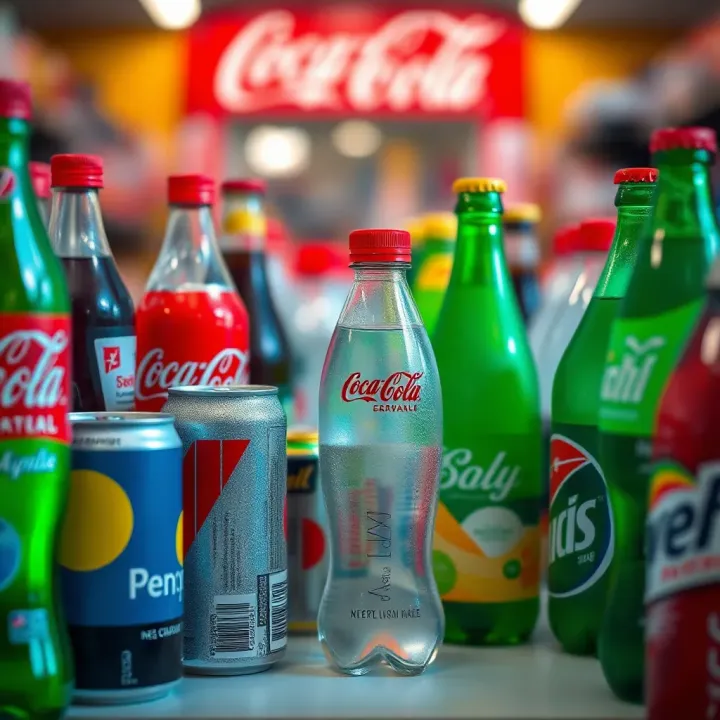
Understanding Coca-Cola’s main global competitors is key to grasping how the beverage sector shapes its strategies. These competitors not only vie for market share but also influence product innovation, distribution, and marketing approaches. For traders and investors, recognising these rivals provides insight into market dynamics that affect stock performance and sector trends.
PepsiCo stands as Coca-Cola’s fiercest rival, competing closely across soft drinks, snacks, and healthier beverage segments. Its diversified portfolio includes iconic brands like Pepsi, Mountain Dew, and Tropicana. This diversity helps PepsiCo balance risks when one sector slows down. Unlike Coca-Cola, which has a stronger focus on carbonated drinks, PepsiCo leverages its snack business (Lay’s, Doritos) for steady revenue, especially relevant during economic uncertainty.
PepsiCo’s supply chain agility allows rapid responses to regional preferences and market disruptions. For instance, it has successfully tapped into emerging markets like Pakistan by adapting flavours and packaging. Strategic partnerships with local bottlers and modern trade outlets amplify reach. Its push towards functional beverages and zero-sugar options puts it on course with shifting consumer tastes.
Dr Pepper Snapple Group is a notable player with a focused portfolio mainly in North America. Its brands like Dr Pepper and 7UP cater to niche tastes that differ from Coca-Cola’s mainstream products. Although smaller globally, its stronghold in speciality sodas and value pricing make it a steady regional competitor. Investors should watch its capacity to innovate in non-carbonated drinks as consumer preferences evolve.
Nestlé moves beyond just beverages but holds significant stakes in bottled water, coffee, and health drinks. In Pakistan and South Asia, Nestlé’s bottled water and Nescafé coffee secure large market shares. The company’s focus on health-conscious products aligns well with global trends favouring natural and fortified beverages. For financial analysts, Nestlé’s approach demonstrates diversification not only across product types but also health and wellness segments, making it a resilient competitor.
Red Bull has carved out a niche in the energy drink market, outpacing Coca-Cola’s energy offerings in several markets. Its marketing strategy, centred on extreme sports and youth culture, adds brand value beyond just beverage sales. The premium pricing and brand loyalty Red Bull commands highlight a distinct category that can attract different consumer segments. Monitoring Red Bull’s international expansions gives clues about shifting consumer energy drink preferences globally.
These competitors highlight varied approaches—diversification, niche branding, or health orientation—that Coca-Cola must continuously address to retain its dominant position.
In summary, Coca-Cola’s main global rivals bring unique strengths that shape the competitive environment. For professionals analysing this market, recognising these players’ strategies helps predict sector movements and investment opportunities more accurately.
Regional and local beverage brands play a significant role in shaping the dynamics of the global market. Unlike multinationals such as Coca-Cola or PepsiCo, these players often have a deep understanding of local tastes, cultural preferences, and price sensitivities, which allows them to capture niche segments effectively. For investors and analysts, recognising the influence of these regional brands helps to anticipate shifting consumer loyalties and emerging competitive threats that could affect market shares.
Local players also respond faster to market trends and regulatory changes within their territories. Their agility in product development and marketing can create strong brand affinity, especially in markets where heritage and tradition matter alongside modern convenience. The presence of such brands signals the limits of global giants’ reach and exposes areas where international companies might need to adapt more substantially.
Pakola, an iconic local soft drink brand, holds a special place in Pakistan's beverage sector. Established in the 1950s, it maintains a loyal following with flavours tailored to regional preferences, such as its famous rose and apple varieties. While Coca-Cola commands a large share of the carbonated drink segment, Pakola’s nostalgic value and local production help retain consumers who prefer traditional tastes at a competitive price point.
Besides Pakola, many small-scale local carbonated drinks companies thrive in different provinces. These brands often use low-cost distribution networks, reaching smaller towns and rural areas where major players have limited penetration. For traders and investors, such brands reflect market segments with growth potential and resilience against multinational pricing strategies.
The bottled water category offers a different competitive landscape where local and regional brands challenge Coca-Cola’s Dasani brand. Bisleri, originally an Indian brand but now widely recognised across South Asia including Pakistan, enjoys strong trust due to its emphasis on purity and strict quality control. Its popularity shows the increasing consumer preference for safe, reliable drinking water, especially in urban and semi-urban centres.
Several Pakistani bottled water brands, like Nurpur and Aqua Fina (owned by Coca-Cola), coexist, but local players often beat MNCs on price and distribution in smaller cities. Bottled water consumers prioritise availability and affordability, which enables regional brands to maintain significant market share. Understanding this segment helps investors identify trends beyond carbonated drinks, especially given rising health consciousness among Pakistani consumers.
Various emerging regional brands outside Pakistan have begun to challenge global beverage leaders by leveraging local tastes and novel product lines. For example, in Southeast Asia, brands like Thailand’s Oishi and Vietnam’s Number 1 focus on tea and energy drinks relevant to their populations’ preferences. Similarly, in Africa, local juice and soft drink brands cater to fast-growing urban populations, often with pricing strategies that multinational companies struggle to match.
For businesses or investors looking at the global picture, these emerging brands reveal how diverse consumer bases demand customised offerings. Such regional innovations frequently force giants like Coca-Cola to rethink marketing and product development strategies to stay competitive globally.
Regional and local beverage companies can often outperform larger competitors in cultural resonance and price competitiveness, making them key players to watch in overall market analysis.
In summary, while Coca-Cola leads globally, regional and local brands like Pakola and Bisleri, and others in international markets, provide nuanced competition that impacts market shares and consumer choices profoundly. For professionals tracking global beverage trends, accounting for these players is vital to fully grasp the competitive environment.
The beverage market is evolving fast, with customer preferences and market conditions pushing companies to rethink their strategies. Trends like healthier drink options and the rise of e-commerce are especially influencing competition. These shifts matter for Coca-Cola and its rivals because they dictate product development, marketing, and sales channels. Traders and analysts should watch these trends closely as they impact market shares and company valuations.
Consumers now prefer beverages offering health benefits beyond basic refreshment. This includes low-sugar drinks, fortified waters, and drinks with probiotics or natural ingredients. For instance, Coca-Cola has introduced brands like Bonaqua and Minute Maid Pulpy, focusing on hydration with natural flavours and less sugar. Similarly, PepsiCo expanded its portfolio with brands like Tropicana and Aquafina to target health-conscious consumers.
In Pakistan, rising awareness about sugar-related health risks has prompted local companies to launch sugar-free and vitamin-enriched drinks. This trend affects sales of traditional carbonated drinks, forcing companies to innovate. Investors should note that brands tapping into the healthier drinks segment often see steady growth, reflecting changing consumer habits.
Online sales platforms and digital marketing are reshaping how beverages reach customers. Platforms like Daraz and Foodpanda now feature broad beverage selections, enabling companies to reach urban and semi-urban consumers directly. Digital campaigns focusing on social media engagement help brands target younger demographics effectively.
Coca-Cola and PepsiCo invest heavily in digital content tailored for the Pakistani market, using local celebrities and influencers to boost brand visibility. Meanwhile, smaller brands benefit from e-commerce by avoiding costly traditional distribution. For financial analysts, the shift to online channels often means lower marketing costs and higher margins, enhancing profitability potential.
Keeping up with these trends is not just about following consumer tastes but adjusting supply chains, marketing approaches, and innovation strategies. Companies that adapt fast tend to secure competitive advantages in this rapidly changing industry.
In summary, healthier products and digital sales are top forces shaping competition. Traders and investors should account for these trends when evaluating beverage companies’ growth potential and market strategy effectiveness.
Coca-Cola faces stiff competition in a beverage market that is constantly evolving with consumer preferences and technological advances. To stay ahead, the company focuses on two main areas: product innovation and marketing localisation. These strategies not only help Coca-Cola maintain market share but also respond effectively to rival brands and regional tastes.
Coca-Cola invests heavily in product innovation to meet the changing demands of health-conscious consumers and those looking for new flavours. Alongside its classic sodas, Coca-Cola has diversified into sugar-free drinks like Coke Zero and expanded into waters, teas, energy drinks, and plant-based beverages. This approach counters competitors such as PepsiCo, which also offers a broad portfolio including Gatorade and Tropicana juice.
For instance, in Pakistan, Coca-Cola launched its emerging coffee brand, Costa Coffee, to tap into the growing urban café culture. Such diversification allows Coca-Cola to capture different market segments and reduce dependence on traditional sugary drinks, which face regulatory pressures and shifting tastes.
Coca-Cola’s marketing strategy combines global brand strength with tailored local campaigns. The company often uses culturally relevant themes and festivals in its advertising to connect deeply with local audiences. In Pakistan, Coca-Cola’s Eid campaigns celebrate community and togetherness, striking a chord with consumers.
Moreover, Coca-Cola uses digital platforms extensively to engage younger audiences, leveraging social media and influencer partnerships. This is crucial given the rise of e-commerce and mobile internet in many markets. Localised promotions, like packaging featuring regional languages or limited-edition flavours unique to a country, also help Coca-Cola outshine local competitors.
By blending product innovation with sharply localised marketing, Coca-Cola stays relevant and competitive in a crowded global beverage landscape.
These combined strategies help Coca-Cola respond flexibly to competitors' moves and emerging consumer trends. For traders and investors, watching how Coca-Cola adapts its product range and marketing in various markets provides insight into the company’s resilience and future growth potential.
📊 Explore TradingView step-by-step: set up charts, apply technical analysis, customize alerts, connect brokers, and join the trader community to trade smarter.

Discover how to use TradingView.com for in-depth market analysis in Pakistan📈. Learn about charts, indicators, market news📰, strategies, and community features.

Stay informed on Cardano's latest updates 📰, tech developments ⚙️, key partnerships 🤝, and market trends 📈 relevant for Pakistani investors and tech fans.

📊 Explore Arbitrum price trends, tech overview, market insights, risks & opportunities to guide your investment decisions in Pakistan’s crypto scene.
Based on 9 reviews