
Is Binance Legal in Pakistan? What You Should Know
Is Binance legal in Pakistan? 🇵🇰 Learn about the country's crypto rules, State Bank stance, trader challenges, and key details for safe use of Binance.
Edited By
David Mullins
Binance has become one of the go-to platforms for crypto trading in Pakistan, thanks to its wide range of coins and user-friendly interface. But once you've made profits or want to cash out, withdrawing money can feel tricky because of local banking rules and the restrictions on crypto transactions.
This guide focuses on how you can withdraw money from Binance safely and efficiently within Pakistan. It covers everything from account verification requirements to practical withdrawal methods like direct bank transfers and peer-to-peer (P2P) trading, which many Pakistanis rely on due to limited banking options.
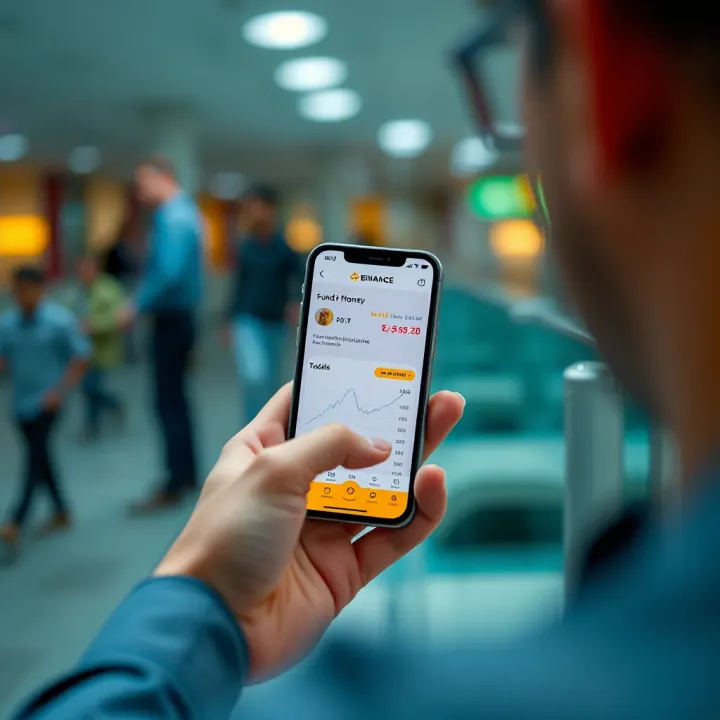
Before you withdraw, Binance requires KYC (Know Your Customer) verification to comply with regulations. Make sure you have your Computerised National Identity Card (CNIC) ready, a clear selfie, and bank account info matching your registered name. Without this, withdrawal limits will be very low or disabled altogether.
Bank Transfers: You can convert crypto into fiat and then transfer to your local bank account. However, inter-bank regulations and delays can occur, so expect withdrawals to take 2–5 working days. Banks like HBL, UBL, MCB support such transactions but confirm with your branch.
P2P Trading: This stands for peer-to-peer trading, which is popular in Pakistan due to faster settlement. Binance's P2P platform connects you directly with buyers/sellers who pay via local payment methods like Easypaisa, JazzCash, or direct bank transfer. This method bypasses traditional crypto withdrawal issues.
Third-party Payment Processors: Although some platforms claim to facilitate crypto withdrawal to PKR wallets, they often charge higher fees or have risks. Use only well-reviewed services and avoid unknown intermediaries.
Always double-check payment details, verify counterparties on P2P, and be wary of scams, especially when large sums are involved.
Withdrawing from Binance involves network transaction fees (vary by coin) and sometimes a withdrawal fee set by Binance. Pakistani banks and P2P sellers might also charge a small commission. Typically, P2P trades may cost you 0.1%-0.2% in fees, whereas direct bank withdrawals depend on your bank's charges.
Knowing these factors helps in planning the timing and volume of your withdrawals.
Understanding these basics will prepare you for smooth transactions, keeping your funds secure while navigating local challenges.
Setting up your Binance account properly is the first step to ensuring smooth and hassle-free withdrawals in Pakistan. This process involves important steps like completing identity verification, linking your mobile number and email, and activating security features. Without these, you might face withdrawal delays, limits, or even account restrictions, which could disrupt your trading or investment plans.
Binance requires Pakistani users to submit their Computerised National Identity Card (CNIC) and other identification documents to verify their identity. This step helps Binance comply with global anti-money laundering (AML) regulations and Pakistan's financial rules. For example, submitting your CNIC not only confirms your citizenship but also boosts your withdrawal limits and access to higher transaction volumes. Without verification, your account will have restricted features, making cashing out difficult.
Linking a valid Pakistani mobile number and email address is essential for account security and communication. Binance sends important alerts, such as withdrawal confirmations and login notifications, to these contacts. If you receive any suspicious activity alerts, you can respond quickly to protect your funds. Moreover, Binance often requires confirmation codes via SMS or email during withdrawal steps, so accurate contact information prevents delays or failed transactions.
Two-Factor Authentication (2FA) adds an extra layer of security when withdrawing funds. By enabling 2FA—usually via Google Authenticator or SMS verification—you ensure that even if someone steals your password, they cannot withdraw money without the second verification code. For Pakistani users, where cyber fraud and phishing attempts are common, 2FA significantly reduces the risk of losing crypto assets when withdrawing or moving funds.
Binance sets daily and monthly withdrawal limits depending on account verification levels and regional policies. For example, unverified accounts might be limited to withdrawing a small amount of crypto daily, such as 0.06 Bitcoin equivalent, while fully KYC-completed accounts can withdraw substantially higher amounts. Knowing these caps helps plan large transactions—it prevents unwanted surprises when trying to cash out Rs 10 lakh worth of crypto in one go.
KYC (Know Your Customer) tiers classify users based on how much personal information they provide. Binance’s basic KYC might only require a CNIC copy, allowing limited withdrawal capabilities. However, enhanced KYC—requiring selfie verification and proof of address—raises withdrawal limits notably. For instance, after completing advanced KYC, you might increase your monthly fiat withdrawal limit from Rs 5 lakh to over Rs 50 lakh. This makes it easier for serious traders and investors in Pakistan to manage higher volumes without hitting barriers.
Getting your Binance account set up correctly avoids interruptions during withdrawal and ensures compliance with Pakistani financial regulations.
By following these steps, you prepare your account not just for quick withdrawals but also for safer and more reliable transactions aligned with the local regulatory environment.
Withdrawing funds from Binance in Pakistan demands clear understanding of available methods suited to local regulations and banking conditions. Each withdrawal option offers its own advantages, processing times, and practical considerations. Knowing these helps you choose the most efficient, secure, and cost-effective way to convert your crypto assets into Pakistani Rupees (PKR) or other desired formats.
Trading through Binance's peer-to-peer (P2P) platform is popular due to direct buying and selling between users. Selecting dependable P2P buyers is key to avoiding fraud or payment delays. Look for sellers with high completion rates, positive reviews, and active transaction history. For example, buyers with over 95% successful trades and at least 50 completed deals tend to be trustworthy. Binance’s built-in rating system helps spot such reliable traders.
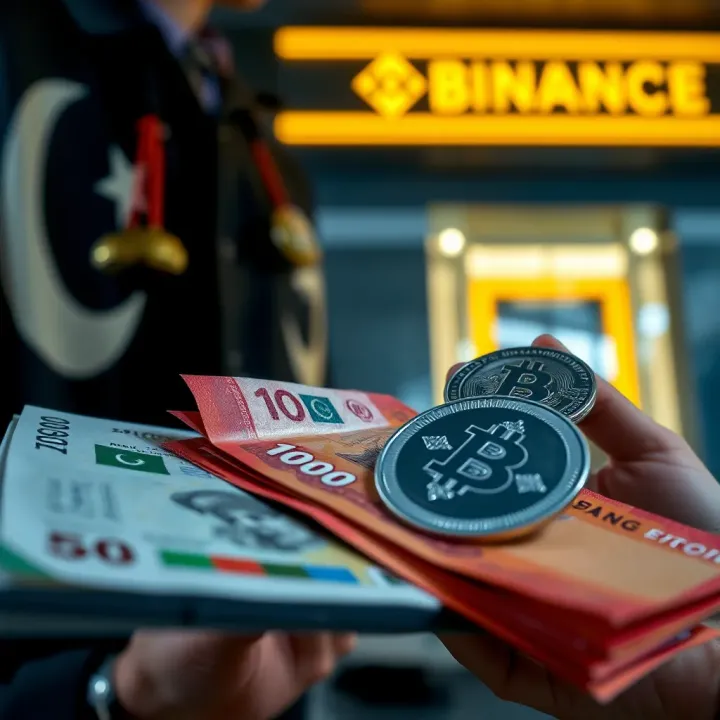
To convert crypto to PKR via P2P, first log in and go to Binance P2P section. Select the ‘Sell’ option and choose PKR as the currency. Enter the amount and preferred payment method, such as JazzCash or Easypaisa. Binance then matches you with buyers fitting your criteria. After confirming trade terms, release crypto only after receiving confirmation of payment. This sequence ensures safe transactions without merchant risk.
JazzCash and Easypaisa dominate Pakistan’s mobile-payment space, making them ideal for P2P transfers. Buyers typically send PKR through these wallets after agreeing upon price and amount. Transfers reflect immediately, reducing waiting and improving convenience. For sellers, having active JazzCash or Easypaisa accounts speeds withdrawal access and simplifies funds management locally.
Bank transfers require converting your crypto into fiat currency like PKR first. This generally involves selling your crypto on Binance against the PKR trading pair or using P2P to liquidate assets. Once settled in your Binance wallet as PKR, you initiate the transfer to your Pakistani bank account.
Before withdrawing, add your bank account information in Binance account settings, providing accurate IBAN, account number, and bank name details. Linking ensures smooth transfers and compliance with regulatory checks. Triple-checking bank info avoids delays or failed withdrawals that sometimes occur due to incorrect details.
Bank withdrawals can take anywhere between one to three business days depending on your bank and transaction size. Certain banks may take more time during weekends or busy periods. Compared to P2P, transfers suit larger sums but have longer wait times and occasional fees.
Some third-party platforms enable crypto withdrawals indirectly by facilitating conversion and transfer to Pakistani accounts. These services often charge additional fees but add another layer of convenience, particularly for users facing limits on Binance or banking restrictions. It is crucial to verify the legitimacy and fees of such gateways beforehand.
Instead of converting directly to PKR, some prefer swapping crypto into more liquid or widely accepted coins like USDT (Tether). Using stablecoins eases transfer across exchanges or wallets that support local withdrawals, reducing dependency on direct fiat conversions and potential delays. This method suits traders active in crypto markets wanting flexibility before final withdrawal.
Understanding withdrawal methods in Pakistan’s context — including P2P trading, bank transfers, and alternate routes — enables smoother access to funds while keeping risks and costs manageable. Choosing the right method depends on your urgency, amount, and comfort with each platform.
Understanding the fees, charges, and limits when withdrawing money from Binance is vital for users in Pakistan to avoid unexpected costs and delays. Whether you choose bank transfers, P2P trading, or other withdrawal methods, knowing the exact costs can help you plan transactions efficiently and increase your net returns.
When withdrawing cryptocurrencies directly from Binance to external wallets, network transaction charges apply. These fees are paid to the blockchain network for validating and processing transfers. For example, Bitcoin transactions may incur fees ranging from a few hundred to a couple of thousand rupees, depending on network congestion. These charges are outside Binance's control and vary daily, so checking the current fee before withdrawal helps you avoid surprises. Ignoring this can eat into small withdrawals, making it uneconomical to transfer low amounts.
Binance's Peer-to-Peer (P2P) platform often offers lower fees or even zero commission for cryptocurrency trades with other users. However, buyers usually factor in a spread that affects the effective withdrawal amount in Pakistani rupees. For instance, selling Bitcoin on P2P may involve paying a slightly lower price than the market rate to account for convenience and speed. Though Binance might not charge direct commissions on P2P trades, users should watch the price differences carefully. This subtle cost impacts how much PKR you receive after selling crypto via P2P.
Withdrawing funds from Binance via Pakistani bank accounts involves converting crypto to fiat first, then transferring money to your bank. Banks typically do not charge withdrawal fees themselves, but intermediary banks in international transactions might impose charges, especially for USD to PKR conversions. Furthermore, transfers can take one to three business days depending on the bank and clearance processes. Delays worsen if transaction details are incorrect or if large amounts trigger compliance checks. For example, swapping BTC to PKR and transferring Rs 2 lakh to a bank may take 48 hours or more.
Using mobile wallets like JazzCash and Easypaisa for P2P withdrawal adds convenience but comes with their own fee rules. JazzCash typically charges around 1% to 1.5% on cash-in and cash-out operations beyond certain limits, while Easypaisa has slightly different rates depending on agent location and transaction size. These fees are generally transparent but might vary if using third-party services to transfer funds after Binance P2P sales. Understanding these charges helps avoid surprises when receiving money, especially in larger sums when fees can reach several thousand rupees.
Always double-check fees before finalising any withdrawal method. Small differences can add up, and planning around limits and costs maximises your gains.
By figuring out these costs upfront, Pakistani Binance users can choose withdrawal methods that best fit their budgets and timelines, ensuring smoother financial management.
Withdrawing money from Binance in Pakistan appears straightforward but can face hiccups without proper care. Common issues such as withdrawal delays, transaction errors, or security risks are not rare. Addressing these challenges with practical tips ensures smoother, quicker access to your funds, saving time and potential losses.
One of the simplest yet most critical steps is verifying the recipient account details before confirming a withdrawal. Whether you’re entering your bank account information for a direct transfer or sharing your JazzCash account on P2P platforms, a single typo can send funds to the wrong person. In Pakistan, where bank names and account numbers can vary in format, it’s wise to cross-verify details against your official documents or bank statements.
Even a small mistake, like mixing up digits in your IBAN or forgetting the sub-branch code, may cause delays or even loss of money. Taking an extra moment to re-check details can prevent having to go through lengthy recovery procedures.
Cryptocurrency networks, including Bitcoin and Ethereum, often experience higher traffic during peak hours, leading to slower transaction confirmations and increased fees. In Pakistan, this usually happens in the evening or after major global market movements.
Planning withdrawals during less busy times, such as early mornings or late nights PKT, helps your transactions confirm faster and at lower cost. For example, if you initiate a Bitcoin withdrawal late at night, you might save considerable time and network fees compared to daytime transactions. Similarly, avoid withdrawing right before weekends or public holidays when bank processing slows down.
Always use your personal, secure device when accessing Binance and initiating withdrawals. Public Wi-Fi networks, such as those in cafes or airports, pose considerable risks of interception. Using a trusted home network or a reliable VPN reduces exposure to hackers.
Additionally, keep your device updated with the latest security patches and use anti-malware software. These measures protect against malicious software that could capture your login credentials or manipulate withdrawal addresses.
Scammers often target cryptocurrency users with fake emails, websites, or messages that mimic Binance notifications. They commonly ask users to confirm withdrawal details or reveal tokens and passwords.
Always double-confirm that any message prompting action truly comes from Binance by checking the sender’s email domain and accessing Binance only through official apps or the verified website. Never share your two-factor authentication (2FA) codes or private keys with anyone.
Vigilance and simple security habits are your best defence to keep your funds safe when withdrawing from Binance in Pakistan.
Following these tips practically shields you from common pitfalls, ensuring your crypto-to-PKR conversions and withdrawals proceed smoothly and securely every time.
Understanding legal and regulatory frameworks is vital for anyone withdrawing money from Binance in Pakistan. The State Bank of Pakistan (SBP) and the Federal Board of Revenue (FBR) have specific rules that affect how cryptocurrencies are handled, reported, and taxed. Ignoring these can lead to penalties or delays.
Pakistani users must report transactions exceeding certain limits to the SBP. For instance, any cross-border transfer or withdrawal above Rs 1 million generally requires documentation and proper justification. This is part of SBP's efforts to monitor financial flows and curb illegal money laundering. While Binance operates globally, Pakistani users must ensure their withdrawals are transparent and comply with these requirements, especially when using bank transfers.
Failing to report large transactions can cause freezing of funds or account scrutiny by authorities. Therefore, keeping detailed records of all P2P trades, bank transfers, and crypto conversions is practical. This helps you show the legitimate origin and destination of your money if asked.
The FBR classifies cryptocurrency gains as taxable income. Though detailed crypto tax regulations are evolving, it’s advisable to treat profits from selling crypto on Binance as capital gains or business income. Declaring these earnings in your annual tax return aligns with FBR instructions and prevents future legal headaches.
For example, if you convert Bitcoin into Pakistani rupees worth Rs 5 lakh, any profit beyond your initial investment should be reported. Keeping track of purchase prices, sale prices, and transaction dates using Binance statements can simplify tax filing. It also demonstrates good compliance practice if FBR requests proof.
The crypto sector in Pakistan is facing pending regulations from financial authorities. Currently, no comprehensive law fully legalises cryptocurrency trading or withdrawals, but the government is considering regulatory frameworks. Traders should stay updated through official channels, as this uncertainty affects the ease of withdrawing funds and banking access.
Pending rules may impose stricter due diligence, reporting, or even limit crypto-related transactions. That said, cautious users aligning with existing banking laws and tax requirements reduce risks of penalties.
Banking cooperation with crypto platforms like Binance might improve or decline depending on regulatory clarity. Some Pakistani banks currently hesitate to process crypto withdrawals due to compliance fears. However, changes could pave the way for formal banking gateways designed explicitly for crypto-fiat conversions.
If SBP and FBR introduce clear guidelines, you might see smoother bank transfers from Binance with fewer holds or rejections. Until then, relying on peer-to-peer methods through platforms like Easypaisa or JazzCash often remains more practical.
Staying aware of legal and regulatory demands will safeguard your funds and make withdrawing from Binance in Pakistan a more straightforward experience. Always keep records, report large transactions, and be ready for changes coming soon.
Is Binance legal in Pakistan? 🇵🇰 Learn about the country's crypto rules, State Bank stance, trader challenges, and key details for safe use of Binance.

🔍 Learn about Binance minimum deposit requirements in Pakistan! Discover payment options, deposit limits, security tips, and policies to start trading safely.💰
Looking for the best trading app in Pakistan? 📱 Learn key features, security tips, and ways to earn money safely while managing your risks effectively. 💰

💰 Discover practical ways to earn addon money in Pakistan, manage extra income smartly, and boost your finances without stress. Learn tips & cautions here!
Based on 9 reviews