
Understanding Trading Signals for Pakistani Traders
📊 Explore how trading signals guide decisions in Pakistan's markets, learn types, tools, and smart ways to use them for better trading results.
Edited By
James Thornhill
Trading graphs stand as the backbone of decision-making for traders worldwide, and Pakistani traders are no different. Whether you’re dabbling in the Karachi Stock Exchange or exploring foreign currency markets, these graphs offer a window into market behavior that no trader should ignore.
In simple terms, trading graphs visually represent price movements and trends over time. They help us spot patterns and predict what might come next, reducing those moments of guessing and gut-feeling that can lead to costly mistakes.
This guide will walk you through the kinds of graphs you’ll encounter, how to read their signals, and tips tailored for Pakistani market conditions. Understanding these can take your trading from a shot in the dark to a well-informed strategy, saving you time, money, and a lot of headaches.
Graphs are like a trader’s compass; ignoring them is like sailing without a map.
In the sections ahead, you’ll learn about line charts, bar charts, candlestick charts, and more – plus how to spot key patterns like head and shoulders or double tops. These aren’t just academic concepts; they’re practical tools with real money on the line.
So, if you’re ready to see the market through clearer eyes and trade smarter, keep reading. This isn’t complex jargon or insider secrets – just solid knowledge delivered straight, no fluff.
Trading graphs are the heartbeat of market analysis. Whether you're tracking the Pakistan Stock Exchange (PSX) or monitoring forex pairs like USD/PKR, these visual tools help you make sense of piles of data. Without them, you'd be fumbling in the dark, trying to predict price moves without a clear picture. This section covers why trading graphs matter and how they give traders an edge in fast-moving markets.
At their core, trading graphs paint a clear picture of how prices have moved over time. Imagine staring at raw numbers for hours—that’s confusing and unhelpful. But graphs turn those numbers into easy-to-understand trends, letting you spot if a stock is climbing steadily or dropping quickly. For example, a rising candlestick pattern in a PSX-listed company like Habib Bank tells you buyers are in control, helping you make informed moves rather than guessing blindly.
Graphs aren't just pretty pictures; they’re tools that back your trading choices. By showing highs, lows, and closing prices, they highlight critical moments to enter or exit trades. If the Pakistan rupee starts slipping against the US dollar on a forex chart, a trader might decide to cut losses or jump on a buy opportunity before it swings further. This quick insight helps cut down risk and boosts confidence in every trade.
Market trends are the rhythm that traders must follow closely. Trading graphs help identify whether a trend is bullish, bearish or sideways. In commodities like wheat or oil, these trends often reflect bigger economic factors such as harvest yields or global demand. If you watch price charts regularly, spotting shifts early gives you a real shot at riding a trend or avoiding a bad trade before the crowd does.
Pakistan's stock market is vibrant but can be volatile. Trading graphs here show daily price moves of companies like Engro Corporation or Pakistan Petroleum. Understanding these charts helps investors catch upswings or spot warning signs of downturns. For example, a sudden drop in volumes followed by falling prices might hint at a sell-off, prompting traders to reevaluate their positions.
Forex trading, especially USD/PKR and other currency pairs, is huge for local traders. Trading graphs give real-time updates, showing how geopolitical news or policy changes impact currency value. A graph illustrating a steady rise in USD/PKR may indicate inflation worries or foreign investment changes, enabling Pakistani traders to plan ahead with better timing.
Commodity markets in Pakistan cover items like gold, oil, and agricultural products. Price charts here reflect supply-demand shifts driven by local festivals, international trade policies, or weather changes. For instance, before the wheat harvesting season, prices may drop in anticipation — spot this trend early through graphs to avoid buying high. Using these graphs helps traders stay connected to market realities affecting everyday commodities.
Trading graphs are not mystical tools but practical aids that everyone—from beginners to seasoned traders—can use to read the market's pulse, make smarter decisions, and navigate Pakistan's unique trading environment with confidence.
Getting a grip on the key types of trading graphs is like learning the language of the market. Each graph type tells a different story about price movements, helping traders spot opportunities or avoid pitfalls. For Pakistani traders, understanding these charts is essential, whether you're tracking stocks on the Pakistan Stock Exchange or monitoring forex pairs in the bustling currency market.
These graphs aren't just pretty lines or shapes—they’re practical tools that clue traders into market sentiment and price action. Knowing when to use a line graph instead of a candlestick chart, for instance, can be the difference between making a well-timed buy or getting caught in a losing trade.
Line graphs are the most straightforward way to watch price changes over time. They plot closing prices one after another, joining the dots to form a simple line. For example, if you look at the closing price of a company like Lucky Cement over the last month, the line graph will clearly show whether it’s trending up, down, or moving sideways.
This simplicity makes line graphs excellent for beginners or for getting a quick snapshot without unnecessary clutter. They give a clean view of overall price direction, but don't show intra-day price swings or volatility.
The biggest strength of line graphs is their clarity. When you need to see the general trend quickly, these graphs deliver without distraction. That makes them great for long-term investors or when looking at daily, weekly, or monthly data at a glance.
On the flip side, line graphs skip important details like the daily open, high, and low prices. For a trader needing to understand volatility or assess risk within a trading session, line graphs fall short. It’s like reading a novel and only seeing the chapter titles—helpful, but lacking depth.
Bar charts bring more detail to the table by showing not just where a stock closed but also where it opened, the highest point, and the lowest point during the period. Picture a vertical line with little horizontal dashes: the top of the line shows the highest price, the bottom shows the lowest, the left dash is the opening price, and the right dash is the closing price.
For example, if you track oil futures on the Karachi Commodity Exchange, bar charts tell you how volatile the price was within a day. Did it jump sharply and then settle back, or was it mostly steady? These insights help you understand market strength and momentum.
Reading bar charts isn't complicated once you know what each part represents. Imagine each bar as a mini story: the vertical line shows the price range, while the dashes lock in the open and close. If the close is higher than the open, the bar often gets colored green (bullish), and if lower, it's red (bearish).
One actionable tip: look for patterns like a bar with a long upper shadow but a close near the low—this can signal selling pressure. Bar charts help traders spot such warning flags faster than line graphs.
Candlestick charts build on bar charts but with a twist—they use a 'body' to represent the open and close, plus 'wicks' (or shadows) above and below for high and low prices. The body’s color indicates if the price rose (often green or white) or fell (red or black) during that period.
Take a look at a candlestick for Engro Corporation stock. If the candle has a long body and little wick, it signals strong momentum either way. Longer shadows suggest price rejection or uncertainty.
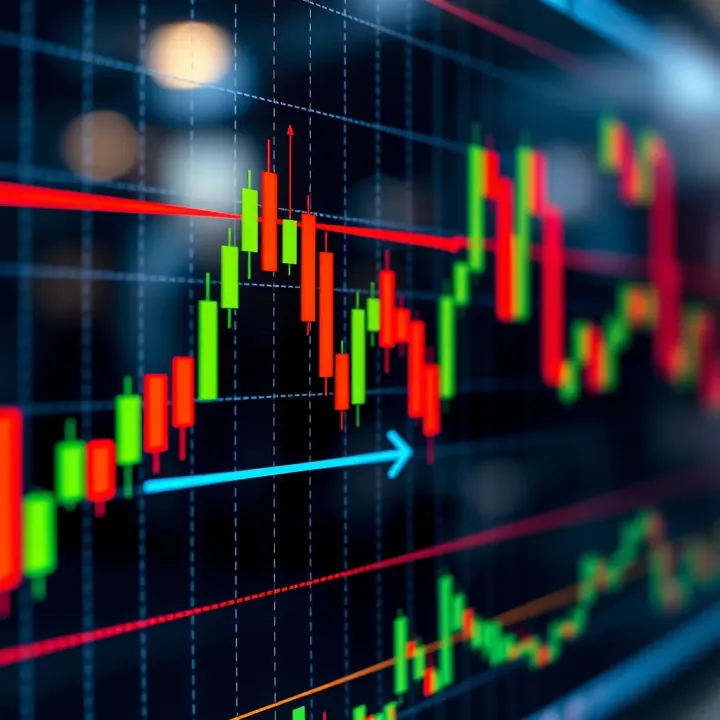
Candlesticks are prized for their visual cues about market mood. Bullish signals, like the “hammer” or “morning star,” can hint at a trend reversal or buying power stepping in. Bearish patterns, such as the “shooting star” or “evening star,” warn of potential downturns.
For example, if you see a hammer candle after several days of price drops on the Pakistan Stock Exchange, it might suggest buyers are gaining control, making it a possible time to consider entry. But remember, no single candlestick tells the whole story—it’s best to confirm with volume or other indicators.
Remember: Each graph's utility grows with experience and context. Mixing these graph types wisely can sharpen your market insight and trading decisions.
Mastering line, bar, and candlestick charts opens up a clearer picture of market moves. For Pakistani traders navigating local stocks, forex, or commodities, these visual tools are your eyes in the crowded market room.
Understanding the fundamental elements of trading graphs is like having the right set of tools before you start fixing a machine. These elements form the backbone of analyzing market movements and making smart trading decisions. When Pakistani traders grasp these basics well, they can spot opportunities and avoid common pitfalls more effectively. Without mastering time frames, volume indicators, and price trends, traders might find themselves following noise rather than clear signals.
Choosing between short-term and long-term charts depends on your trading style and goals. Short-term charts, such as 5-minute or 15-minute intervals, are favored by day traders looking to seize quick price moves. For example, a forex trader in Karachi might rely on a 15-minute chart to catch small swings in the USD/PKR currency pair throughout the trading session. On the other hand, long-term charts like daily or weekly charts suit investors focused on bigger trends, such as those in the Pakistan Stock Exchange (PSX), where they might track a company's share price over months.
Short-term charts offer more detail but can be noisy, hiding the bigger picture. Conversely, long-term charts smooth out daily fluctuations, helping identify sustained trends but missing short-lived opportunities. Knowing when to switch between these frames can greatly improve your market timing.
Picking the appropriate time frame is all about aligning the chart with your strategy. If you're a swing trader who holds positions for several days, the 4-hour or daily charts might be your best fit. However, if you’re scalping quick profits in commodities like wheat or cotton on the Karachi Commodity Exchange, you’ll want a shorter time frame.
Here’s a simple tip: start with a longer time frame to understand the main trend, then zoom into shorter intervals to find your entry or exit points. For instance, a trader might check the daily chart to see if the overall momentum is bullish before switching to a 30-minute chart to time a buy. This layered approach prevents rash decisions based on misleading short-term moves.
Volume tells you how many shares or contracts changed hands during a given period. Think of it as the crowd size at a market — the busier the place, the more interest there is. In the trading world, high volume usually confirms that a price move is backed by strong participation, reducing the chance it’s a fluke.
For example, if a Pakistani trader notices a sudden jump in the volume of Habib Bank Limited shares during an upward price move, it suggests real buying pressure rather than just a few buyers pushing the price. Conversely, low volume on a price increase might hint at weak demand and a possible reversal.
Volume often acts as a validation tool for price trends. If the price is climbing and volume rises alongside it, it's generally a healthy, sustainable trend. However, if prices surge but volume shrinks, that could warn traders of a fake breakout or a false rally.
Consider an oil futures graph on the Karachi Commodity Exchange: if price breaks a key resistance level with strong volume, it might be a sign to jump in. But if the volume lags, staying cautious would be wiser.
Volume is like the heartbeat of a trading chart — it tells you if the market is alive or just pretending.
Trend lines connect significant highs or lows on a chart to reveal the direction of the market. For instance, drawing a line under rising lows of Pakistan Petroleum Limited stock can help identify when to buy on dips. Support and resistance levels work like invisible barriers – support is the price floor where buying interest stops prices from falling further, and resistance is the ceiling holding prices back from rising.
Crossing these levels often sparks strong moves. If a resistance that held for weeks is convincingly broken, it can become new support, signaling a trend shift. Pakistani traders often watch these levels closely on PSX charts for clues on timing.
Certain price formations repeat often and hint at what might happen next. Patterns like "head and shoulders," "double tops," and "flags" can guide traders on when to enter or exit. For example, spotting a double bottom in a textile stock’s daily chart might suggest a strong buying opportunity.
Being aware of these patterns can keep traders one step ahead. If you notice a flag pattern forming after a sharp price rise, it may indicate a brief pause before the price continues up. But patterns aren’t foolproof — always consider volume and other indicators to confirm.
Mastering these core elements is essential for Pakistani traders aiming to navigate the markets confidently. By understanding how to read time frames, volume, and price patterns, you pave the way for smarter trades and better outcomes.
Trading graphs are more than just pictures of price movements; they're practical tools traders can use to make real money decisions. In practice, these graphs help identify when to jump into a trade and when to step aside, saving both time and capital. For Pakistani traders, who often deal with volatile markets and fluctuating currency values, applying these tools effectively can mean the difference between profit and loss.
Using trading graphs in practice means learning to spot entry and exit points clearly, combining visual insights with technical indicators, and avoiding common pitfalls that trips up even experienced traders. Let’s break down how this plays out step by step.
Knowing when to buy isn't just about guessing the market will go up. It involves careful examination of specific signals on a graph that point toward a favorable price movement. For example, a common buy signal in candlestick charts is the "hammer" pattern, which looks like a lollipop stick, showing that buyers are taking control after a drop. When combined with an increase in volume, this can suggest a strong entry point.
In Pakistan’s stock market, traders might also watch for when a price breaks above a resistance level, like the price crossing over the 50-day moving average. This crossing often suggests upward momentum ahead. Recognizing these signals early helps you get in before the price starts climbing too high.
Knowing when to exit is just as important as knowing when to enter. A common selling clue is the formation of a "shooting star" candlestick, which has a small body and a long upper wick, indicating rejection of higher prices. Also, when prices hit a known resistance level multiple times but fail to break through, it often means the upward trend is losing steam.
Another practical tip is watching for bearish divergence — when price makes higher highs, but an indicator like RSI (Relative Strength Index) makes lower highs. This mismatch can warn that the bullish trend is weakening, signaling it might be time to sell or take profits.
To get a clearer picture, traders often rely on technical indicators alongside graphs. The RSI, Bollinger Bands, and MACD (Moving Average Convergence Divergence) are among the favorites. For instance, MACD helps identify changes in momentum, confirming trends seen on candlestick charts. Bollinger Bands reveal volatility and potential reversal points by showing price movements relative to standard deviation bands.
Pakistani traders using MetaTrader 4 or Pakistan Stock Exchange’s online platforms often find these indicators accessible and helpful in validating what the graph shows. For example, when a stock price nears the lower Bollinger Band, it might suggest an oversold condition and potential buying opportunity.
However, it's easy to get carried away by stacking too many indicators. This can lead to confusing or conflicting signals, making decisions harder rather than easier. The key is to pick a few that complement each other and your trading style.
For example, pairing RSI with moving averages often provides a nice balance between momentum and trend direction. Avoid adding every available indicator because, frankly, more doesn’t always mean better in trading.
One of the classic mistakes is jumping the gun after seeing a single signal without confirming it from other sources. For example, mistaking a doji candle for a reversal without considering volume or the broader trend might lead to losses.
Always double-check signals against the overall chart context. If a buy signal shows up during a persistent downtrend without confirmation, it could be a trap.
Context is king. Trading graphs don’t operate in a vacuum. News events, economic data releases, or political developments can suddenly shift market sentiment. For instance, during Pakistan's Budget announcements or interest rate decisions by the State Bank of Pakistan, price movements might defy usual patterns.
Ignoring these can cause you to misread graphs or hold positions too long. Sophisticated traders keep one eye on real-time news alongside their charts to avoid unpleasant surprises.
To sum up, using trading graphs effectively means more than spotting lines or colors—it's about understanding what they’re telling you in the real world. Combine clear entry and exit signals with a sensible use of indicators and always keep the market’s bigger picture in mind to trade smartly.
Access to reliable tools and platforms is a must for traders in Pakistan who want to make sense of trading graphs. Without the right software and data, even the clearest pattern or signal might get lost in translation. Tools streamline the process of reading charts and interpreting complex market data, making analysis quicker and less prone to human error.
These platforms offer practical benefits like easy customization of charts, adding technical indicators, and saving analyses for future reference. For Pakistani traders navigating local stock exchanges like PSX or diving into Forex, these tools bridge the gap between raw data and actionable insights.
When choosing charting software, don’t just pick the flashiest one. Look for these vital features:
User-friendly interface: You want something that feels intuitive rather than a tool that requires a tutorial just to find the basics.
Variety of chart types: Line, bar, candlestick—your software should cover them all, allowing flexible analysis.
Customization options: Ability to tweak indicators, change colors, or set custom alerts helps tailor charts to your strategy.
Historical data availability: To spot reliable patterns, you need access to extensive historical price data.
Compatibility for multiple markets: Especially if you trade more than stocks, say commodities or currencies.
For example, MetaTrader 4 and TradingView have become widely popular in Pakistan, thanks to their balance of advanced features and ease of use.
Local platforms like the Pakistan Stock Exchange’s own data portal offer essential stock-specific data. However, they often lack the rich analytical tools available internationally. Platforms like TradingView, MetaTrader, and ThinkorSwim provide advanced graphing abilities plus real-time integration, perfect for traders dealing with volatile markets.
International platforms also often support Pakistani market data, allowing traders here to compare local trends alongside global markets—something crucial for Forex traders or investors tracking multinational stocks.
Markets don’t wait, and neither should traders. Real-time data is critical for catching brief windows of opportunity. A delay of even a few seconds could mean missing out on a buy or sell signal, especially in fast-moving markets like Forex.
Live updates also help in risk management. For instance, if you spot an unexpected drop in volume or a sudden price plunge, you can react quickly rather than relying on outdated numbers.
In Pakistan, real-time market data primarily comes from the Pakistan Stock Exchange’s data services, and brokers like IGI Securities or AKD Securities provide investors with live feeds integrated into their platforms.
For Forex and commodities, international providers like Bloomberg, Reuters, and platform-specific feeds from MetaTrader come into play. These providers combine global data streams and local market specifics, ensuring traders have a well-rounded picture.
Accessing good charting software paired with timely data isn’t just convenience; it’s a fundamental part of smart trading. Whether you’re a novice trader or a seasoned analyst, the tools you choose shape how confidently and quickly you act on market signals.
In the end, Pakistani traders benefit most from platforms that blend local market insight with global reach—all updated in real time—and packed with tools designed to make trading graphs easier to understand and act upon.
Trading graphs are more than just lines and bars—they're the heartbeat of market analysis. For traders in Pakistan, understanding these graphs means stepping beyond guesswork and planting decisions on solid ground. This section wraps up the core insights from the article and highlights why mastering trading graphs is so essential.
Graphs help traders spot market trends before they fully unfold, which can mean catching a rising stock early or avoiding a sudden drop. For example, learning to pick out a ‘head and shoulders’ pattern in a candlestick chart could save you from a bad trade. It’s about more than just looking at prices; it’s about reading the market’s story and anticipating the next moves.
Remember, trading isn't a sprint but a steady walk. Skills with graphs contribute to better timing and confidence when buying or selling.
On a practical level, combining chart knowledge with real data and a touch of experience offers a powerful toolkit. Whether it’s using TradingView for up-to-the-second Forex updates or Pakistan Stock Exchange’s charts for local equities, getting hands-on with these tools makes a difference. Knowing when to enter or exit a position, basing your choices on clear signals rather than hunches, can turn a losing streak into steady gains.
Trading graphs are essential for visualizing market trends and understanding price movements in a simple, graphical way.
Key types like line, bar, and candlestick charts each bring unique insights, helping traders interpret price action differently.
Time frames and volume indicators assist in confirming trends, making it easier to decide when to jump in or out.
Practical use of charts goes hand-in-hand with combining technical indicators, but over-relying on too many indicators can confuse rather than clarify.
Common mistakes like misreading signals or ignoring the bigger market context can be costly—staying aware is vital.
Using reliable platforms providing real-time data, such as MetaTrader 4 or Pakistan Stock Exchange’s site, supports timely decisions.
Getting comfortable with trading graphs takes practice. This isn’t about a one-time look but continual exposure. Set aside time daily to study charts, starting with simple line graphs and working up to more complex candlestick patterns. For instance, try tracking the KSE-100 index movements each day, noting how specific chart patterns line up with news or market events. This habit helps your brain connect patterns to real outcomes and sharpens your instinct.
Interactive simulation tools or demo accounts offered by brokers like IG or eToro Pakistan provide risk-free ways to practice. Testing different strategies without risking real money builds confidence and deepens understanding. The goal: be fluent enough to spot signals quickly and accurately when real stakes come into play.
Markets never stand still—and neither should your learning. Each day throws new scenarios that test your chart reading skills. Watch how prices react to events like government policy changes or global oil price shifts, particularly relevant for Pakistan’s commodity traders.
Stay curious and read analysis from local experts or financial news sources like Business Recorder or Dawn’s economic section. Join trader groups on platforms like Telegram or Facebook to discuss charts and strategies; hearing diverse perspectives can reveal patterns you might miss alone.
By observing regularly, you build a mental library of market behavior that sharpens judgment over time. This ongoing learning process is what separates casual traders from the ones who thrive in Pakistan’s dynamic market scene.
In short, trading graphs are tools that work best with daily attention and real-world experience. Combining these practices will help traders make smarter moves and avoid common pitfalls.
📊 Explore how trading signals guide decisions in Pakistan's markets, learn types, tools, and smart ways to use them for better trading results.
📈 Discover how copy trading in Pakistan works, its benefits, risks, and legal tips. Learn to choose the right trader to copy and start confidently today!

Explore Quotex in Pakistan 🇵🇰: Learn how to register, trade various instruments 📈, use local payment options 💳, and stay safe while trading online securely.
📈 Explore key trading patterns, their significance, and how to use them effectively. Get exclusive PDF guides tailored for Pakistan's traders. 📊
Based on 14 reviews