
How to Trade Online in Pakistan: A Simple Guide
📈 Learn how to trade online in Pakistan with our practical guide covering brokers, platforms, risks, regulations, taxes, and payment options for best results.
Edited By
James Whitmore
Online trade has reshaped how businesses and consumers operate in Pakistan, offering new ways to buy and sell beyond traditional markets. It involves selling goods or services through digital platforms, often accessible via mobile apps or websites, making transactions faster and more convenient.
In Pakistan, platforms like Daraz and OLX lead the market by connecting millions of users across cities and rural areas. These platforms have supported small vendors and large brands alike, enabling them to reach customers beyond their local neighbourhoods.
Payments for online trade mostly rely on digital wallets such as JazzCash and Easypaisa, alongside bank transfers and cash on delivery. These options address the challenges of limited credit card use and build trust among buyers and sellers.
However, businesses still face hurdles including logistics, counterfeit products, and legal compliance with Pakistan’s Digital Pakistan policy and Federal Board of Revenue (FBR) regulations. For instance, ensuring timely deliveries across remote areas remains difficult due to inadequate transport infrastructure.
To thrive in online trade, understanding payment gateways, marketplace rules, and legal frameworks is essential for all stakeholders.
The rise of mobile internet across the country fuels online trade growth, especially as younger consumers expect seamless, quick transactions. Looking ahead, incorporating technologies like artificial intelligence to personalise shopping experiences or blockchain for secure payments may define the next phase.
This article will explore the ins and outs of how online trade operates in Pakistan, clarifying its benefits and challenges to help traders, investors, analysts, and educators gain a solid grasp of this evolving commercial landscape.
Online trade has reshaped how businesses and consumers interact in Pakistan, making it crucial to understand its basic concepts and workings. Unlike traditional trade, which relies on physical stores and face-to-face interactions, online trade facilitates buying and selling through digital channels, offering convenience and accessibility 24/7.
Traditional trade usually requires customers to visit markets or shops physically, limiting purchases to local sellers and restricted timings. In contrast, online trade allows buyers and sellers from across the country to connect instantly via websites or apps. This removes geographical barriers and time constraints, letting people shop for anything from clothes to gadgets without leaving their homes. For example, while a shopper in Peshawar might have limited options in local bazaars, online platforms open up access to sellers from Karachi or Lahore.
Online trade in Pakistan covers a wide range of products and services. Common items include electronics, apparel, household goods, and groceries. Besides physical goods, services such as online tutoring, digital marketing, and freelance work are increasingly traded online. Platforms like Daraz facilitate physical product sales, while websites offering IT consultancy or content writing services demonstrate the growing scope for digital services. This diversity reflects evolving consumer preferences and rising smartphone adoption.
E-commerce platforms serve as virtual marketplaces connecting buyers and sellers. Daraz, for instance, operates with a vast catalogue, allowing users to browse thousands of products, compare prices, and read reviews before making purchases. OLX offers classified ads where users can buy and sell second-hand goods locally, appealing especially to those seeking affordable options. These platforms simplify transactions by managing listings, payments, and delivery, reducing the hassle traditionally faced by traders.
Online marketplaces host multiple sellers under one website, providing buyers with product variety and competitive pricing. Daraz is a prime example where numerous retailers offer items in various categories. Direct seller platforms, however, allow single businesses or individuals to sell directly through their own websites or social media channels. While marketplaces benefit customers by consolidating options, direct platforms let sellers build brand identity and personalise customer experience. Many Pakistani SMEs prefer marketplaces for easy reach, while larger brands focus on their own online stores for better control.
Understanding these basics helps traders and investors grasp how digital commerce shifts business models, customer behaviour, and market reach in Pakistan today.
Online trade breaks traditional barriers of time and place.
Platforms like Daraz and OLX play key roles in connecting buyers with a broad seller base.
The choice between marketplace and direct selling affects marketing strategies and customer engagement.
This foundation is essential for anyone analysing Pakistan’s rapidly evolving digital economy, especially given the country's rising internet penetration and changing consumer habits.
Online trade in Pakistan hinges significantly on effective payment systems and robust security measures. These elements not only facilitate smooth transactions but also build customer confidence, which is vital in a market where trust often determines the success of ecommerce.
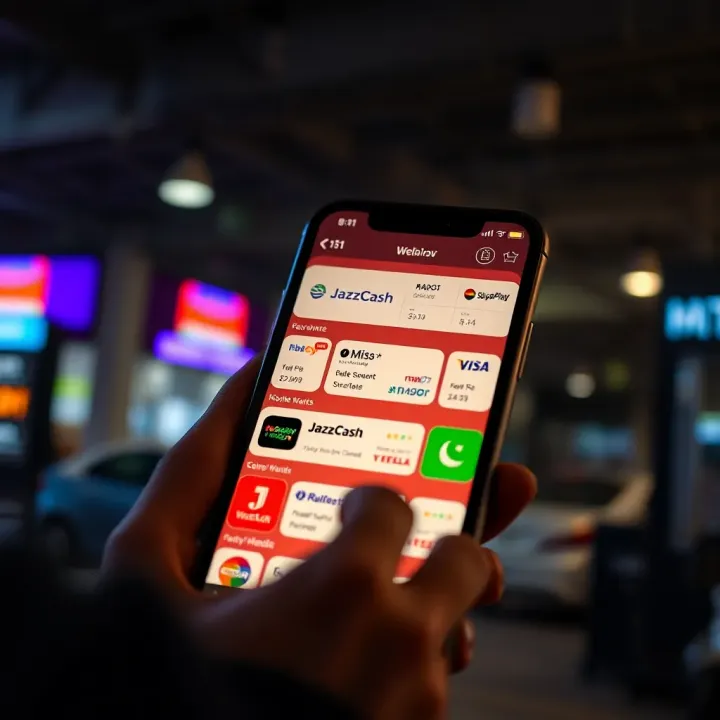
Mobile wallets like JazzCash and Easypaisa have become staples of Pakistan’s online trade ecosystem. These services allow users to send and receive money instantly using just their mobile number, even without traditional bank accounts. For instance, a small Karachi-based seller can receive payments from customers across the country without dealing with cash or lengthy bank procedures. Their integration with numerous online platforms makes shopping and bill payments convenient, especially for those living in remote or less-banked areas.
Bank transfers and card payments remain essential, particularly for higher-value transactions or purchases on platforms that cater to more urban, banked populations. Most Pakistani banks support online fund transfers (IBFT) which enables customers to move money conveniently from their bank accounts to merchants. Credit and debit cards issued by banks like HBL, MCB, and UBL are widely accepted on larger ecommerce platforms such as Daraz, allowing users to shop with added layers of buyer protection. This dual system of bank-based payments and mobile wallets ensures accessibility for a broad user base.
Secure payment gateways act as the frontline defence against fraud in online trade. These gateways encrypt sensitive data during transactions, protecting customers from theft or misuse of information. Platforms hosting payment gateways compliant with PCI DSS (Payment Card Industry Data Security Standard) reassure users that their card details are safe. For example, when a consumer checks out on Daraz using a secure gateway, their data is shielded against interception, making the experience safer.
SIM verification and approval by the Pakistan Telecommunication Authority (PTA) have added another layer of security, especially against identity theft and unauthorised accounts. PTA requires mobile numbers to be registered with valid Computerised National Identity Cards (CNICs), which ensures the person using a mobile wallet or receiving OTPs (one-time passwords) is verified. This reduces risks of fraud significantly, as all digital payment transactions rely heavily on linked mobile numbers for verification. Vendors and consumers alike feel more secure knowing these regulatory measures are in place.
Mobile wallets, secure gateways, and PTA regulations form the backbone of trust in Pakistan's online trade, making transactions both easier and safer for everyone involved.
Together, these payment systems and security safeguards underline the growing maturity of Pakistan’s ecommerce sector, helping it grow despite challenges such as internet reliability and cash-based market norms.
Legal safeguards are vital in online trade to protect both buyers and sellers while ensuring trust in digital commerce. Pakistan’s regulatory framework has evolved to address the challenges of e-commerce, with specific laws and consumer rights designed to foster a safe trading environment.
The Pakistan Electronic Crimes Act (PECA) of 2016 plays a key role in regulating online activity, including e-commerce. It criminalises offences like identity theft, online fraud, hacking, and data breaches, which directly impact online traders and consumers alike. For example, if a customer’s payment information is stolen through an unsecured online store, PECA provides legal grounds for prosecution of the culprits. By deterring cybercrimes, PECA helps maintain confidence in digital transactions—an essential foundation for any online market.
Pakistan's consumer protection policies cover rights specifically applicable to online trade, such as the right to receive accurate information about products and services, fair pricing, and transparent terms of sale. The policies emphasise the seller's duty to deliver goods as promised and ensure quality. If a buyer receives faulty or fake products, these rights empower them to demand replacements, refunds, or compensation. Such legal clarity encourages buyers to engage in online shopping without fear of exploitation.
Practical dispute resolution mechanisms are essential when disagreements arise in online trade. In Pakistan, many e-commerce platforms require sellers to respond promptly to customers' complaints through established channels like support desks or help centres. Additionally, bodies like the Consumer Courts and the Pakistan Telecommunication Authority offer forums where consumers can escalate unresolved issues. This multi-layered approach helps resolve conflicts efficiently and encourages accountability from sellers.
Clear return and refund policies build buyer trust and reduce friction in online transactions. Pakistani platforms such as Daraz and OLX display their refund procedures openly, detailing timelines, conditions for returns, and refund methods. This transparency protects buyers from losing money if products are delayed, defective, or not delivered at all. For sellers, such policies promote good reputation and repeat business. Without visible and reliable refund options, buyers often hesitate to shop online, especially for high-value items.
Ensuring a solid legal framework and consumer protection mechanisms allows Pakistan's online trade to operate smoothly, benefiting the entire digital economy by fostering confidence and fairness.
Online trade is changing how businesses operate and customers shop in Pakistan. Understanding its advantages and challenges is key for traders, investors, and analysts who want to grasp the market’s evolving dynamics. This section focuses on practical benefits as well as obstacles that affect day-to-day operations and long-term growth.
Online platforms like Daraz and OLX allow sellers to reach customers beyond local boundaries, opening up markets in multiple cities and rural areas. For example, a handicraft artisan in Multan can sell their products directly to buyers in Islamabad or Karachi without the need for a physical shop. This wider reach not only increases potential sales but also helps niche products find their audience.
On the buyer side, shopping online saves considerable time and effort. Instead of visiting crowded bazaars, consumers can browse product selections, compare prices, and place orders from their mobile phones at any hour. This convenience is especially valuable during busy times like Ramazan or Eid shopping when people prefer avoiding long queues.
Sellers often save on rental costs, staffing, and inventory management by operating online stores only. These savings can translate into more competitive pricing for consumers. For example, digital-only outlets on platforms like Daraz sometimes offer discounts or bundle deals not commonly available in physical outlets.
Moreover, online marketplaces aggregate diverse sellers, giving buyers a broader selection than local shops. A customer searching for electronics may find models and brands not stocked in their nearest retail store. This variety enhances choice and satisfaction, benefiting both buyer and seller.
Unstable internet connections remain a serious barrier for many online traders and buyers in Pakistan. In rural areas or smaller towns, slow or intermittent internet limits the ability to browse or complete transactions smoothly. Similarly, frequent load-shedding disrupts e-commerce activities; sellers cannot update listings or respond to queries promptly if electricity is cut.
The consequence is not just lost sales but also frustrated customers and damaged reputations. For instance, a customer waiting for payment confirmation may lose interest if the system is slow due to connectivity issues. This limits online trade growth in less-connected regions.
Reliable delivery services are crucial for online trade success. Logistics challenges, such as traffic jams in big cities or difficult terrain in rural zones, often cause shipment delays. Many buyers remain cautious, especially when buying from less-known sellers, because late delivery impacts their confidence.
Additionally, the lack of standardised return policies and difficulty in handling disputes online adds to trust concerns. Buyers prefer platforms that offer clear refund procedures and responsive customer service, yet many smaller e-commerce players struggle to provide this consistency, slowing user adoption.
Efficient logistics, stable internet, and trustworthy seller-buyer relationships continue to be the biggest hurdles for online trade in Pakistan, despite its growing popularity.
To sum up, while online trade is expanding access and convenience for buyers and sellers, infrastructure and trust issues still pose sizeable challenges. Addressing these will determine how rapidly the sector matures and benefits the wider economy.
Online trade in Pakistan is evolving rapidly, driven by technological advances and policy changes. Understanding these future trends is essential for traders, analysts, and investors to stay competitive and make informed decisions. This section explores key aspects shaping the online trading environment, especially mobile commerce, digital payments, and government initiatives.
The rising smartphone penetration has transformed how Pakistanis shop online. More than 85% of internet users access services via smartphones, making mobile commerce a preferred channel. Apps like Daraz and OLX see much of their traffic from mobile users. This trend creates opportunities for businesses to reach customers anywhere, boosting convenience and sales volume.
With mobile internet getting cheaper and more reliable, even users in smaller cities and rural areas can participate in online trade. For example, after Zong’s network expansion, users in interior Sindh reported fewer connectivity issues which helped shops start accepting orders through mobile platforms. This wider adoption encourages businesses to optimise their websites and apps for mobile devices to tap into this growing market.
Digital wallets such as JazzCash and Easypaisa further fuel this growth by offering easy payment methods integrated with mobile devices. They support quick transfers, bill payments, and remittances, eliminating the need for cash. Recently, ‘buy now, pay later’ (BNPL) options have begun emerging through these platforms, allowing consumers to purchase goods on credit via instalments, which is especially helpful for big-ticket items like smartphones or furniture.
BNPL schemes access new customer segments who otherwise might avoid buying expensive products outright due to cash flow constraints. Sellers on platforms like Daraz increasingly offer BNPL to improve sales conversion. However, both providers and users should keep an eye on regulatory and credit risk aspects as this option becomes more popular.
The Federal Board of Revenue (FBR) plays a critical role in regulating ecommerce taxation. It has introduced specific rules requiring online sellers to register, file tax returns, and pay sales tax where applicable. This enforcement helps formalise the sector and increase tax revenues, but also requires sellers to maintain proper records and stay compliant.
Practical impact for businesses includes the need to integrate tax collection mechanisms within their sales processes. Companies using digital platforms must also educate themselves about applicable tax slabs and invoices. For instance, exporters using ecommerce channels can claim relief under special GST provisions, which encourages cross-border trade.
The Digital Pakistan initiative supports this growth by investing in IT infrastructure, facilitating easier internet access, and promoting digital literacy. Projects to improve fibre optic networks and data centres help reduce internet outages and load-shedding interruptions, which previously hindered smooth online trading.
Additionally, government efforts to encourage startups and digital entrepreneurship through incubators and financing schemes provide a helpful environment for innovation in Pakistan’s ecommerce ecosystem. Institutions like Ignite and PITB have launched programs fostering fintech solutions, enhancing the overall infrastructure that supports online trade.
Strong government backing combined with technological adoption is reshaping Pakistan’s online trade, making it more accessible, efficient, and secure for businesses and consumers alike.
By keeping an eye on these trends, traders and investors can better position themselves to benefit from Pakistan’s expanding digital economy.
📈 Learn how to trade online in Pakistan with our practical guide covering brokers, platforms, risks, regulations, taxes, and payment options for best results.
📊 Learn how to open and manage trade accounts in Pakistan, understand fees, regulations, and pick the right platform for smarter trading decisions 🇵🇰📈
📊 Explore how trade graphs reveal economic trends, aid decision-making, and highlight trade dynamics vital for Pakistan's economy and business strategies.
Explore the impact and challenges of ?????? ???? in Pakistan 🇵🇰. Understand its significance and explore practical strategies for local solutions.
Based on 9 reviews