
Understanding Trading Demo Accounts for Beginners
Learn how trading demo accounts let you practice strategies risk-free and get to know market trends in Pakistan. Start smart with confidence 💹💡.
Edited By
Hannah Mitchell
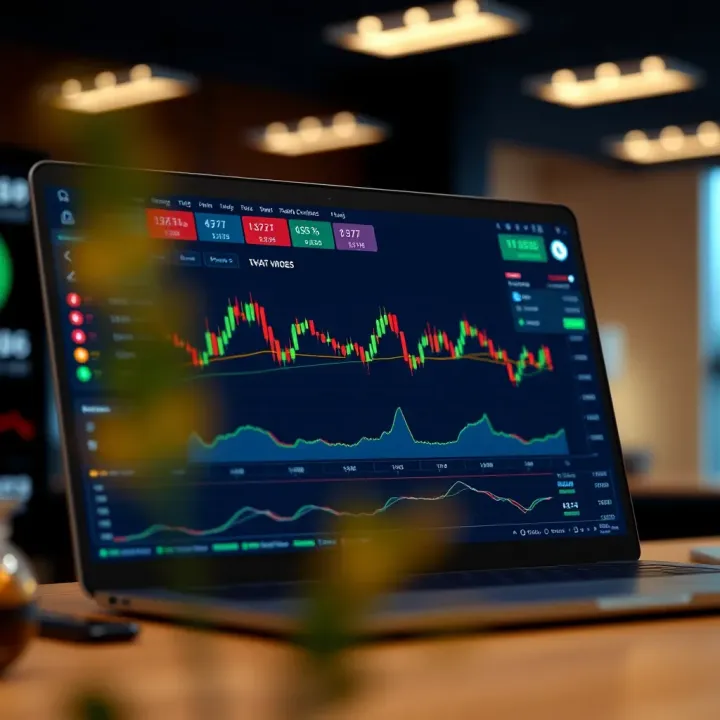
Demo trading accounts are practice accounts provided by brokers that simulate real market conditions without involving actual money. Traders in Pakistan often use these accounts to familiarise themselves with trading platforms, test strategies, and understand market behaviour without facing financial risk.
Most demo accounts offer the same features as live accounts, including access to real-time market data, various financial instruments like forex, stocks, commodities, and indices, and tools for analysis. For example, a trader using a demo account on a platform like MetaTrader 4 can place virtual orders, monitor price movements, and observe how trades react to changing market conditions exactly as they would with real funds.
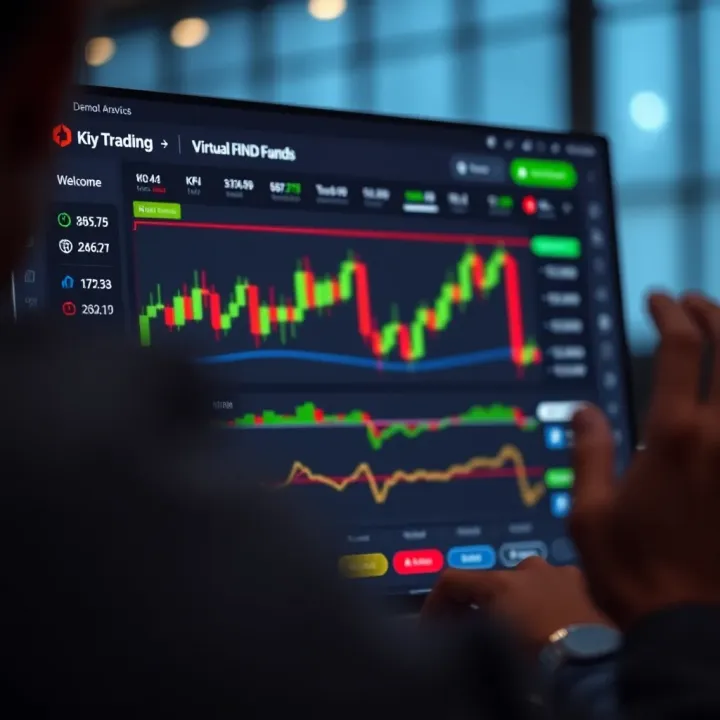
Using a demo account helps build confidence, especially for new traders who might hesitate to invest their capital without practice.
Risk-free Practice: You can experiment with different asset classes without worrying about losing money.
Platform Familiarity: Learn how to navigate trading software and mobile apps offered by brokers such as IG Markets or XM.
Strategy Testing: Before committing real funds, test technical analysis methods or automated trading tools.
Emotional Control: Practising helps develop discipline to manage impulses, crucial in volatile markets.
For example, if a trader wants to try day trading or scalping in the Pakistan Stock Exchange (PSX) context, doing it on a demo account first can prevent costly mistakes.
Virtual Balance: Typically starts with a sizeable sum like $10,000 equivalent for realistic trading volume.
Access to Markets: Includes forex pairs popular in Pakistan (USD/PKR, EUR/USD), global indices, and commodities.
Real-time Data: Prices reflect those in live markets, allowing realistic decision-making.
Order Types: Limit, stop-loss, take profit, and market orders.
Analytics Tools: Charting, indicators, and news feeds to support trading decisions.
Using a demo account regularly prepares Pakistani traders to face live markets more effectively. It is especially useful in Pakistan’s evolving trading environment where financial literacy is growing but exposure to global trading strategies varies.
In the following sections, we will discuss how to maximise the benefits of demo trading, common pitfalls to avoid, and specific considerations for Pakistani traders transitioning to live trading.
A demo trading account is a practice account that simulates real market conditions without using your own money. It's designed for traders to learn, experiment with strategies, and understand market behaviour without the risk of financial loss. For Pakistani traders, who may be stepping into markets like forex, commodities, or equities for the first time, this tool offers a safe environment to develop skills before investing real Rs.
A demo trading account provides virtual funds and access to live market data through a trading platform. Its main purpose is to let traders test their strategies, learn how orders work, and get familiar with the market’s ups and downs. Think of it as a flight simulator for pilots; it allows new traders to practise flying without the dangers. This approach helps reduce costly mistakes when moving to live trading.
While demo accounts mimic live markets, there are subtle differences in the trading environment. Real-time prices are usually accurate but don't always reflect slight market fluctuations experienced in live trading. For example, during volatile times like political announcements or SBP monetary policy decisions, live prices might jump suddenly, while demo accounts may smooth out those moves to avoid unrealistic surprises.
The key distinction lies in the absence of real financial risk in demo accounts. Since the money is virtual, traders don't experience the real emotional pressure of losing Rs. 50,000 or Rs.100,000 during a wrong trade. This lack of stress can lead to riskier trades or overconfidence that doesn’t translate well into live trading. Conversely, live trading exposes you to actual gains or losses, sharpening your discipline and decision-making.
In live accounts, execution speed and slippage affect trade outcomes significantly. Slippage means when you place an order at a certain price, the market moves before your order fills, leading to a worse price than expected. Demo accounts often show ideal execution, without slippage or delays. For instance, in Pakistan’s active hours when markets are busy, latency and slippage can cause differences between the price you see and the price you actually get. Understanding this gap is crucial before moving into live environments.
Demo accounts bridge the gap between theoretical knowledge and practical trading experience. But always remember, they can only simulate so much. Real money, emotions, and market conditions in live trading bring a different dimension.
Using a demo account effectively means acknowledging its limitations while leveraging its benefits to build a strong foundation. For Pakistani traders, this ensures a smoother transition from practice to real trading on platforms like MT4, MetaTrader 5, or local brokerage portals.
Using a demo trading account offers practical benefits that help you master market skills without risking your capital. This is especially valuable in Pakistan, where many traders are still getting the hang of different asset classes and platforms. A demo account provides a safe space to gain hands-on experience with market movements and trading tools.

A demo account allows you to learn trading basics and test techniques without worrying about losing money. For instance, if you’re new to forex trading, practising with virtual funds lets you understand how currency pairs like USD/PKR or EUR/USD react to economic news or political events. You can place various order types—market, limit, stop-loss—and see their impact in real-time, all without any financial consequences. This risk-free environment makes it easier to learn from mistakes, which quickly boosts your competence before stepping into live markets.
Many demo accounts grant access to multiple markets like stocks, commodities, indices, and forex. For Pakistani traders, this means you can explore beyond the local PSX and test trading strategies under different conditions. For example, you might want to try momentum trading on gold or swing trading on tech stocks listed internationally. This hands-on approach helps you find what suits your style best. It’s like trying various recipes before settling on your favourite dish.
Choosing the right broker can make a world of difference. Pakistani traders often use platforms offered by brokers like IG (with international reach), or local ones regulated by SECP. Demo accounts let you test platform features such as charting tools, execution speed, and order types before committing your money. You also confirm whether the platform supports local payment methods like JazzCash or Easypaisa for smooth deposit and withdrawal. Testing these aspects early saves time and frustration later when you start live trading.
Trading isn’t only about strategies; how you control your emotions matters equally. Demo accounts offer the chance to simulate real-market pressure without the stress of losing real money. You can practise sticking to your plan and managing stop-losses calmly. Over time, this builds emotional resilience, so when you switch to live trading, you’re less likely to panic during sudden market swings or resist the temptation of impulsive decisions.
Demo trading accounts are an essential tool for Pakistani traders to build skills and confidence safely before facing live markets. Their benefits extend beyond trial and error: they prepare traders mentally and technically for real-world challenges.
By making full use of demo accounts, you lay a strong foundation to improve your trading results and handle live market realities more confidently and competently.
Setting up and using a demo trading account is a crucial step for Pakistani traders to sharpen their skills without risking real money. This section explains practical ways to select the right broker, how to open the account, and techniques to maximise its benefits.
Selecting a broker regulated by a reputable authority ensures your demo trading environment reflects realistic practices. In Pakistan, although local regulation for forex brokers is limited, many traders prefer brokers regulated by international authorities like FCA (UK) or CySEC (Cyprus). Regulation helps guarantee fair practices, transparent pricing, and safety of personal information. A broker with good standing reduces chances of platform issues or misleading trade executions, which matters even in demos.
Many brokers accept Pakistani traders on demo accounts, including names like XM, FXTM, and IG Markets. These brokers offer user-friendly platforms with features suited for local traders, such as Urdu support and easy deposit methods for later live trading. Moreover, their platforms usually support both web and mobile interfaces, allowing traders to learn and experiment anytime, fitting Pakistan's growing mobile internet user base.
Opening a demo account generally requires minimal verification. While some brokers ask only for an email and phone number, others may request CNIC details or passport copies, especially when moving towards live accounts. For Pakistani traders, having the CNIC ready helps streamline future live account approval. Always use accurate information to avoid delays later, even if the demo account itself doesn’t require full verification.
Most brokers let you download a dedicated trading platform software, such as MetaTrader 4 or 5, which provides robust tools and faster execution. Alternatively, web-based platforms offer quick access without installation, ideal for practising at cafes or while travelling. Mobile apps are also popular in Pakistan, enabling traders to keep tabs on markets during daily routines, even amidst loadshedding when switching between online and offline practice scenarios.
Maintaining a trading journal is key to learning. Note details like entry and exit points, trade size, reasons for taking the trade, and emotional reactions. For example, a trader might record how fear of a sudden rupee dip influenced an early exit. Reviewing this journal helps identify patterns and mistakes, turning practice into real improvement rather than random clicking.
A trading journal turns trial and error into structured learning, speeding up your path to confidence.
To get the most from a demo account, mimic real trading as closely as possible. Avoid the temptation to be reckless with virtual money. Use the same trade sizes you plan for real investments, follow market hours of the Pakistan Stock Exchange (PSX), and consider factors like slippage and spreads. This habit prepares you emotionally and strategically for the jump to live trading, reducing shocks caused by real financial risk.
This approach ensures that when you move to live markets, your experience is not just theoretical but practically tested under conditions similar to reality. Pakistani traders who use demo accounts seriously often find smoother transitions and better outcomes.
This guide to setting up and using demo trading accounts helps you practise smartly, building the skills and discipline required for real trading success in Pakistan's financial markets.
While demo trading accounts offer valuable practice, they have certain limitations that traders must keep in mind. These constraints affect how closely demo trading reflects live market conditions, and ignoring them can lead to unrealistic expectations when moving to real trading.
Demo accounts lack the emotional challenge of risking real money. Traders often find it easier to take risks or ignore losses because they are not using their own capital. For instance, a trader in Karachi might confidently open multiple positions in a demo account, but the stress of actual PKR losses could cause hesitation or panic in live trading. Emotional control is a big part of successful trading, and this only develops with real financial stakes.
Demo platforms sometimes offer idealised execution speeds and liquidity that don't match live markets. For example, in high volatility times—say, during a major SBP interest rate announcement—real trades can face slippage or delays that a demo account won't simulate. This difference means that orders in a demo account may execute instantly and at expected prices, while live trades may experience partial fills or price changes by the time they execute.
Moving from demo to live trading brings the stress of real money losses and gains. Pakistani traders often feel this acutely since investing Rs 50,000 or more can affect household budgets. This pressure can impact decision-making, leading to premature exits or holding losing positions longer than planned. That's why starting with small amounts in live accounts helps ease traders into real market conditions while managing psychological stress.
Another challenge is aligning expectations developed in demo trading with live market realities. A trader might succeed consistently in a demo account because of the lack of emotional pressure and ideal execution, only to face setbacks in live trading. Pakistani traders should remember that trading involves ups and downs, and losses are part of the process. Setting realistic goals and understanding that profiting consistently takes time will help manage frustrations and build resilience.
Remember, a demo account is a learning tool, not a predictor of real-life trading success. Awareness of these limitations prepares you better for the challenges ahead.
By recognising these constraints, Pakistani traders can better use demo accounts to build skills while preparing mentally and financially for the transition to live trading.
Demo trading accounts are a fantastic tool for budding investors in Pakistan to learn trading without risking actual money. However, using them improperly can cause serious setbacks when switching to live markets. Being aware of common mistakes helps you get the most out of demo trading and prepares you better for real trading.
One big trap demo traders fall into is overconfidence. In a demo account, losing doesn’t hurt your pocket, so it’s easy to take more risks or ignore market signals. This mindset often leads traders to believe that success will come easily in live markets, which is far from the truth. For instance, Pakistani traders might try aggressive forex trades on platforms like MetaTrader without fully understanding volatility during Ramadan or Eid holidays, spots when markets can move unpredictably.
Remember, real money trading involves real emotions and consequences. Practices that seem foolproof in the demo might turn risky when you put actual rupees at stake.
Many demo users neglect managing trades carefully because no actual funds are involved. This leads to poor habits like ignoring stop-loss orders or increasing position sizes irresponsibly. Without strict discipline, traders won’t learn how to protect their capital. Pakistani traders must treat the demo account like a real portfolio — maintaining stop-loss limits, managing position sizing, and respecting risk-reward ratios keeps you ready for live trading.
Staying too long with demo accounts can stall progress. Some traders get stuck aiming for perfection in the risk-free zone and hesitate to jump into the real markets. This delay means missing out on invaluable experience with actual emotions, order execution delays, and liquidity issues that the demo cannot replicate.
Without moving to live trading, skills remain theoretical. A Pakistani trader might keep practising backtesting strategies on historical data without feeling the pressure that comes with real money losses or gains.
Avoiding these mistakes ensures your demo trading becomes a powerful stepping stone towards success in Pakistan’s financial markets. Focus on realistic trade management, controlled risk-taking, and timely shifts to live accounts to gain practical experience and build genuine confidence.
Learn how trading demo accounts let you practice strategies risk-free and get to know market trends in Pakistan. Start smart with confidence 💹💡.
Explore TradingView's features for traders 📈, including charting, market analysis, community tools, and integration tips tailored for Pakistan's trading scene 🇵🇰.
📈 Learn how to read and use trading charts to spot trends and patterns. Stay ahead in Pakistan's markets with practical chart insights for better trades.
📝 Learn how trading demo accounts in Pakistan help you practice strategies, avoid risks, and choose the right platform for confident market moves.
Based on 6 reviews