
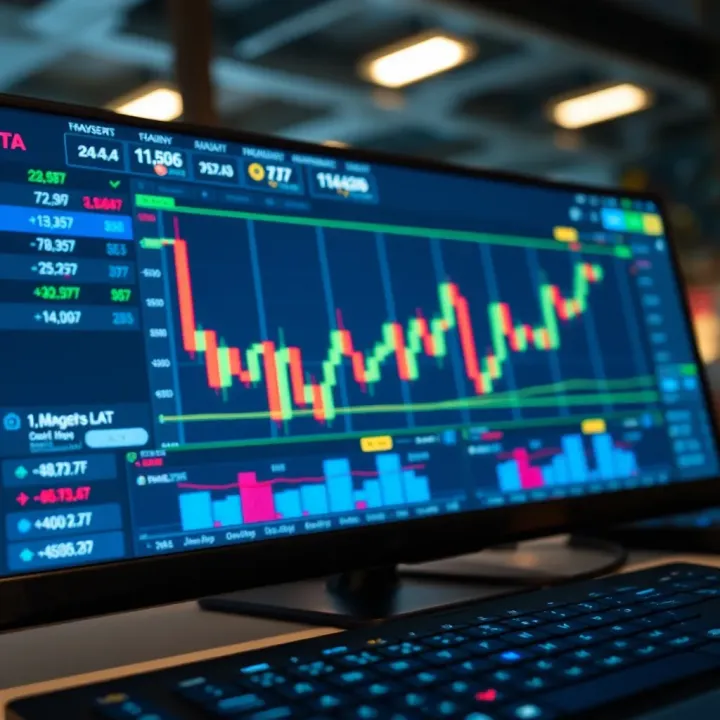
Understanding Trading Demo Accounts for Beginners
Learn how trading demo accounts let you practice strategies risk-free and get to know market trends in Pakistan. Start smart with confidence 💹💡.
Edited By
Lucas Harrison
A demo account is a simulated trading platform that replicates real market conditions without risking actual money. Pakistani traders, whether beginners or experienced ones, use demo accounts to practice buying and selling financial instruments like stocks, forex, commodities, or indices. The key advantage is learning how markets work without facing real financial loss.
Most brokers in Pakistan, including platforms like PSX and forex brokers operating under Pakistan’s regulatory framework, offer demo accounts free of charge. These accounts come loaded with virtual currency — say Rs 1 million in fake funds — allowing you to experiment with trades exactly as you would in a live setup.
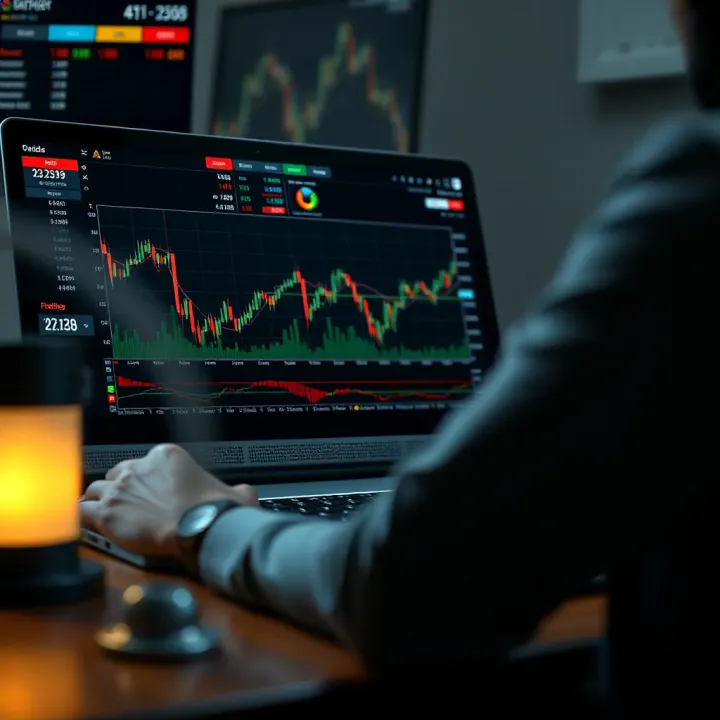
Using a demo account helps you build confidence and understand trading mechanics before risking your own money.
For example, a new trader can try different strategies for buying shares on the Pakistan Stock Exchange or attempt forex trading with the PKR/USD pair, all without risking real rupees. You can test order types, stop losses, and leverage effects safely.
Demo accounts show real-time market data and charts, so the experience reflects actual price movements, including volatility you may see due to political developments, economic news, or even unexpected events like load shedding affecting investor sentiment.
However, it’s crucial to remember that trading emotions differ when real money is at stake. Demo trading does not simulate psychological pressure, which plays a big role once actual money is involved.
In summary, Pakistani traders can use demo accounts to:
Learn platform features and how to place trades correctly
Develop and evaluate trading strategies without financial risk
Familiarize themselves with market timing and price action
Understand how fees, spreads, and leverage impact trades
Starting with a demo account is a practical step. It sharpens skills and helps avoid costly mistakes once you join live markets. Traders in Pakistan should pick brokers regulated by the Securities and Exchange Commission of Pakistan (SECP) or those following strict compliance to ensure reliable demo services.
A demo account is a practice trading account that allows traders to try out markets and trading platforms without any financial risk. It is particularly useful for beginners in Pakistan who want to get a feel of trading before risking real money. Whether it’s Forex, stocks, or commodities, a demo account provides a simulated environment closely resembling live market conditions.
Demo accounts give traders access to virtual funds that can be used to place trades exactly like real money. For example, you might start with Rs 1,000,000 in virtual balance to buy or sell currencies or shares. The idea is to let traders experiment with strategies and understand how orders, charts, and indicators work without worrying about losses.
This tool is invaluable for testing a broker’s trading platform and gaining confidence. Since Pakistan’s trading environment has many new traders shifting from traditional investment to online trading, demo accounts ease the learning curve.
The key difference between demo and live accounts lies in the real financial risk. With a live account, your own capital is at stake, making emotions like fear and greed more apparent. A demo account lacks these emotional pressures, so it’s easier to make mistakes or take risks that you might avoid when real money is involved.
Demo accounts use virtual funds, meaning the money you trade with exists only inside the platform’s simulation. This prevents any actual loss but allows full interaction with the market system. For example, if you decide to buy 1 lot of USD/PKR in a demo account, the system processes it as if real, without moving actual capital.
Market data in demo accounts usually comes from the same live feeds brokers use, including price movements and volume information. This means your trades react to real-time conditions, enabling you to get a sense of market timings and price changes.
However, the simulation’s fidelity has limits. Sometimes demo accounts don’t account for slippage or requotes, situations common in volatile markets. Also, execution speed in demos can be artificially perfect compared to live accounts, where internet issues or server delays may affect orders.
While demo accounts provide a safe, effective way to learn, they cannot replicate the emotional and technical challenges faced in live trading environments.
In summary, a demo account in Pakistan allows traders to safely explore trading platforms, test strategies with virtual funds, and familiarise themselves with live market data. Understanding these aspects prepares traders for smoother transition into real trading with full awareness of the risks involved.
Demo accounts provide a valuable stepping stone for traders before entering the live markets. They offer practical advantages that help traders sharpen their skills and evaluate trading environments without risking real money.
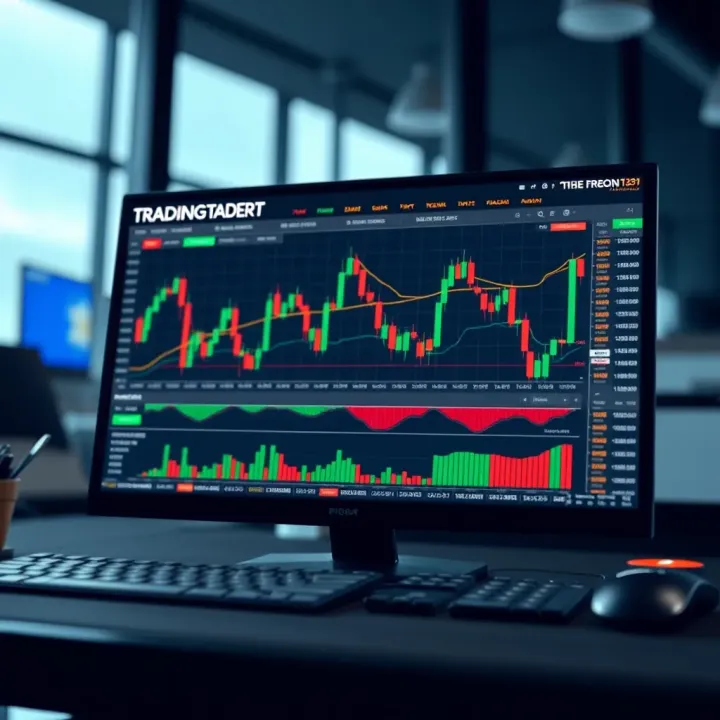
Demo accounts are perfect for trying out new trading strategies without the fear of losing actual funds. For instance, a trader in Karachi can test a scalping strategy during peak market hours to see how it performs under various price movements. This hands-on experience helps identify which approaches work and which don’t, avoiding costly mistakes later.
Getting familiar with trading platforms often intimidates beginners. Demo accounts let users explore all features—from charting tools to order types—without pressure. For example, a novice trader can spend time navigating apps like MetaTrader or local brokers’ platforms, learning to place stop-loss orders or set alerts. This makes the real trading setup less overwhelming.
Consistency and pattern recognition are key to trading success. Demo trading helps users observe how markets react during events like economic announcements or the typical bullish trends seen in PSX during good fiscal years. This deepens market understanding and prepares traders to respond purposefully.
Markets fluctuate constantly, and demo accounts allow traders to test their reactions across diverse scenarios. For example, a trader can experiment with buying stocks during high volatility or selling Forex pairs during low volume periods. This builds decision-making skills, so when real money is involved, the trader stays composed.
Demo accounts let traders compare broker conditions directly. A Karachi-based trader might notice that one broker offers tighter spreads on currency pairs like USD/PKR but another executes orders faster. These differences impact profits and costs, so testing through demos helps choose the best fit.
Good support and an easy-to-use platform matter, especially when urgent trades or issues arise. Using demo accounts, traders can evaluate how responsive brokers are to queries or technical troubles. They can also assess how user-friendly the platform is for placing orders or reading analytics, which saves time and minimises frustration.
Using a demo account isn't just about risk-free practice; it’s also a smart way to build real confidence, test strategies in realistic conditions, and find the best broker services for Pakistan’s unique trading landscape.
While demo accounts serve as a useful starting point for traders, especially in Pakistan, understanding their limitations is essential to avoid pitfalls. Demo accounts allow practice without financial risk but often fail to replicate the real trading environment fully. This can lead to misunderstandings about trading dynamics and potential overconfidence that ultimately impact performance when using live funds.
One major difference between demo and live trading is the absence of actual money risk in demo accounts. Traders can make decisions without the stress of losing Rs 10,000 or Rs 1 lakh. Without real stakes, decision-making tends to be less cautious, and the urgency to manage risks carefully is reduced. This can make demo trading feel more like a game than a serious investment activity.
For example, a trader may repeatedly enter high-risk trades on a demo account because losing virtual money doesn’t affect daily life. However, when real PKR is on the line, the fear of loss heavily influences strategy and can even lead to paralysis or overly defensive trading.
Demo accounts also lack the psychological impact of emotions like fear, greed, and anxiety. These emotions often arise when actual money is involved and can sway trading behaviour significantly. Without experiencing these feelings, traders may not develop the emotional control needed for live markets.
For instance, during volatile sessions in Karachi or Lahore markets, feelings of panic or excitement influence real traders. Demo users don’t get to experience this emotional rollercoaster fully, meaning they might struggle to stick to their trading plans or cut losses when moving to live accounts.
Many beginners in Pakistan misuse demo account success by treating it as a guarantee they will do well with real money. Good results on a demo platform can create a false sense of confidence. This can prompt traders to invest large sums prematurely, overlooking the risks that come with live market conditions, such as liquidity issues or slippage.
For example, if a demo trader repeatedly wins on a Forex platform like MetaTrader, they might jump to live trading without considering how emotions, market impact, and real transaction costs will affect outcomes.
Relying too long on demo accounts can delay the necessary step of live trading, where traders truly learn and adapt to market realities. Prolonged demo use sometimes creates a comfort zone that prevents traders from accepting the challenges that come with real investments.
In Pakistan’s market context, where fluctuating rupee value and economic shifts affect asset prices quickly, delaying live trading could mean missing out on timely opportunities and the chance to develop practical skills under actual conditions. Wise traders balance learning on demo platforms with timely exposure to live markets to build experience steadily.
Demo accounts are invaluable tools, but recognizing their limits and avoiding overconfidence are key to becoming a successful trader in Pakistan's dynamic markets.
Using a demo account effectively means treating it like a real trading environment, not just a plaything. Proper use helps Pakistani traders gain real skills, understand market behaviour, and prepare for the emotional aspects of live markets. Without deliberate practice, demo accounts become little more than virtual playgrounds offering no real benefit.
Selecting a broker with a PTA-approved trading platform is crucial for legal compliance and security in Pakistan. These platforms follow local regulations, ensuring your data and funds are protected. For example, brokers like IG Markets or local firms regulated by the Securities and Exchange Commission of Pakistan (SECP) often provide safe demo environments that mirror live trading.
Demo duration and features vary widely. Some brokers offer unlimited demo accounts, while others limit them to 30 days. More extended periods let you test strategies across different market conditions, such as volatile days or calm sessions. Features like real-time price feeds, access to various assets (forex, stocks, commodities), and realistic order execution are essential. Always check these before signing up to avoid demo accounts that don’t truly prepare you for live trading.
Taking demo trading seriously means adopting clear objectives: improving your discipline, understanding order types, or learning technical indicators. Don’t jump around without focus. For instance, try practising one strategy consistently for at least a week before adding new tactics.
Developing and testing strategies on a demo account lets you spot what works without risking money. This could involve trend following for forex pairs like USD/PKR or intraday trading on PSX-listed stocks like Engro or HBL. Keep a record of wins and losses to refine your approach critically rather than relying on instinct alone.
Maintaining a trading journal is key for effective demo use. Note why you entered or exited a trade, market conditions, and emotional state. This practice, common among professional traders, helps spot recurring mistakes and build better habits. Over time, such records reveal trends in your performance and readiness for live markets.
When transitioning to a live account, start small. Many Pakistani brokers offer micro or mini accounts requiring just Rs 5,000 to begin. This limits financial exposure while you adjust to real emotional pressures. Gradually increase your position size as confidence and skill grow. Avoid rushing or expecting identical results from demo trading, since emotions and market factors differ significantly.
Approaching your demo account with realistic goals and using it as a genuine learning tool will set you up for long-term success in Pakistan’s financial markets.
Demo accounts hold a special place in Pakistan’s trading scene, offering a safe space for traders to sharpen their skills without risking real money. Given the rise in trading activities, especially in forex and stocks, these accounts let local investors understand market mechanics and platform functionalities before stepping into live trading. The volatile markets combined with economic factors such as the fluctuating rupee and geopolitical uncertainties make demo trading a practical step for Pakistanis to get comfortable.
Options available for Forex and stock trading
In Pakistan, popular trading platforms like MetaTrader 4 (MT4) and MetaTrader 5 (MT5) provide demo accounts tailored mostly to forex trading. These platforms simulate real market conditions and allow practising with virtual currency. For stock trading, platforms such as PSX's own systems or brokers like AKD Securities provide demo options to familiarise users with equities and derivatives trading. Using these demos, traders can try different order types and strategies without the fear of loss.
Local and international brokers
Pakistani traders have access to both local brokers and international firms offering demo accounts. Local brokers such as Arif Habib Limited or JS Global provide demo setups that align with Pakistan Stock Exchange (PSX) regulations, helping users understand national trading norms. On the other hand, global brokers like IG or XM provide access to broader markets including forex, commodities, and indices, often with regulated demo platforms and customer support. This mix allows locals to decide whether they prefer national market exposure or international diversification.
Pakistan Telecommunication Authority (PTA) role
PTA plays a role in regulating online trading activities by overseeing internet and mobile network services that brokers use to offer platforms in Pakistan. Ensuring that platforms follow PTA guidelines prevents scams and illegal operations using telecommunications. For example, platforms must be accessible via PTA-approved mobile apps or websites and comply with cybersecurity norms to protect users’ data and prevent fraud attempts.
Importance of SECP regulation
The Securities and Exchange Commission of Pakistan (SECP) regulates financial markets and brokers. Demo accounts offered by SECP-licensed brokers uphold standards that protect traders from unfair practices. Checking if a broker is SECP-registered is a smart step before engaging seriously, as it confirms the broker’s adherence to transparency, capital requirements and proper client fund segregation. This oversight reduces the risk of malpractices in trading environments and boosts traders’ confidence, especially when transitioning from demo to live accounts.
Always verify that your broker is regulated by SECP and offers PTA-compliant platforms to ensure secure trading experiences.
In summary, understanding and using demo accounts effectively in Pakistan requires awareness of local platforms, market access options, and compliance with national regulations. These factors together create a safer, more informed trading environment for new and experienced traders alike.
Learn how trading demo accounts let you practice strategies risk-free and get to know market trends in Pakistan. Start smart with confidence 💹💡.
📊 Learn how to open and manage trade accounts in Pakistan, understand fees, regulations, and pick the right platform for smarter trading decisions 🇵🇰📈
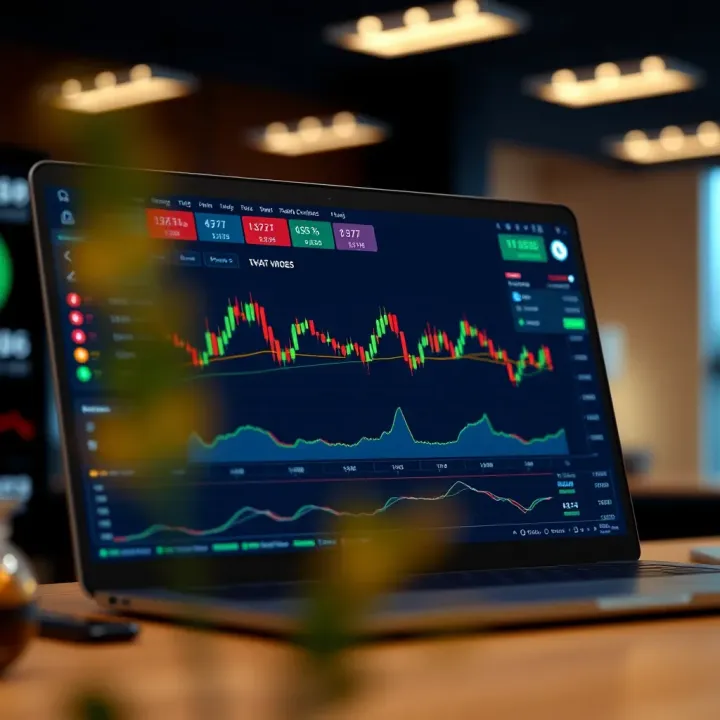
📝 Learn how trading demo accounts in Pakistan help you practice strategies, avoid risks, and choose the right platform for confident market moves.
Explore the impact and challenges of ?????? ???? in Pakistan 🇵🇰. Understand its significance and explore practical strategies for local solutions.
Based on 9 reviews