

Guide to Eye Drops: Types, Uses & Safety Tips
👁️ Discover how to choose and use eye drops effectively for dry eyes, allergies, infections & more. Learn safety tips and side effects to care for your eyes right!
Edited By
James Bennett
Charts help turn raw numbers into a clear picture. They make complex data easier to digest, especially when you want to spot trends or compare values at a glance. In Pakistan’s financial markets, for example, traders often use chart views to track KSE-100 index movements or currency exchange trends quickly.
A chart view refers to displaying data visually using various chart types like line graphs, bar charts, pie charts, and more. Each type serves a specific purpose and suits different data patterns. For finance professionals and investors, choosing the right chart type is essential to avoid misinterpretation.
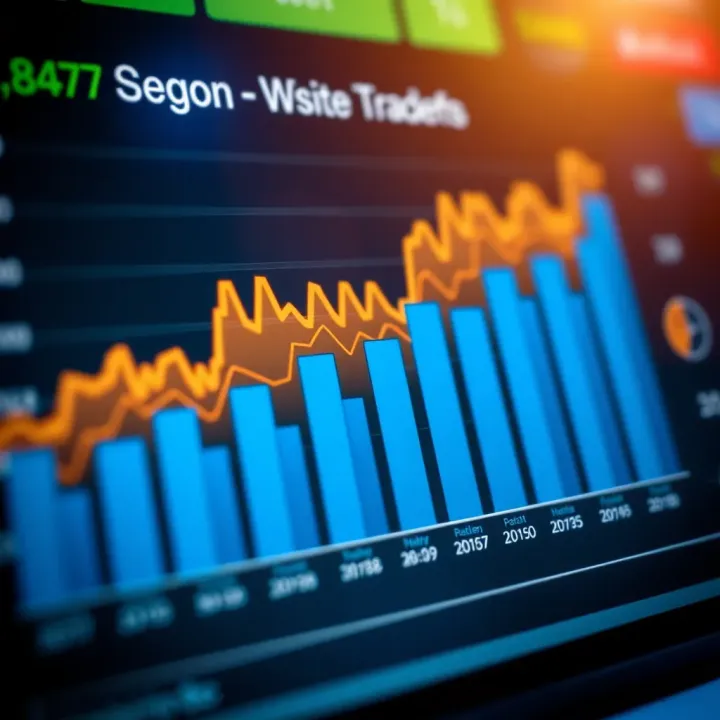
Visualising data helps you catch the story behind figures, without getting lost in spreadsheets.
Whether analysing monthly sales figures of a textile mill in Faisalabad or comparing rainfall in different provinces during monsoon, charts give a straightforward snapshot to support decisions.
Charts are not just for finance; educators in Pakistan often use them to explain exam results or demographic statistics in understandable ways. Business analysts track customer behaviour or costs using charts to improve services and profit margins.
Some common chart types include:
Line charts: Perfect for showing trends over time, such as share prices changing daily.
Bar charts: Useful for comparing quantities across categories, like sales across regions.
Pie charts: Show parts of a whole, such as market share of smartphone brands in Pakistan.
Scatter plots: Help identify relationships between variables, like advertising spend versus sales.
Understanding how to create and interpret these charts correctly is vital. Wrong scale or missing labels can mislead viewers. For instance, a chart missing clear axes might give a false impression that exports jumped dramatically, while in reality, it’s a minor fluctuation.
In short, chart views translate numbers into easy-to-grasp visuals. They support better analysis and clearer communication, making them indispensable tools for traders, analysts, investors, and educators across Pakistan’s economy and society.
Chart view refers to the graphical representation of data, offering a way to visualise numbers and trends at a glance. Instead of sifting through rows of figures, a chart translates data into shapes, lines, bars, or slices that make patterns easier to spot. For example, a stock trader tracking share prices may use a line chart to quickly see market movements over days or weeks. This simple visual approach helps turn complex data into understandable stories.
Charts clear up confusion that raw data tables often cause. When a finance analyst reviews quarterly sales figures from various regions, a bar chart can highlight which areas performed better or worse instantly. It reduces the mental effort to compare many numbers side by side. In Pakistan's corporate offices, where quick comprehension is vital, charts save precious time, avoid errors, and help spot outliers or shifts at a glance.
Decision-makers rely on timely insights rather than lengthy reports. A CEO reviewing market trends during meetings often prefers chart visuals showing sales growth or decline, rather than reading through spreadsheets. This immediacy allows rapid responses—such as adjusting production or marketing strategies based on the latest feedback. For investors watching the Pakistan Stock Exchange (PSX), having a clear chart of stock movements can mean the difference between profit and loss.
Communicating complex data to teams or stakeholders is more effective with charts. Instead of explaining percentages or ratios verbally, a well-crafted pie chart or heat map conveys the message visually and memorably. For educators teaching economics or business studies, chart visuals simplify lessons and engage students better. Similarly, government departments in Pakistan use charts to show development progress or budget allocation clearly to citizens, promoting transparency and trust.
Using chart views is not just about decoration; it's about making data actionable. In the business and financial world, where information overload is common, charts help sharpen focus and guide better choices.
Charts bridge the gap between raw data and informed action, which is why understanding their importance is fundamental for traders, analysts, educators, and decision-makers alike.
Choosing the right chart type is key to presenting data clearly and making informed decisions. Each chart serves a specific purpose, whether comparing quantities, tracking changes over time, or showing parts of a whole. Pakistani traders, analysts, and educators often rely on common chart types to highlight trends and guide strategies.
Bar and column charts are the go-to tools for comparing categories. For example, a retailer in Lahore might use a column chart to compare monthly sales of different products like mobile phones, laptops, and tablets. The vertical columns clearly indicate which product is selling better. Bar charts can also represent the same data horizontally, which is handy when category names are long or space is limited.
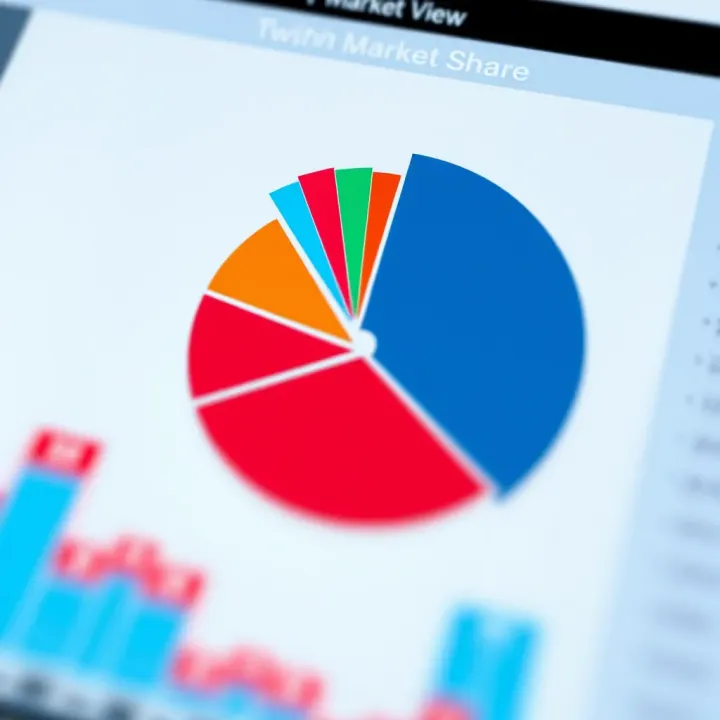
These charts help spot differences quickly. If the sales of mobile phones sharply exceed others in a quarter, the decision-makers can push promotions or stock adjustments accordingly. Their straightforward design makes bar and column charts a staple in business reports and presentations.
Line charts shine in showing how data evolves over time. A finance analyst following the Pakistan Stock Exchange (PSX) might chart the KSE-100 index across months or years. The connecting lines reveal upward or downward trends, seasonal patterns, or sudden fluctuations.
This type of chart highlights momentum and potential turning points. For instance, if the rupee-dollar exchange rate is tracked daily, a line chart can alert importers or exporters to shifts that might impact costs.
Pie charts break down a whole into slices representing shares or percentages. A government department might use a pie chart to show the distribution of budget allocations across sectors such as education, health, and infrastructure.
They provide an instant picture of proportions, although pie charts become less effective with too many slices. In Pakistan’s context, pie charts find use in education surveys, market share reports, and consumer research where understanding the relative size of each segment matters.
Scatter Plots are great for examining relationships between two variables. For instance, an agricultural researcher may plot rainfall against crop yield for different districts. Each dot shows a district’s performance, revealing if more rain generally means higher yield or if other factors interfere. This helps in identifying correlations or exceptions.
Area Charts resemble line charts but fill the space below the line, emphasising volume change over time. For example, an electricity distribution company could use an area chart to display cumulative power consumption during different seasons, highlighting peak months clearly.
Heat Maps use colour intensity to display data density or magnitude across areas or categories. A telecom company might deploy a heat map to show mobile usage by city or neighbourhood in Karachi, quickly locating high-demand zones. This visual aid helps in resource allocation and network optimisation.
Selecting the right chart type depends on the message you want to convey and the nature of your data. Using charts smartly not only aids clarity but also drives smarter decisions across business, research, and public service in Pakistan.
Creating and using chart views effectively makes a significant difference in how you communicate data insights. When done properly, charts can help traders, analysts, and finance professionals spot patterns quickly and make sound decisions. The key is not just to present data, but to do so in a way that highlights meaningful stories without confusion.
Not every chart suits every dataset. For example, if you want to compare sales figures across regions, a bar chart works best because it clearly shows differences side-by-side. However, when tracking stock prices over time, a line chart is more suitable since it emphasises trends and fluctuations. Pie charts should only be used when illustrating parts of a whole, such as market share distribution; using them for complex data often leads to misinterpretation.
Before picking a chart, ask yourself: What is the story I want to tell? Who is my audience? Clear objectives guide which chart type will present your data most effectively.
Clean, organised data is the backbone of good chart views. Begin by removing duplicate or irrelevant entries, and ensure your data is consistently formatted—dates should follow a uniform pattern, currencies need clear units like Rs or USD, and categories must be precise. For instance, in business reports covering multiple cities, make sure spelling matches exactly to avoid creating multiple bars for the same city.
Next, structure your data to match the chart’s requirements. If using Excel for a column chart, your data should have a clear header row and consistent columns for categories and values. Accurate data labels and units prevent confusion when interpreting the chart.
Microsoft Excel remains the go-to tool for many professionals in Pakistan. Its wide functionality supports diverse chart types, from simple bar charts to complex pivot charts. Excel’s features like conditional formatting and dynamic ranges help in preparing data and updating charts swiftly, especially handy for financial analysts monitoring daily stock movements. For example, a stockbroker can track Karachi Stock Exchange (KSE-100) trends by linking live data to Excel charts.
Google Sheets offers flexibility through cloud access, allowing teams across different cities like Lahore and Islamabad to collaborate on reports in real-time. Its integrated chart tools are surprisingly capable, with features to customise colours and labels easily. For startup founders or educators, Google Sheets removes the hassle of emailing files back and forth and keeps everyone on the same page – literally.
Local Data Platforms such as Tableau Pakistan or data.gov.pk provide specialised dashboards tailored for larger datasets and government use. These platforms support multi-layered charts and interactive filters, making them valuable for decision-makers in public sectors or large corporations. For instance, WAPDA could use such tools to monitor electricity consumption patterns across provinces, enabling efficient load management.
Effective chart creation combines the right tools, clean data, and thoughtful chart selection to deliver actionable insights swiftly and clearly.
Using these steps and software not only improves data clarity but also boosts confidence in the conclusions drawn from charts. Whether you are preparing monthly sales reports, conducting research, or simply analysing market trends, mastering these basics will make your data work harder for you.
Understanding how to read and interpret chart views properly is essential for anyone relying on data to make financial or business decisions. Charts are not just pretty visuals; they carry meaningful patterns that point towards trends, risks, and opportunities. In Pakistan's fast-changing markets, being able to decode these patterns helps investors, analysts, and managers act wisely and ahead of time.
The core benefit of charts lies in revealing data trends more clearly than tables or reports. For example, a line chart showing Pakistan Stock Exchange's KSE-100 index over six months can immediately indicate whether the market is bullish or bearish. Recognising upward or downward trends, seasonal cycles, or sudden spikes equips traders to time their moves better.
Additionally, spotting recurrent patterns such as sales increases during Ramazan or drops during monsoon season helps businesses plan stock and marketing activities. When you break down a bar chart of monthly electricity consumption from WAPDA, you might notice peaks coinciding with load shedding periods, informing strategies for backup power.
Moreover, scatter plots or heat maps can highlight clustering or concentration of variables, such as customer locations in Lahore or Karachi for distribution optimisation. Paying attention to scale and axis labels ensures you understand the exact magnitude, not just the shape of trends.
While charts simplify data, they sometimes mislead if not read carefully. A common mistake is ignoring the axis scale, especially when it’s compressed or uneven. For instance, a pie chart showing market shares among Pakistani telecom providers may exaggerate one company's size if percentages do not add up correctly or if segments are not labelled precisely.
Another pitfall is overgeneralising trends without considering external factors. A sudden sales spike might be due to a one-off government subsidy or policy change, not sustainable growth. Analysts should question anomalies and check underlying data before concluding.
Also, confusing correlation with causation is frequent. For example, seeing a rise in dairy product sales alongside increased milk prices does not imply higher prices caused more sales—it may reflect seasonal demand or festivals like Eid.
Always cross-verify chart data with context, raw numbers, and reliable sources such as SBP reports or FBR statistics.
Being alert to chart type suitability helps as well. A pie chart suits proportion data but fails to show evolution over time, which calls for a line or area chart instead.
Interpreting chart views thoughtfully makes data-driven decisions less guesswork and more grounded in fact. That is particularly vital in Pakistani markets known for volatility and surprises, where clear insights can distinguish success from loss.
Chart views play a significant role in translating complex datasets into clear visuals, making them invaluable across various sectors in Pakistan. These graphical representations help businesses, researchers, and government entities to communicate insights efficiently, make informed decisions, and track progress. Understanding chart views' practical use within local contexts enhances their effectiveness, especially when tailored to Pakistani data challenges and demands.
In Pakistan's business environment, chart views simplify financial reporting and performance analysis. Companies frequently use bar and line charts to track sales trends, revenue growth, and expense patterns over months or quarters. For example, textile exporters might present monthly export volumes alongside global demand trends to forecast production needs. Likewise, stock market analysts turn to candlestick charts and volume graphs for KSE-100 index insights, helping investors time their trades better.
Chart visualisation also assists in budgeting and forecasting by showing projected versus actual figures clearly. Banking institutions like HBL and MCB often use pie charts to represent loan portfolio distributions by sector, which helps in risk assessment. These visual tools make it easier for managers and stakeholders to spot anomalies and emerging opportunities without wading through endless spreadsheets.
Chart views are vital in Pakistan's education and research sectors for presenting findings with clarity. Students preparing for MDCAT or ECAT often use charts to summarise complex biological data or physics trends. Educational boards and HEC-recognised universities use statistical charts to show enrolment figures, pass rates, and grade distributions, supporting policy decisions and academic improvements.
Researchers use scatter plots and heat maps to visualise correlations and geographical data, such as disease outbreaks or rainfall patterns in Punjab and Sindh. These visuals assist policymakers and NGOs in designing targeted interventions. By integrating local data sets with charts, Pakistani academia ensures practical knowledge reaches decision-makers promptly.
Chart views also influence daily life and public administration across Pakistan. For instance, WAPDA uses line charts to monitor electricity supply and loadshedding schedules, helping consumers anticipate outages. Transport networks like Careem and Bykea analyse demand curves and traffic heat maps to optimise routes and reduce wait times.
Government bodies use charts in public health campaigns, showing vaccination rates across districts to identify low-coverage areas. Similarly, agricultural departments present crop yield data via charts to inform farmers about best planting times and expected outputs. These practical applications make data-driven governance accessible and transparent for citizens.
Properly utilised chart views empower sectors across Pakistan by turning raw data into actionable insights. Their role is especially crucial where quick comprehension fuels better decisions and efficient resource use.
In summary, whether in managing business finances, advancing education, or improving government services, chart views provide a powerful bridge between numbers and understanding, tailored to meet Pakistan's unique needs.
👁️ Discover how to choose and use eye drops effectively for dry eyes, allergies, infections & more. Learn safety tips and side effects to care for your eyes right!
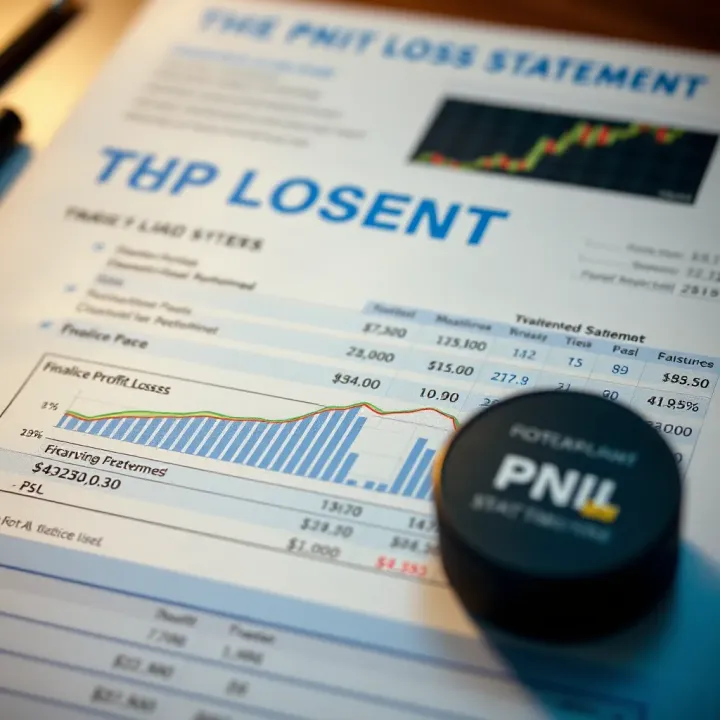
📊 Understand PNL: Learn what it means, why it matters, and how to read PNL statements with tips tailored for Pakistani readers and beyond.

📈 Explore Trade View’s key features and tools tailored for Pakistan traders. Learn to analyze markets and boost your trading strategies confidently.
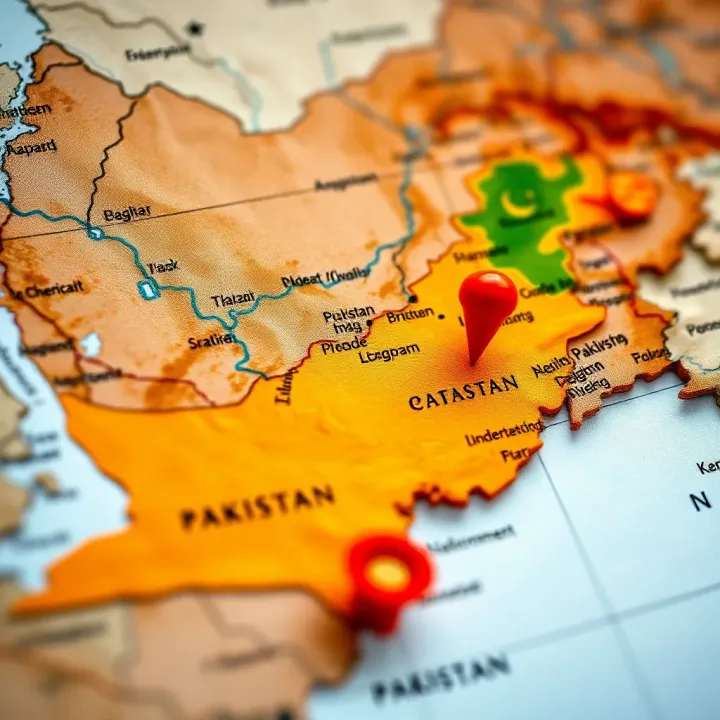
Explore the impact and challenges of ?????? ???? in Pakistan 🇵🇰. Understand its significance and explore practical strategies for local solutions.
Based on 9 reviews