

A Practical Guide to Cryptocurrency Trading in Pakistan
Learn how to trade cryptocurrency in Pakistan with easy steps, smart strategies, and key legal tips. Stay safe while navigating the crypto market! 🚀💰🇵🇰
Edited By
James Thornton
Trading signals on Telegram have become quite the buzz in Pakistan’s trading circles. But why? Simply put, these signals offer traders a shorthand to potential market moves, cutting through complex charts and trends. Whether you’re juggling a full-time job or just starting out, getting a signal straight to your phone can feel like having a seasoned trader whispering tips in your ear.
In this article, we’ll break down how these trading signals actually work, weigh their benefits and pitfalls, and talk about how you can pick channels that don’t send you down the wrong track. We’ll also take a closer look at the types of signals you might encounter and share some practical steps on how to fold these into your trading game without flying blind.
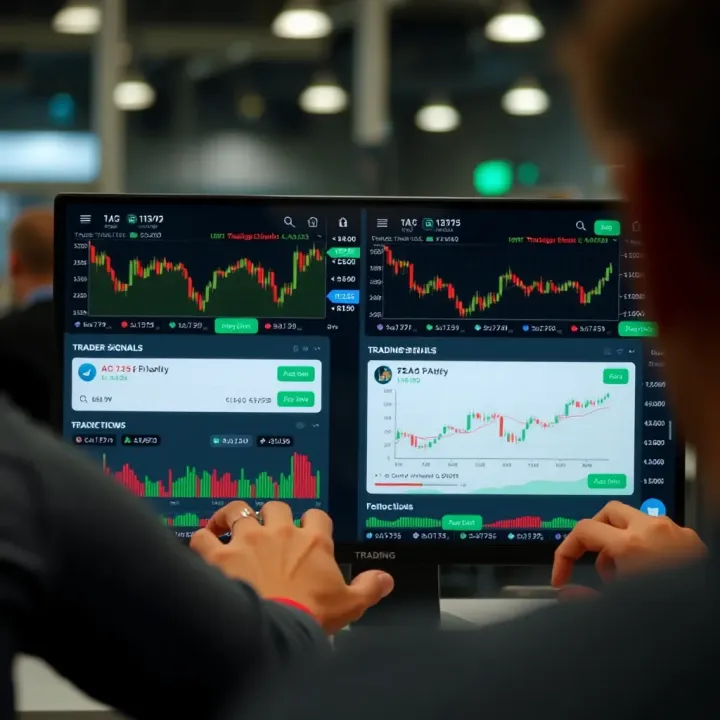
What makes this guide a bit different? We zone in on the Pakistani market, taking local trading habits, regulations, and platforms into account. This way, whether you're eyeing the KSE-100 index or dipping your toes into Forex and commodities, you’ll get the scoop that actually matters.
Remember, trading signals aren't magic bullets. They’re tools — and like any tool, their value depends on how you use them, not just having them.
By the end, you should feel more confident about whether and how to rely on these Telegram signals, dodging common traps and blending their insights with your own strategy. Let's get started.
Trading signals are like the breadcrumbs traders follow to make decisions in the complicated forest of financial markets. They offer specific advice or alerts on when to buy or sell particular assets. Telegram, a messaging app popular worldwide, has become a hotspot for sharing these signals because of its speed and ease of use.
For traders in Pakistan, understanding what trading signals on Telegram really mean can be a game changer. This is not just about blindly following tips; it's about recognizing how these signals fit into your trading style, helping to speed up analysis and sometimes even teach you the ropes. We'll dig deeper into what these signals consist of and why Telegram is the go-to platform for many, especially those juggling fast markets and busy schedules.
At their core, trading signals are alerts or suggestions based on market analysis that tell you when to enter or exit a trade. These signals might focus on currency pairs like USD/PKR or commodities like gold or oil. The key is that they save time—you don’t have to stare at charts all day trying to figure out when to move. Signals come with details like entry price, target profit, and stop-loss, giving a clear roadmap.
Trading signals take the guesswork out of when to jump in or out of the market. Imagine you’re tracking the Pakistan Stock Exchange but can’t monitor every minute; signals provide timely alerts, so you catch opportunities without missing the boat. They help especially new traders by showing examples of market setups and strategies in real-time. But, keep in mind, signals are tools—not magic. Combining them with your own judgment is step number one to avoid costly mistakes.
Manual signals are crafted by professional traders who analyze market conditions and then share their insights. Think of them like a seasoned fisherman telling you where the fish are biting. Automated signals, on the other hand, are generated by computer programs or bots using set formulas and algorithms. They work 24/7 and react instantly to market moves, but sometimes miss the nuances a human would catch. Each has its trade-offs: manual signals might have that human edge, while automated ones deliver speed and consistency.
Telegram shines because it’s fast, supports large groups or channels, and allows for easy sharing of multimedia like charts, videos, and voice notes. Unlike WhatsApp, it can handle thousands of members without slowing down. Plus, messages don’t get lost in endless threads because you can pin important posts. And the app's privacy features let traders stay anonymous while still sharing valuable information.
One big reason Telegram is a hit trading platform is its community-driven nature. Channels and groups are often organized by market type, trading style, or even language. For example, Pakistani traders might join channels that cater specifically to the PKR forex pairs or local market news. These communities offer more than signals—they provide discussion, debate, and support, which helps members improve their craft and avoid costly traps.
Telegram trading channels act like digital trading floors where topics, charts, and tips come together quickly and clearly, which is exactly what traders need in fast-moving markets.
Overall, knowing what trading signals on Telegram are and why so many traders flock there sets the foundation for using them effectively and safely. Next, we’ll explore the different types of signals you can expect to find and what suits your trading style the best.
Trading signals on Telegram come in many flavors, and understanding the types is vital for picking the right ones to follow. These signals help traders spot opportunities in the market without having to analyze every tiny price movement by themselves. Telegram’s environment makes it easy to access diverse signals ranging from technical setups to more news-driven calls. This section breaks down the main kinds of trading signals you’ll encounter and how they can fit into your trading toolkit.
Technical analysis signals mostly use price data and trading volumes to predict future market movements. Typical indicators include the Relative Strength Index (RSI), Moving Averages (like the 50-day and 200-day), and MACD (Moving Average Convergence Divergence). For example, an RSI above 70 might suggest a stock is overbought, prompting a sell signal shared in a Telegram group. Signals often combine indicators to increase accuracy, such as waiting for an RSI drop below 30 along with a moving average crossover to signal a buy.
Traders on Telegram commonly share signals based on chart patterns like Head and Shoulders, Double Tops/Bottoms, and flag patterns. These setups often indicate trend changes or continuations. For instance, spotting a bullish flag on a crypto chart might trigger a “buy” alert. Another popular example is when a price breaks out above a resistance line, which you might see flagged as a breakout trade. These patterns help traders understand where momentum is headed without digging in too deep themselves.
Fundamental analysis signals focus on how events like earnings reports, economic data releases, or geopolitical developments impact asset prices. Traders who follow fundamental signals get alerts when a significant event occurs—for example, a surprise interest rate cut, a new government policy affecting a sector, or earnings beating expectations. These signals are slower paced compared to technical ones but can lead to big, sustained moves.
Some common fundamental signals include:
Earnings announcements that beat or miss forecasts
Central bank decisions on monetary policy
Trade war updates or sanctions news
Commodity supply disruptions affecting prices
Telegram channels might send signals like, "Oil prices to surge after refinery outage," indicating potential buying opportunities in energy stocks or futures. These signals require traders to keep tabs on global events beyond charts.
Automation is big in Telegram signal channels. Bots scan markets using pre-set algorithms and instantly share signals when criteria are met. They can spot very short-term trades or even scalp setups that human eyes might miss. This speed and consistency make bot-generated signals popular for busy traders. For example, a bot might send a "buy" alert whenever the 5-minute MACD turns bullish on Bitcoin.
On the flip side, many Telegram channels are run by experienced traders who analyze the market themselves and handpick signals. These signals come with explanations, sometimes even charts and reasoning. This human touch can give signals more context, helping traders understand the "why" behind the call. A trader-curated signal might notify you about entering a position based on a combination of technical setups, news, and overall market sentiment.
Remember, whether a trading signal is automated or manual, it's crucial to use it as one piece of the puzzle—combining it with your own analysis improves your chances of success.
Getting a good grasp of these types will help you choose signal channels that suit your style and risk tolerance. Telegram offers a smorgasbord of signals; recognizing the differences is your first step toward smarter trading.
Choosing the right trading signal channel on Telegram is like picking a good fishing spot—you want a place that's proven to deliver, not just promising the biggest catch every time. Given the sheer number of channels out there, some more reputable than others, knowing how to separate the wheat from the chaff is essential to avoid costly mistakes. Reliable channels not only save time in market analysis but also protect traders from false leads and scams.
A reliable trading signal channel typically displays a clear track record. This means they openly share past performances, including both wins and losses, rather than only showing cherry-picked successful trades. For example, some channels regularly post monthly summaries outlining their signal hit rates. A transparent channel might also clarify their trading strategy or indicators used, so you understand where the signals come from.
Transparency is a hallmark of trust; if a channel hides important details or promises secret formulas, it’s a warning sign. Verified real-time updates, easy-to-access archives of previous signals, and prompt responses to queries reflect seriousness. Look for channels that admit a percentage of failed trades—it means they're honest and do not sugarcoat outcomes.
Don't just take a channel’s word on performance stats; dig into the numbers yourself when possible. Some Telegram channels share screenshots or links to trades executed through popular platforms like MetaTrader 5, showing entry and exit points. You can compare those signals to market movements to verify accuracy.
Practical steps include tracking a channel’s signals for a trial period using a demo trading account. This hands-on approach helps you see if their recommendations truly work in live conditions or if they’re overly optimistic. Metrics like win rate, risk-to-reward ratio, and consistency over time paint a clearer picture of reliability beyond flashy claims.
If a channel guarantees 100% success or guarantees you’ll "get rich quick," it’s a red flag waving loudly. Trading inherently carries risks, and no strategy or signal can promise constant wins. Channels making such claims often prey on inexperienced traders looking for easy money.
Beware of exaggerated language like "triple your money overnight" or "never lose with us." Learning to spot this hype protects you from falling into traps where losses outweigh gains. Genuine channels set realistic expectations and remind users to practice sound risk management.
The absence of a clear, logical approach behind signals is another warning sign. Reliable providers explain which analysis methods they use—be it moving averages, RSI levels, or news-based fundamentals. If a channel just posts entry prices and stop-loss points with no reasoning, it’s tough to trust their calls.
Knowing the "why" behind signals helps traders learn, test, and decide if those signals fit their own style. When methodology isn't shared, it’s like driving without headlights—potentially dangerous. Always prioritize channels revealing how signals are generated and the conditions needed for signals to trigger.
Pro tip: Always start with channels showing honesty in their performance and realistic claims. Use demo accounts to test signals before risking real money.
Identifying reliable trading signal channels on Telegram takes patience and due diligence, but it’s vital. By evaluating credibility and spotting warning signs, traders, especially in the Pakistani market, can make smarter choices, minimize losses, and gain valuable insights into market trends.
Using trading signals from Telegram offers several practical benefits, especially for busy traders or those still learning the ropes. These signals act like shortcuts, helping traders save time and make better-informed decisions without getting lost in endless charts and data. For Pakistani traders juggling day jobs or other commitments, relying on Telegram signals can be a game-changer to stay updated and react quickly to market changes. Beyond just convenience, signals also serve as educational tools to boost a trader's skill set, making them valuable beyond the potential profits.
Market analysis can feel like trying to find a needle in a haystack. For many, spending hours interpreting charts, indicators, and news isn’t practical. Trading signals distill all that complexity into clear alerts, highlighting what matters—whether it’s a buy recommendation, stop loss, or profit target. Instead of piecing together the puzzle bit by bit, a signal gives you a snapshot of the best moves based on technical or fundamental analysis already done by someone else.
For example, instead of manually watching the Karachi Stock Exchange for every subtle shift, a trader can follow a Telegram channel that signals when a stock like OGDC shows an upward breakout according to RSI or MACD indicators. This saves the hassle of monitoring multiple platforms and frees up time for other tasks.
One big appeal of Telegram trading signals is that they come in a ready-to-use format—instant alerts, usually concise and easy to understand. No digging through lengthy reports or confusing graphs. Traders get straightforward information, like “Buy 100 shares of PSX at 86.5, stop loss 85, target 90.” This kind of clarity allows even beginners to act quickly without second-guessing.
Moreover, Telegram’s instant notifications mean signals land right on your phone or computer, helping you beat the competition who might be slower to react. It’s like having a trading assistant keeping an eye on the markets for you 24/7, even if you’re away from your desk.
For those new to trading, jumping straight into markets without guidance can feel overwhelming. Telegram signals often come with explanations or examples that show the reasoning behind each call. Learning to recognize patterns like head and shoulders or candlestick reversals through real alerts helps novices see theory in action.
Take a channel that sends signals based on news events, such as a rising crude oil price impacting Pakistan’s energy stocks. Seeing how a sudden geopolitical event triggers a buy signal in a timely manner teaches traders about the connection between fundamentals and price movements. This hands-on type of learning is often more effective than just reading textbooks.
Beyond immediate trades, following reliable Telegram signals helps traders gradually sharpen their market sense. By seeing patterns repeated and observing what signals lead to successful trades or losses, users develop intuition over time. They start to question signals, cross-check with other indicators, and eventually build confidence to place trades independently.
Also, experienced traders sometimes share detailed analysis alongside signals, imparting wisdom that can only come from years on the floor. This mentorship-like aspect of some Telegram groups can be invaluable, especially in Pakistan’s growing but still somewhat informal trading community.
The key is to see trading signals on Telegram not just as orders to follow blindly, but as continuous lessons woven into the fast-moving markets. This approach helps traders maximize both profits and knowledge.
Trading signals on Telegram can be a useful shortcut for traders looking to catch market movements quickly. However, it's not all smooth sailing—there are real risks and challenges you need to keep in mind before diving in headfirst. Telegram, because of its open and easy-to-use platform, attracts a variety of signal providers, not all of whom are trustworthy. This environment makes it all too easy for misinformation and scams to proliferate.
Plus, relying purely on signals without developing your own understanding can hurt your ability to judge markets independently. Let's explore these issues to help you stay ahead and protect your trading capital.
One of the biggest red flags when using Telegram trading signals is the prevalence of scams and misinformation. The allure of easy profits pushes some providers to make unrealistic claims.
Promises that sound too good to be true: If a channel guarantees 100% returns or no losses, that's a huge warning sign.
Lack of transparency: Trustworthy channels usually provide historical performance data or explain their strategy clearly. If the methodology is secretive or vague, be cautious.
Pressure tactics: Scam channels often push you to buy premium memberships quickly or make trades immediately.
Anonymous or unverified admins: Channels run by unknowns without a proven track record should raise eyebrows.
By watching out for these signs, you protect yourself from falling into traps that can drain your funds.
Pump and dump schemes: Some groups will hype a little-known asset to drive up the price, then sell off their holdings, leaving followers with losses.
Fake testimonials and manipulated screenshots: Scammers fabricate success stories to lure more subscribers.
Subscription traps: Charging high fees for signals that never materialize or are outdated.
Copy-paste signals with no real analysis: Signals recycled from other sources without fresh insight or context.
Knowing these common tactics helps you remain skeptical and demand proof before trusting any advice.
Overreliance on trading signals can also be a silent danger. If you just follow signals blindly, you’re missing out on learning how to navigate markets yourself.
Relying heavily on others’ signals can:
Erode your trading skills: You stop practicing your own analysis, which is crucial for long-term success.
Increase vulnerability to bad advice: Signals are not foolproof, and bad calls can hit your account hard if you don’t question them.
Cause emotional dependency: When signals fail, traders might panic or abandon their strategy altogether.
It's vital to maintain a healthy dose of skepticism and always analyze signals based on your own research:
Cross-check signals with charts and news before acting.
Use signals as one input among many, rather than gospel.
Keep a journal to track which signals worked and why, to improve your judgment.
Ultimately, signals should support your decisions, not replace them. Developing critical thinking helps you stay in control and avoid costly mistakes.
In the end, Telegram trading signals offer opportunities but come wrapped in challenges you can’t ignore. Being aware of these risks and using signals thoughtfully will make your trading safer and smarter.
Trading signals can be a great tool, but to really get value from them, you need to use them smartly alongside your own strategy. Blindly following every tip can lead to losses, especially in volatile markets like Pakistan's, where economic news can shift things fast. This section digs into practical ways to blend trading signals with your personal analysis and how to manage risks and expectations so you trade wisely, not just reactively.
Signals are like heads-up alerts, not final call cards. Before acting on a buy or sell tip, take a moment to confirm it with your own research. For example, if a signal suggests buying the Pakistan Stock Exchange index futures, look at recent price charts, check volume changes, and even review any local news that might impact the market. This personal verification prevents knee-jerk reactions to false or outdated recommendations.
Good traders often cross-check signals using basic tools like candlestick patterns, support and resistance levels, or even recent earnings reports. Remember, Telegram groups can be quick to post signals during hype, but your own research grounds your decisions in reality.
Relying on just one signal or indicator is like judging a book by a single chapter. A more effective approach is to combine multiple indicators to build a stronger case for a trade. For instance, if a Telegram signal recommends entering a trade based on the RSI (Relative Strength Index) pointing to oversold conditions, try to confirm that with MACD (Moving Average Convergence Divergence) and moving averages to see if momentum and trend align as well.
By layering indicators, you reduce the chance of false signals leading to losses. Traders in Karachi and Lahore often watch multiple timeframes—like a daily chart combined with a 1-hour chart—to get a clearer picture. This layered approach gives more confidence before making a call.
Smart traders don’t hope for the best and pray for the worst. Every signal you act on should come with a clear plan for cutting losses and taking profits. A stop-loss order limits how much you can lose if the market moves against you—think of it as an insurance policy.
For example, if a signal suggests buying a stock at 1000 PKR expecting a rise to 1100 PKR, set your stop-loss at something like 970 PKR to keep losses manageable. Similarly, define your take-profit level where you’ll secure gains before the market reverses. Telegram signals sometimes give these levels, but if they don’t, define your own based on support/resistance zones or percentage-based limits.
This one is tough but vital. Markets can get choppy, especially around news events in Pakistan or during earnings season. When your signals don’t pan out immediately, it’s easy to panic or get greedy. Sticking to your preset stop-loss and take-profit points helps keep emotions out of the picture.
Experienced traders often recommend stepping away from the screen during volatile phases instead of tweaking exit points repeatedly. Keeping a trading journal where you note down why you took each trade, based on which signals and personal checks, also helps in reflecting later to improve your strategy.
Staying disciplined with your use of signals—by confirming them, combining indicators, managing risk, and controlling emotions—turns these alerts into useful tools rather than mere noise.
Using trading signals as part of a well-thought-out strategy improves your chances of success. It’s not about chasing every tip but about balancing signal alerts with your knowledge and a smart approach to risk. That’s how you can make signals work in your favor instead of against you.
In Pakistan's growing trading community, the choice of trading signal channels on Telegram makes a significant difference. Traders look for channels that not only provide reliable signals but also understand local market dynamics, helping them make well-informed decisions. Given the diversity of financial products—from forex pairs to Pakistani stocks—the relevance of these channels lies in their ability to deliver timely, actionable insights tailored for Pakistani traders' unique needs.
When selecting a signal channel, traders often lean towards those with a proven track record. For instance, channels like "PakForexSignals" and "InvestSmartPK" have built reputations by consistently sharing signals backed by transparent performance stats. This transparency lets traders verify historical success and gain confidence before acting on the advice.
Equally important is the community feedback. Active Telegram groups and channels with engaged users provide real-time discussions, signal validation, and experiences that can serve as a reality check. For example, a Telegram channel that actively shares both wins and losses—and encourages questions—shows maturity and honesty, which is critical for gaining trust in a market where scams circulate freely.
Regular feedback loops between signal providers and their audience create a more trustworthy trading environment, helping Pakistani traders weed out unreliable sources.
Localized content is a major selling point. Channels focusing on Pakistani market specifics, like the Pakistan Stock Exchange (PSX) or Pakistan Rupee (PKR) exchange trends, catch more attention. They don’t just regurgitate generic global market signals; instead, they zero in on local economic events, government policies, or currency shifts impactful to Pakistani investors.
Accessibility in language also matters a lot. Channels offering content in Urdu or simplified English make trading signals graspable to a wider demographic. This accessibility helps new and intermediate traders who might find technical jargon from international channels overwhelming. A notable example is "BazaarSignalsPK," which combines Urdu explanations with charts and entry/exit points, striking a balance between usability and depth.
To sum up, popularity grows for signal channels that blend verified performance, community engagement, local market focus, and accessible language. Pakistani traders should prioritize these traits while tuning their trading decisions to avoid risks and maximize potential gains.
When using trading signals on Telegram, especially in a bustling market like Pakistan, it’s not just about following tips blindly. There’s a legal and ethical landscape that must be navigated carefully. These considerations aren't just formalities; they play a big role in protecting both the providers who share signals and the traders who rely on them.
Signal providers need to stay within regulatory frameworks established by financial authorities, ensuring transparency and fairness. On the other hand, traders have a responsibility to use signals wisely and ethically, respecting market integrity and not abusing these tools for manipulation or unfair advantage. This balance helps keep the trading environment trustworthy and sustainable.
Telegram signals providers in Pakistan often fall into a gray area regarding regulations. However, many countries, including Pakistan’s Securities and Exchange Commission, expect providers to disclose risks and be transparent about their methods. This means signal providers should clearly explain where their recommendations come from—be it technical analysis, algorithmic tools, or insider insights—without hiding behind vague promises.
For practical purposes, a channel should list past performance openly, include disclaimers about potential losses, and avoid guaranteeing profits. Such transparency safeguards traders by making sure they’re not stepping in blind. As a trader, always seek providers that openly share their strategy and past results, even if they’re not flawless.
Ignoring these regulations can lead to serious consequences for signal providers, including fines and bans from operating. For traders, following signals from illegal or unlicensed providers can backfire badly—think lost money or even involvement in fraudulent schemes.
Additionally, if a provider uses inside information unlawfully or manipulates signals to benefit themselves at others’ expense, legal action becomes a real risk. For example, if a provider issues misleading signals that cause market disruption, they might face penalties under financial laws.
Staying on the right side of the law isn't just about compliance—it’s about protecting your trading capital and peace of mind.
Ethical signal sharing means being clear and honest about success rates and losses. Channels that only trumpet wins while hiding losing trades distort reality and mislead followers. A good channel will report both sides honestly, helping traders grasp the realistic outcomes.
This practice builds trust and allows traders to make informed decisions instead of chasing unrealistic dreams fueled by cherry-picked results. For instance, if a channel reports a 70% win rate, it should back this up with detailed past signals and their outcomes.
Traders also must play their part. Reliance on signals without understanding the rationale behind them can dull your trading skills and leave you vulnerable. Ethical trading means using signals as a tool, not a crutch.
Always cross-check signals with your own research and maintain a healthy skepticism, especially with free or suspiciously perfect channels. Taking full responsibility for your trades and managing risk with stop-loss orders or proper position sizing is crucial. Remember, a signal provider gives you a head start, but the final decision and consequences rest with you.
By keeping these legal and ethical factors in mind, Pakistani traders can navigate the busy Telegram space more safely and effectively, avoiding common pitfalls and scams while building genuine trading expertise.
When you’re serious about trading, relying solely on Telegram can feel like putting all your eggs in one basket. The market moves fast, and signals from multiple sources can give you a broader perspective and help mitigate risks. Exploring alternative sources outside Telegram can expose you to different analysis methodologies and possibly more regulated environments. This is especially relevant for traders in Pakistan, who may want to balance convenience with legitimacy and robust support.
Brokerages and trading platforms often provide their own trading signals or alerts based on proprietary algorithms, expert analysis, or a combination of both. These signals are usually integrated directly into the trading platform so you can act on them immediately without switching apps. For example, platforms like MetaTrader 4 or 5 offer signal services where you can subscribe to professional analysts' trades or automated systems monitored by the broker. The advantage here is that these signals come from a regulated source with transparent track records, and you have the security of dealing with an established financial entity.
While Telegram signals can be quick, community-driven, and sometimes tailored to local markets such as Pakistan’s, they often suffer from a lack of oversight. Signals from brokers tend to be vetted and come with detailed disclaimers, charts, and explanations. They might not be as numerous or as instant as Telegram’s real-time alerts but have the strength of reliability and fewer scams. A major drawback though is that broker signals often require you to stick to their specific platforms, which may limit your flexibility.
Subscription-based providers typically offer curated signals for a monthly fee, promising higher quality and more personalized alerts than free channels. Examples include services like Trading Central or Autochartist, which offer detailed technical insights and alerts across various assets. The advantage is a structured, professional approach that many free Telegram groups can’t match. However, the challenge is that even paid services aren’t foolproof — they can be expensive, and there’s no guarantee of profit. Some providers oversell their track record or drown you in too many signals, making it hard to act decisively.
Before signing up, look for transparent track records with third-party verification and reviews from independent forums or trusted trading communities. Check if the provider explains its methodology – is it purely algorithmic, or is there human expertise involved? Also, consider whether they offer trial periods or money-back guarantees. For Pakistani traders, pay attention to currency compatibility and customer support availability during local working hours. Never rush in; treating subscription services as one part of a diversified trading plan usually works best.
Remember, the goal isn’t to blindly follow signals but to use them as tools paired with your analysis and risk management. Combining information from brokers and subscription services can help build a more rounded trading strategy beyond what Telegram channels alone offer.
Starting out with trading signals on Telegram can feel a bit like navigating a busy bazaar; there’s plenty on offer, but not everything is worth your time or money. For beginners, it’s essential to approach these signals cautiously and thoughtfully. Successfully using Telegram trading signals means learning the ropes slowly, testing what works, and building confidence without diving headfirst. This section focuses on practical tips that help rookies avoid common pitfalls and set a solid foundation for smarter trading decisions.
When you’re new to trading signals, think of it like test-driving a car before buying it. Jumping in with real money without any trial can quickly drain your account and morale. This is where paper trading and demo accounts come into play.
Paper trading and demo accounts let you simulate trades without risking real cash. Platforms like MetaTrader and TradingView offer demo modes that mirror real market movements. Using these tools, you can follow signals sent on Telegram and place virtual trades accordingly. This stage helps beginners understand how signals perform in real time without worrying about losses. It also provides a learning curve for executing trades and managing your portfolio.
Next is evaluating signal effectiveness. Just because a channel looks popular doesn’t mean its signals are reliable. Track every signal you test: note entry points, stop losses, and results. Over weeks, check win rates and profitability to decide if a signal provider is trustworthy. Also, see if the signals match your trading style — a day trader needs different signals than a swing trader. For example, if a signal consistently calls for long-term positions but you prefer quick trades, it might not suit you.
"Testing signals first isn’t just about verification; it’s about learning the markets and building trust with your chosen sources."
Relying solely on Telegram signals without market knowledge is like following a compass blindly—you might move but not always in the right direction. Continuous education sharpens your skills and empowers you to use signals wisely.
Resources for market learning are everywhere but picking the right ones matters. Books by authors like Jack Schwager or resources such as Investopedia are invaluable for beginners. Local seminars and online courses tailored to Pakistani markets can provide context on regulations and market behavior. Even financial news apps with real-time updates help you understand how global events impact trading.
Building on this, building long-term trading skills means developing patience, discipline, and analysis ability. Instead of chasing quick wins, focus on understanding chart patterns, indicators, and the psychology behind market moves. This approach lets you spot when a signal line up might just be noise or something worth your attention. For example, if a signal suggests buying during a known economic crisis without supporting analysis, your trading knowledge helps you pause and think before acting.
Taking time to learn continuously reduces the chances of blindly following signals and falling prey to scams or misinformation.
Mastering Telegram trading signals isn't about instant wealth but about steady growth and smart decision-making. Start small, test rigorously, and keep learning to make Telegram signal trading a tool to complement your personal strategy rather than replace it.
This final section pulls together everything we've explored about trading signals on Telegram, helping you wrap your head around the most important points and practical advice. Spotting signals, understanding their types, picking reliable channels, and knowing the risks can feel overwhelming, but a good summary reminds us what's essential for success and caution.
For example, when you think about using Telegram signals in your trading routine, it’s not just about grabbing every signal that comes your way. Instead, it’s about integrating those signals with your own research—and knowing when to trust them or when to sit out. This section helps highlight that balance, guiding you toward using signals more wisely rather than blindly following them.
When you work with Telegram trading signals, sticking to best practices can make a big difference. This means:
Always verifying the track record of signal channels. Channels with transparency about wins and losses tend to be more trustworthy.
Using signals as hints rather than commands. For instance, if a signal suggests buying a forex pair, investigate the underlying factors such as news or technical indicators before jumping in.
Managing your risk – setting stop-loss and take-profit points based on your own risk tolerance.
Think of these steps as a safety net that protects your capital and improves your chances of success. Best practices transform signals from a guessing game into a more informed strategy.
Telegram signals are convenient: they arrive on your phone instantly, sometimes with detailed instructions. But convenience can make you complacent. It’s crucial not to ignore your own analysis or emotional control just because the signals seem like easy shortcuts.
Practical advice here includes:
Double-check each signal’s reasoning if provided, and consider market conditions.
Avoid chasing signals that promise guaranteed profits or exaggerate success – these are red flags.
Limit usage of signals during volatile market phases unless you fully understand the risks involved.
Balancing convenience with caution keeps you from falling into common traps of overreliance and helps maintain good discipline in your trading.
Signals are a tool, not a crystal ball. Responsible use involves blending signals with your own knowledge. For instance, a smart trader won’t blindly execute every recommendation but will consider if it fits with their overall trading plan.
This responsibility also means:
Treating signals as educational rather than directive.
Being skeptical about extraordinary claims and instead focusing on consistent, modest gains.
Avoiding the temptation to increase trade size dramatically just because a signal looks promising.
By being responsible, you preserve your capital and grow trading confidence over time.
Lastly, signals should complement your journey toward becoming a more skilled trader, not replace it. As you start recognizing patterns, learning market behavior, and interpreting news yourself, your reliance on signals will naturally decrease.
Ways to build expertise include:
Using demo accounts to practice signals without risking real money.
Reading books, taking courses, and joining discussions about market trends.
Reflecting regularly on your trades to understand what worked or what didn’t.
Developing your own skills empowers you to make smarter choices, even when signals aren’t available or fail to perform as expected.
Trading signals on Telegram can be a helpful compass, but only when paired with your judgment and experience. The smartest traders know that no shortcut beats a well-informed decision.
In short, take signals seriously but don’t put all your eggs in one basket. Stay sharp, stay cautious, and keep learning—just like any seasoned trader would.
Learn how to trade cryptocurrency in Pakistan with easy steps, smart strategies, and key legal tips. Stay safe while navigating the crypto market! 🚀💰🇵🇰

📊Explore how trading brokers serve Pakistani traders, types, regulations, and smart tips to pick the best one for safe, effective trading in Pakistan.
📊 Explore how trading signals guide decisions in Pakistan's markets, learn types, tools, and smart ways to use them for better trading results.

🤖 Learn how trading bots work, their types, pros & cons, and legal tips in Pakistan. Get practical advice to boost your trading game safely!
Based on 11 reviews