
Essential Guide to Trading Books in PDF
📚 Discover where to find trusted PDF trading books and how to use them wisely. Learn types, benefits, legal tips, and practical trading advice for all levels.
Edited By
James Whitmore
Trading is a complex field where knowledge makes a significant difference. Whether you're just starting or have years of experience, reliable sources can shape your success. Among these, trading books stand out as invaluable tools. They offer tested strategies, market insights, and lessons from seasoned professionals.
With modern technology, many of these crucial books are available in PDF format. This accessibility means you can study and reference them anytime, anywhere—on your phone, tablet, or laptop. This article will guide you through essential trading books available as PDFs, discuss how to find both free and paid versions, and provide tips on making the most out of these resources.
We'll cover different styles of trading literature, from beginner-friendly introductions to deep dives into technical analysis and risk management. By the end, you'll have a clear understanding of the best books to build your trading knowledge and improve your decision-making.
Having the right book at your fingertips can be a game-changer in navigating volatile markets and improving your trading skills.
In short, this guide aims to save you time hunting for quality material and help you focus on learning exactly what will push your trading game forward.
When diving into trading, knowing the right types of books to read can save you loads of time and confusion. Different books focus on different skills and knowledge areas—technical analysis, fundamental analysis, or trading psychology. Picking resources that match your current needs and skill level makes the learning process more focused and practical.
Mastering chart reading is like learning a language that traders speak every day. These books teach you how to spot trends, identify support and resistance levels, and recognize key patterns like head and shoulders or double bottoms. Understanding these concepts helps you anticipate market moves better. For example, knowing when a breakout is likely to occur can give you the edge to enter or exit a trade at the right moment.
Books in this category break down popular technical indicators such as Moving Averages, RSI, MACD, and Bollinger Bands. Knowing how and when to use these tools can turn messy price movements into clear trading signals. For instance, an RSI reading climbing above 70 might warn you that a stock is overbought and due for a pullback. Learning these tools inside out helps traders avoid blind spots and make smarter decisions.
Getting comfortable with financial statements like balance sheets, income statements, and cash flow statements is crucial. Books that cover this topic explain how to interpret numbers beyond the surface, such as profit margins, debt levels, and earnings growth. This insight allows investors to gauge a company’s health and decide if the stock price is justified. For example, a company showing consistent revenue growth along with manageable debt often indicates a solid investment.
Markets don’t move in a vacuum. Books focused on macroeconomic factors show you how interest rates, inflation, GDP, and government policies sway entire sectors and markets. Being aware of these influences prevents you from getting blindsided by economic news. Let’s say the central bank signals rate hikes; financial stocks might react differently than consumer goods stocks. Knowing this helps craft better portfolio strategies.
One of the biggest hurdles in trading isn’t the market but your mind. Books on trading psychology tackle issues like fear, greed, and impulsivity. They teach techniques for managing stress and avoiding emotional decisions that often lead to losses. An example is learning to accept small losses instead of holding on to losing positions out of hope. This emotional control can save substantial money.
Beyond emotions, cultivating discipline is a skill that separates casual traders from consistent winners. Such books explain habits, routines, and mental frameworks to stay patient and stick to your trading plan. For example, setting strict entry and exit rules and following them regardless of market noise builds long-term success. This mindset also helps traders bounce back from setbacks without losing confidence.
Choosing the right type of trading book is as important as the strategy you adopt. Each category builds a vital piece of the puzzle, helping you grow into a well-rounded trader capable of handling real market scenarios confidently.
Accessing trading books in PDF format has transformed how traders and investors gather knowledge and refine their strategies. Unlike traditional printed books, PDFs offer a range of practical benefits that fit well with today’s fast-paced lifestyle. Whether you’re a day trader squeezing in a quick read between trades or a student diving deep into market analysis, the PDF format gives you the flexibility many printed books simply can't.
One of the biggest advantages of PDFs is their remarkable portability. You can open a PDF trading book on your smartphone while commuting, switch to your tablet during a coffee break, or continue reading on your laptop at home. This flexibility makes learning easier and fits into your daily routine without hassle. Think about a trader in Karachi who carries a smartphone everywhere; having key books like "Technical Analysis of the Financial Markets" by John Murphy in PDF means they’re never without crucial reference material, even when on the move.
In today’s world, learning rarely happens in a single stretch. We pick up bits of knowledge whenever we can—a quick scan during lunch or a detailed read on a slow evening. PDFs shine here as they enable seamless on-the-go learning. You can bookmark important chapters or sections to revisit later, making it easy to keep your study organized no matter where you are.

Long printed books may have a table of contents and index, but flipping through pages can be time-consuming when hunting for a specific concept. PDFs allow you to search keywords instantly. For example, if you want to find discussions on "moving averages" in Steve Nison’s candlestick book, a quick search will take you right there. This feature saves time and keeps your learning more focused and productive.
The ability to highlight text and add personal notes directly on the PDF makes revisiting these books more interactive. Traders can underline critical strategies or jot down personal observations next to explanations. This active engagement is especially helpful during market hours when you might want to quickly mark areas to review later after testing a new concept in real trades or simulations.
Many reputable sources offer free trading PDFs legally, especially classic works or educational materials from recognized institutions. For example, university libraries or platforms like the Public Library of Science sometimes host versions of rare but highly informative books. This way, traders can build a strong foundation without denting their pockets. Just make sure to verify the source to avoid pirated or substandard copies.
Even if you prefer the latest titles, many publishers now offer eBooks at a lower price compared to print editions. Amazon Kindle or Google Books often feature trading classics by authors such as Mark Douglas at affordable rates, making quality learning affordable. Plus, no shipping or waiting times — you can start reading the moment you pay.
In short, PDFs provide a powerful mix of convenience, efficiency, and cost-effectiveness for traders wanting to deepen their market knowledge without sacrificing flexibility.
Choosing PDFs for your trading book collection means embracing a learning style that fits real life, where time and accessibility often dictate what you can achieve. With portable, searchable, and budget-friendly trading books at your fingertips, making smart trades becomes less about guessing and more about preparation.
Finding trustworthy PDF trading books can be a bit like searching for a needle in a haystack. There's a bunch of material out there, but not all of it is reliable or legal. Knowing where to look means you'll save time and avoid downloading files that might be outdated, incomplete, or worse—pirated. This section sheds light on the best spots to land high-quality trading books that you can count on.
Checking for free samples and discounts
Many publishers like Wiley or McGraw-Hill offer free sample chapters on their websites. These sneak peeks let you get a feel for the book's style and content before committing. Plus, these pages often feature special discounts or bundles on PDF versions, which can make a difference if you're stocking your digital library on a budget.
Getting samples straight from the publisher ensures that what you’re reading is accurate and complete. For example, if you're interested in "Technical Analysis of the Financial Markets" by John Murphy, Wiley’s website may provide sample chapters and seasonal discounts. These offers help you judge the book's fit for your learning style or current knowledge level.
Ensuring legitimate downloads
Legitimate downloads mean peace of mind — no malware, no partial PDFs, and most importantly, you’re supporting the authors. Official publisher sites or authorized retailers are the safest bets. They make sure the file is properly formatted and the content hasn't been tampered with.
Avoid sketchy websites offering "free" PDF downloads. Not only are these likely illegal, but they risk your computer security and often provide subpar copies missing graphics or chapters. Stick to recognized platforms known for ethical distribution.
University libraries
Many universities have extensive digital collections accessible to enrolled students and sometimes the public. For instance, the Higher Education Commission's digital libraries in Pakistan or international platforms like JSTOR or ProQuest offer trading books in PDF.
These platforms usually include rare or academic trading books not readily found elsewhere. Checking with your local university or public library about access policies can open a treasure trove for in-depth study without spending a dime.
E-learning websites with trading books
Websites like Coursera, Udemy, or Khan Academy often provide course materials including PDF handouts and recommended readings. While the focus is on courses, many instructors upload companion books or guides in PDF, which can serve as solid supplemental resources.
For example, a peer-to-peer course on forex trading may include PDFs of trading psychology or technical analysis basics. These platforms provide organized learning paths combined with valuable documents, making your study more cohesive.
Sharing book recommendations
Forums on sites like Reddit’s r/DayTrading or Trade2Win are buzzing with experienced traders swapping book suggestions. Members often share personal thoughts on which PDFs are worth their time and which to skip.
This input helps you filter through the noise and focus on books that worked in real-world trading scenarios—not just theory. Keep in mind, these communities thrive on honesty, so you'll often get a balanced view of pros and cons.
Links to trustworthy PDFs
Occasionally, community members post direct links to legally available PDFs, such as author-shared interim editions or public domain materials. They also point out trustworthy collections hosted by universities or official training platforms.
When using these links, verify their legitimacy and copyright status. Forums have moderators and rules against piracy, but a quick double-check never hurts. This approach can connect you with useful documents otherwise scattered or hard to track down.
Finding reliable PDF trading books isn't just about convenience—it's about ensuring your education is based on accurate and authorized resources. From publisher sites to trusted communities, these channels help you build your knowledge with confidence and integrity.
Using PDF trading books is more than just reading through pages; it's about turning knowledge into action. With the wealth of trading strategies, analysis techniques, and psychological insights at your fingertips, knowing how to make the most out of these materials can significantly improve your trading performance. Structured use helps avoid information overload and ensures steady progress.
Not all trading books suit every trader the same way. Beginners should start with straightforward guides, such as A Beginner's Guide to Forex Trading by Matthew Driver, which breaks down concepts simply without throwing jargon around. More advanced traders might opt for something like John Murphy's Technical Analysis of the Financial Markets to deepen their chart-reading skills. Picking the right level avoids frustration and increases retention.
Setting aside specific times for reading and revisiting key topics is essential. Trading concepts can be dense, so a habit of reading 30–45 minutes daily after market hours can make a big difference. For instance, finishing one chapter per week and then reviewing highlights helps cement ideas. A calendar reminder can keep you disciplined, preventing the pile of PDFs from turning into ignored digital clutter.
Theory without practice is like a map without a destination. Many PDF books encourage using demo accounts for paper trading—simulated trades that let you test strategies risk-free. Platforms like MetaTrader 4 and TradingView offer free demo accounts ideal for this. By instantly applying what you read, such as using Fibonacci retracements or RSI indicators, you learn how strategies perform in real-time without losing money.
Keeping a trading journal alongside your PDF learning track is a powerful tool. Note down new strategies covered in your reading, how you applied them, and results. Over time, this will highlight what works best for your style. For example, if a book emphasizes momentum trading, write down when you tried it and the outcomes. This habit sharpens your decision-making and keeps learning grounded.
Trading is ever-changing, so keeping tabs on authors or thought leaders is smart. Many popular traders have newsletters, YouTube channels, or Twitter accounts where they share updated insights. For instance, following authors like Alexander Elder or Mark Minervini on social media can provide timely tips and notifications about new editions or additional free PDFs.
PDFs don't stay fresh forever. Revisions often include new strategies, updated market conditions, or error corrections. Make it a habit to verify if your favorite trading books have newer versions available. Publishers like Wiley or McGraw-Hill often release second or third editions reflecting shifts in trading technology or methodology. Staying current avoids relying on outdated information that might misguide your trades.
Consistently planning your reading, applying lessons in practice, and updating your materials helps turn static PDFs into a dynamic learning journey. It's the difference between passively collecting books and actively sharpening your trading edge.
Understanding the legal side of downloading trading books in PDF form is more than just a checkbox—it protects you from fines, malware, and ethical issues. When you respect copyright laws, you’re not only steering clear of trouble but also supporting the authors and publishers who put in the hard work to create valuable content. For traders and analysts, having reliable, legal resources means you’re learning from trusted materials, avoiding misinformation that could lead to poor trading decisions.
Downloading pirated books sounds tempting because it’s free, but it’s a risky business. Besides potential legal consequences like fines, unauthorized PDFs often come with hidden dangers—malware or viruses that can harm your device or compromise your sensitive trading data. For example, many shady sites offering free trading books infest downloads with ransomware that can lock you out of your files unless you pay up. Plus, the quality of pirated copies is often poor, with missing pages or distorted charts that can lead you astray.
Buying official copies of trading books is a straightforward way to support the people behind the research and writing. When you purchase a book like "Technical Analysis of the Financial Markets" by John J. Murphy or "Trading in the Zone" by Mark Douglas, you're helping authors continue creating valuable insights. Legitimate copies also come with the latest updates and sometimes additional online resources, which pirated versions lack. This ensures you’re learning from the most accurate and current information.
Not all free PDFs are illegal. Some trading books are genuinely free to use because they fall into the public domain or are offered under Creative Commons licenses. For example, classic works published over 70 years ago often enter the public domain and can be downloaded without legal worries. Creative Commons licenses vary; some let you share and adapt works as long as you credit the author. Websites like Project Gutenberg or specific finance education platforms offer these types of resources clearly marked, so you know they’re safe to use.
Even with free or open-access books, respecting copyright terms is key. This means reading and following the license rules—some allow sharing but not commercial use, others require attribution, and some forbid modifications. Ignoring these terms can lead to legal issues or ethical slip-ups. For instance, if you use a Creative Commons book in a workshop or online course without proper credit or outside the allowed use, you might be infringing the author’s rights. Always check the license details before downloading or distributing a PDF.
Legal awareness saves you headaches and helps maintain a healthy, fair ecosystem for trading education resources. Taking a few extra minutes to verify the legality of a PDF file keeps your work and reputation safe, so you can focus on sharpening your trading edge.
Avoid sketchy websites offering free PDF downloads to dodge malware and legal trouble.
Support trading experts by purchasing authorized books or subscribing through legitimate channels.
Use public domain and Creative Commons resources responsibly, always checking license conditions.
Respect copyright to foster a sustainable community where educational materials keep flowing.
By keeping these legal pointers in mind, traders and finance professionals can enrich their learning arsenal without crossing any lines.
📚 Discover where to find trusted PDF trading books and how to use them wisely. Learn types, benefits, legal tips, and practical trading advice for all levels.
📚 Explore top trading PDF books for Pakistan traders! Learn strategies, risk management & practical tips to master trading with easy, downloadable guides.
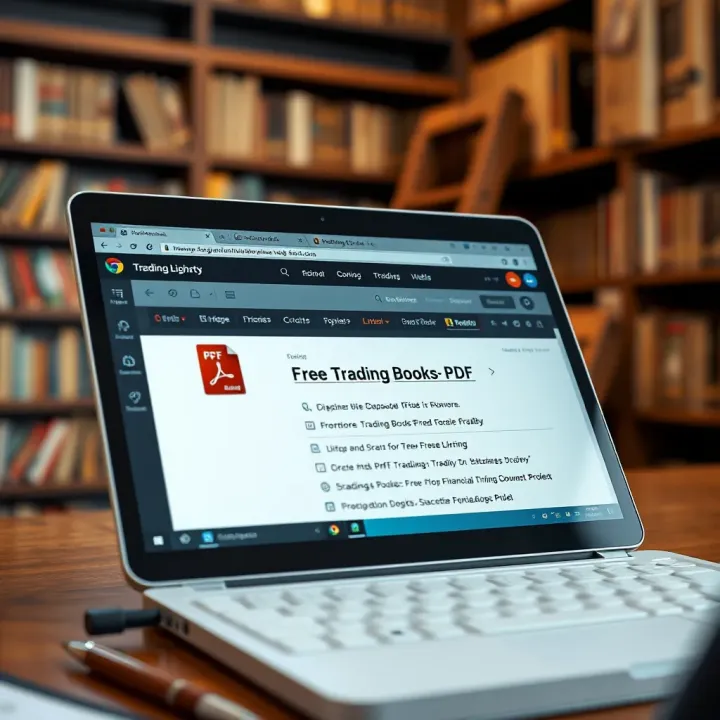
📘 Discover how to find and use free trading books in PDF format legally in Pakistan. Learn to evaluate quality, avoid pitfalls, and boost your trading skills today!
📚 Understand trading books in depth! Learn types, management, and analysis with handy PDF resources to boost your trading skills effectively.
Based on 5 reviews