
Best Trading Apps in Pakistan: Find the Right One for You
Looking to pick the best trading app in Pakistan? Compare features, security, market access, and fees to match your trading style. 📱💹 Secure & simple!
Edited By
Hannah Mitchell
Online trading apps have become an essential tool for investors and traders in Pakistan. With increasing internet penetration and smartphone use, these apps offer quick access to the Pakistan Stock Exchange (PSX), commodities markets, and forex trading platforms. For finance professionals and analysts, understanding the pros and cons of these apps can improve decision-making and portfolio management.
Pakistan’s regulatory bodies like the Securities and Exchange Commission of Pakistan (SECP) strictly supervise these platforms. Any app operating here must comply with legal requirements such as investor protection rules, anti-money laundering protocols, and real-time data accuracy. This means traders can expect a reasonable level of safety if they choose apps registered with SECP.
That said, no system is completely risk-free. Security concerns like data breaches and unauthorised access loom if proper precautions aren’t taken. Hence, before selecting an app, it’s critical to evaluate its security features — biometric logins, two-factor authentication, and encrypted transactions.
Several popular apps in Pakistan offer varying features tailored to different trading needs. For example, apps like JS Global and KTrade allow direct access to PSX with charting tools and market news, while others focus on commodities or forex markets. The fees structure, user interface, and customer support differ considerably as well.
Choosing the right trading app involves balancing ease of use, security, regulatory compliance, and cost-effectiveness. This guide provides practical insights into these factors specific to the Pakistani market.
Understanding how these apps work can enable investors to trade confidently from anywhere in Pakistan, making the most of opportunities while managing risks. As mobile trading grows, this represents a major shift from traditional broker-based trading to user-driven platforms, fitting modern lifestyles and fast-paced market movements.
Next, we will explore key features to look for when picking an online trading app, including security, regulatory compliance, usability, and available financial instruments.
Knowing how online trading apps work is vital for anyone interested in Pakistan's financial markets today. These apps offer direct access to buying and selling assets like stocks or cryptocurrencies right from your mobile device, making trading far more approachable than traditional methods.
Online trading apps are software platforms designed to let users trade financial assets through their smartphones or tablets. Unlike visiting a broker’s office or calling a dealer, these apps provide a quick, often 24/7, interface to place trades, monitor prices, and manage portfolios. Their main goal is to simplify market access and empower users to make informed decisions wherever they are.
The key difference between online apps and traditional brokers lies in convenience and control. Where brokers often require paperwork, office visits, and can charge higher fees, trading apps streamline most processes digitally. For example, instead of waiting days for an order to process, apps can execute trades instantly. This means you have more control over timing and strategy, which can be a game changer in fast-moving markets.
Smartphone use in Pakistan has grown sharply in the last decade, thanks to affordable devices and cheaper data plans from companies like Jazz and Zong. This surge makes it possible for a larger segment of the population to engage with online trading apps effortlessly, even in smaller cities and towns.
Financial literacy and internet penetration have complemented this trend. More Pakistanis understand basic investing concepts, partly due to social media, online courses, and news coverage. At the same time, expanded 4G and 5G coverage make real-time market data more accessible. Together, these factors have increased participation, spreading awareness beyond traditional investors.
Trading activity in Pakistan focuses mainly on stock markets and cryptocurrencies. The Pakistan Stock Exchange (PSX) has seen growing interest, bolstered by government initiatives and easier online access. Cryptocurrencies, though not officially regulated, attract younger traders seeking quick gains, often using apps linked to global exchanges.
Being familiar with online trading apps helps you navigate these opportunities with confidence and adapt to changing market dynamics effectively.
This understanding creates a solid foundation to explore specific apps, their features, and how to pick what suits you best.
Choosing the right online trading app in Pakistan means getting familiar with its key features. These features directly impact how smooth your trading experience will be, whether you're a day trader or a long-term investor. Here, we break down the essentials you should hunt for in a trading app.
Ease of use and navigation is critical because a complex, cluttered interface can slow you down, causing missed opportunities especially in volatile markets. A well-organised app with clear menus and straightforward workflows enables you to place trades quickly and track your portfolio with ease. For example, apps like PSX’s official platform or popular brokerages simplify the navigation so you spend less time clicking and more time analysing.
Mobile responsiveness refers to how well the app adjusts to your phone’s screen size and operating system without glitches. Since most Pakistani traders use smartphones, an app that lags or crashes under heavy use can prove costly. A responsive app loads screens quickly and adapts to different devices, ensuring you can trade during your commute or after loadshedding without interruption.
Real-time market data feeds are a must to keep you updated on price movements and volumes. Apps lacking this might show delayed prices, which can be dangerous when trying to capitalise on sudden market shifts. For instance, Karachi Stock Exchange apps offering live updates help traders react swiftly to price changes in top companies like Lucky Cement or Engro.
Charting and technical analysis tools allow you to spot trends, support and resistance levels, and entry or exit points. A robust charting interface with indicators like RSI or moving averages aids both novice and expert traders in making informed decisions. Apps offering customizable charts can give you an edge in timing your trades better.
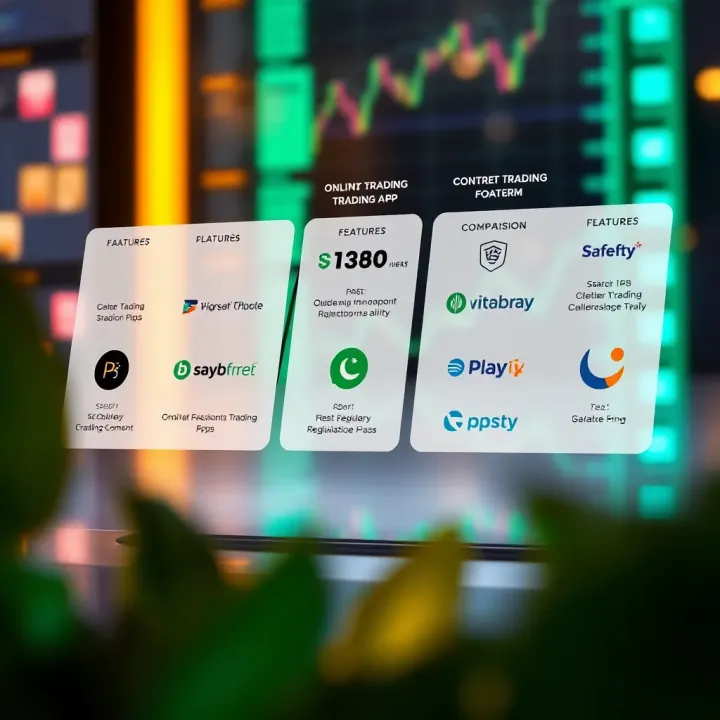
Educational content is especially useful for Pakistani traders new to online platforms. Features like video tutorials, webinars, and glossary sections empower users to understand market basics and advanced strategies. This knowledge helps reduce costly mistakes and builds confidence, particularly important in markets that involve complex products such as derivatives.
Two-factor authentication (2FA) adds an extra barrier by requiring a second confirmation step—usually a code sent to your mobile or email—before allowing access to your account. This thwarts unauthorised logins, a vital safeguard given increasing cyber threats targeting financial apps.
Encryption protocols protect your data during transmission. Reliable apps use end-to-end encryption so your personal and financial details remain unreadable to hackers intercepting communications over public Wi-Fi or slow mobile networks common in Pakistan.
Account safety features can include automatic logout after inactivity, alerts for suspicious activity, and biometric logins using fingerprint or face recognition. These tools protect your investments from being accessed or withdrawn without your permission.
When selecting a trading app, don’t just focus on flashy tools or low fees. Prioritise security and a user-friendly experience first. This ensures your trading activity is both efficient and safe, especially in Pakistan’s evolving digital finance context where cyber risks are real.
Navigating the regulatory environment is key when choosing online trading apps in Pakistan. It affects how apps operate, how investors are protected, and the obligations users must meet related to taxes and reporting. Understanding the role of authorities like the Securities and Exchange Commission of Pakistan (SECP) and the Federal Board of Revenue (FBR) helps traders avoid pitfalls and trade confidently.
Regulations affecting trading apps: The SECP regulates all entities involved in financial markets, including online trading platforms. It ensures that apps meet specific licensing, reporting, and operational standards to promote transparency and fairness. For example, an app must disclose its commission structure clearly and maintain secure systems to protect user data. Without SECP regulation, apps risk operating in a grey zone, exposing investors to scams or unfair practices.
Investor protection measures: SECP also implements rules to protect investors from fraudulent schemes and unfair trading tactics. It mandates features like segregated client accounts and clear grievance mechanisms within trading platforms. These protections give investors legal avenues if disputes arise. For instance, SECP’s oversight means users can report suspicious activity through official channels rather than facing losses silently. This regulatory backing provides crucial confidence, especially for new traders.
Capital gains tax: When trading through online apps, profits from selling stocks or other securities are subject to capital gains tax in Pakistan. The rate depends on holding period and asset type—for shares held less than 12 months, higher tax rates apply compared to those held longer. For example, selling shares before one year may attract a 15% tax on gains. Traders should track their transactions carefully since unreported gains can lead to penalties.
Filing requirements with the Federal Board of Revenue (FBR): All income, including gains from trading, must be reported on annual tax returns filed with the FBR. Even if you trade through local apps, the responsibility to declare profits remains yours. The FBR has improved e-filing processes and integrated data sharing with brokerages, making compliance easier. Timely and accurate reporting helps avoid fines and garnishee proceedings. Failure to file can hamper your eligibility for tax credits and bank loan applications.
Staying compliant with SECP regulations and FBR tax rules safeguards your investments and streamlines your trading experience. Always check that your app follows local laws and supports transparent tax documentation.
In short, online trading in Pakistan follows a clear regulatory framework designed to protect users and maintain market integrity. Choosing apps that comply with SECP guidelines and facilitate tax reporting reduces risks and supports informed investing.
Comparing popular online trading apps is essential for anyone interested in trading stocks or cryptocurrencies in Pakistan. This process helps traders and investors identify platforms that suit their specific needs, considering factors like ease of use, cost, security, and regulatory compliance. Especially with many options available now, including local brokerage apps and cryptocurrency exchanges, knowing the strengths and limitations of each app ensures you avoid wasted time, hidden fees, or potential security risks.
The market for stock trading apps in Pakistan has seen significant growth, with firms like PSX member brokerages launching their own digital platforms. Apps such as JS Global Capital, AKD Securities, and Arif Habib Limited provide direct access to the Pakistan Stock Exchange (PSX) for retail investors. These apps allow users to monitor market trends, place orders, and review their portfolios, often with live price updates and news specific to the listed companies. Because these apps are tied to registered brokerages, they must follow SECP regulations, adding a level of investor protection.
Most stock trading apps in Pakistan offer order execution, portfolio tracking, and research tools as standard features. Some also include advanced charting and technical analysis for more active traders. Commission structures typically vary by brokerage but generally include a fee per trade that could be a flat rate or a percentage of the trade value. For example, some apps charge around 0.1% to 0.2% per transaction, which can add up if you trade frequently. Also, watch out for additional charges like account maintenance fees or deposits and withdrawal costs. Transparent fee disclosure is crucial, so comparing apps can save you significant expenses over time.
Cryptocurrency trading in Pakistan is a grey area legally. While the State Bank of Pakistan (SBP) has not approved cryptocurrencies as legal tender, several unregulated apps function, letting users trade coins like Bitcoin and Ethereum. Platforms such as Binance and Coinbase, popular globally, often face restrictions in Pakistan. Meanwhile, local apps try to stay compliant with government warnings but lack a formal regulatory framework. This lack of regulation means users must exercise extra caution, as there is no official backing to resolve disputes or protect funds.
Cryptocurrency apps offer 24/7 trading and potentially high returns, attracting younger, tech-savvy investors. Plus, they enable exposure to global digital assets without geographic barriers. However, risks include price volatility, hacking threats, and legal uncertainty. Without SECP or SBP oversight, scams and frauds have occurred, and fund recovery is challenging. Thus, while crypto apps might add diversification to your portfolio, only invest amounts you can afford to lose. A balanced approach combines traditional stock apps’ reliability with measured crypto exposure.
Comparing apps isn’t about picking the cheapest or flashiest but choosing platforms that align with your trading style, safety needs, and legal comfort. Always vet apps for licence status, user reviews, and feature sets before committing your money.
Selecting the right trading app can make a significant difference in your investment journey. It’s not just about flashy features, but how well the app suits your trading goals, budget, and support needs. Choosing wisely helps avoid frustration, unnecessary fees, and potential security risks.
Your trading strategy shapes what app features matter most. For example, if you prefer long-term investing, you might want an app with easy portfolio tracking, dividend info, and educational resources. Apps like HBL’s iTrade provide such options and suit investors focusing on steady growth.
Day traders, on the other hand, need fast execution, real-time data, and advanced charting tools. Apps like Ticker by MCB or Warid Securities cater to this by offering live updates and technical indicators to make quick buy-sell decisions.
Risk tolerance also comes into play. If you’re conservative, an app offering tools to set stop-loss limits helps manage potential losses. Meanwhile, risk-takers might value leverage options or access to volatile assets like cryptocurrencies. Understanding your comfort with market swings guides your app choice and prevents rash decisions.
Brokerage fees directly affect your profit margin. While some apps charge a fixed fee per trade, others use a percentage-based model. For instance, PSX-based apps often charge around 0.03% to 0.06% of the transaction value, whereas cryptocurrency platforms might apply higher fees. Be sure to compare these charges relative to your trading volume, as frequent traders can see costs pile up quickly.
Additionally, deposit and withdrawal fees impact your overall costs. Some apps may allow free deposits but levy withdrawal fees or delays. JazzCash and Easypaisa integration offers convenience but watch out for transfer charges or limits. Choosing an app with transparent and reasonable transaction costs saves money and hassle.
A responsive customer service team can be a lifesaver, especially if you encounter issues like delayed transactions or account lockouts. Look for apps providing multiple support channels—phone, email, and live chat—and operating within Pakistan Standard Time.
Handling technical glitches swiftly ensures that you don’t miss important market moves. A stable app with minimal downtime protects your investments, while prompt issue resolution builds trust. For example, brokers that update apps regularly and offer real-time assistance stand out in Pakistan’s growing trading app market.
Choosing the right trading app is about matching your trading style, cost preferences, and support needs—this balance helps you trade confidently and efficiently within Pakistan’s dynamic markets.
Starting with online trading apps can feel a bit overwhelming at first, but it's a vital step for anyone keen to tap into Pakistan's growing digital trading scene. Having a clear understanding of how to set up your account properly and follow safe trading practices helps you avoid common pitfalls. It also ensures you make the most out of the platform’s features, which could directly impact your investment success.
Before you dive into trading, preparing the necessary documents is critical. Pakistani trading apps usually require your Computerised National Identity Card (CNIC) and valid bank account details. The CNIC confirms your identity, while the bank information allows smooth fund transfers—depositing money for trading or withdrawing your earnings. For example, linking your CNIC and bank account during registration prevents fraud and streamlines verification.
After submitting documents, you'll face the verification process. This step varies by app but generally includes biometric or facial verification, and checking your submitted details against NADRA’s database. The platform may also request a selfie or video call interaction to confirm your identity. This practice isn't just bureaucratic formality; it acts as a reliable shield against identity theft and ensures only genuine users access the market.
If the app offers a demo account, start there. Demo accounts provide virtual money and simulate real market conditions, which helps you practise without risking actual funds. This approach suits beginners testing trading strategies or understanding the interface before committing real money. For instance, apps like PSX's official platform offer demo features that reflect live market behaviour closely.
Diversifying your investments reduces the risk of major losses. Instead of putting all your money into one stock or sector, spread it across different industries, asset types, or even cryptocurrencies and stocks. Diversification balances out volatility—if one investment dips due to market fluctuations, others may hold steady or gain. It's a strategy that seasoned investors rely on to protect their portfolio from sudden shocks.
Stay updated with market news to trade wisely. Markets in Pakistan can respond sharply to political developments, SBP policies, or international events. Using news apps, subscribing to financial bulletins, or following analyst insights keeps you informed. For example, a sudden change in SBP's policy rate often impacts banking sector stocks, so timely knowledge helps in quick decision-making.
Trading confidently begins with the right preparation—verification, practising in demo mode, spreading your investments, and staying in tune with market news. These steps together build a foundation for safer, smarter trading.
With these essentials, you’re better equipped to start your journey in Pakistan’s online trading world with confidence and care.
Looking to pick the best trading app in Pakistan? Compare features, security, market access, and fees to match your trading style. 📱💹 Secure & simple!
📱 Discover how to safely navigate trading apps in Pakistan. Learn features, risks, security tips, and choose the best app for your trading needs.
Explore top trading apps in Pakistan 📱 with this detailed guide covering features, security tips, and how to pick the best platform for your trading needs.
📈 Discover the best trading apps for Pakistani investors! Compare features, fees, security 🔒, and regulations to pick the perfect platform for you.
Based on 12 reviews