

Is Trading Halal or Haram? An Islamic Viewpoint
Explore whether trading is halal or haram in Islam 🕌. Learn about Islamic finance rules, trading types, and practical advice for Pakistan's Muslim traders 📈.
Edited By
Sophie Mitchell
Cryptocurrency has created quite a stir in financial circles across Pakistan and worldwide. Traders, investors, and financial professionals often ask if digital currencies like Bitcoin or Ethereum fit within Islamic law. This question becomes even more relevant given the rising popularity of cryptocurrencies in Pakistan’s urban centres and online trading platforms.
Zakir Naik, a respected Islamic scholar, has shared his perspective on whether dealing with cryptocurrency is halal (permissible) or haram (forbidden). His views centre around the core principles of Islamic finance, such as the prohibition of riba (usury), gharar (excessive uncertainty), and ensuring transactions are backed by real assets.
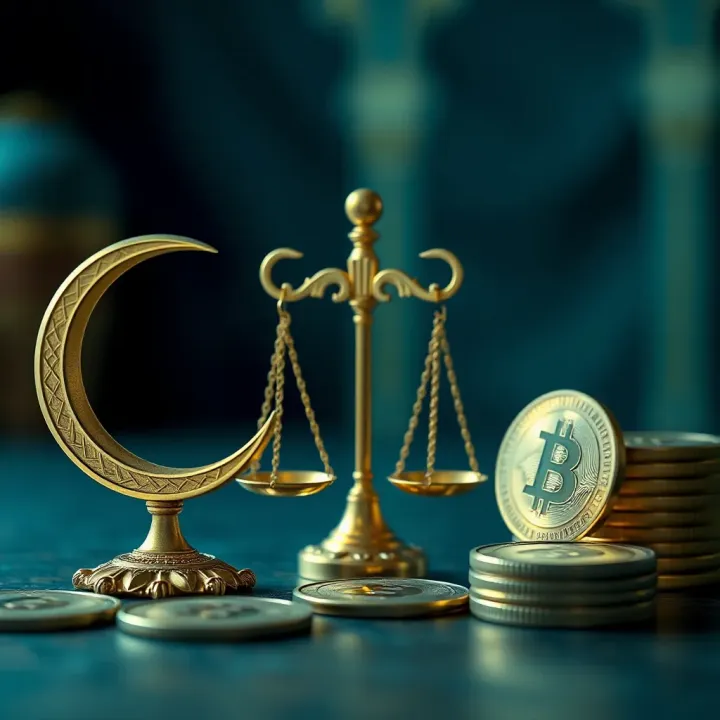
Understanding these principles is key to evaluating if cryptocurrencies comply with Shariah law. Unlike traditional currencies, cryptocurrency is digital and decentralised, often lacking physical backing or government guarantee. This raises questions about its legitimacy as a medium of exchange, store of value, or investment vehicle under Islamic guidelines.
Zakir Naik stresses that the high volatility and speculative nature of cryptocurrencies trigger concerns of gharar, making many dealings akin to gambling, which Islam forbids. Moreover, he points out that since cryptocurrencies do not represent tangible assets or are not universally accepted as legal tender, their status as "money" remains debatable.
"The essence of Islamic finance is fairness, transparency, and avoidance of unjust enrichment. Any financial instrument not meeting these criteria should be treated cautiously," Naik explains.
In practical terms, Naik advises Muslims to be cautious with cryptocurrencies until scholars reach consensus on their permissibility. He highlights that investing through recognised Islamic financial products with clear Shariah boards offers safer grounds. For example, Islamic banking products vetted by Pakistan’s central Shariah advisory bodies remain the preferred choice.
To sum up, Zakir Naik's insights remind us that while cryptocurrencies offer potential benefits, they also carry significant Islamic legal concerns. Traders and investors should weigh these factors carefully before stepping into the volatile crypto market, keeping both Islamic ethics and financial prudence in mind.
Understanding the relationship between cryptocurrency and Islamic finance is essential for Muslims looking to invest or trade in digital assets. Islamic finance follows strict principles governing what is halal (permissible) and haram (forbidden), especially in terms of earnings and investments. Cryptocurrencies, being relatively new and volatile, raise important questions about compliance with these principles. This section aims to clarify the fundamentals of cryptocurrency and how they connect with Islamic financial rules.
Definition and function of cryptocurrency: Cryptocurrency is a type of digital money that relies on encryption techniques to control its creation and transactions. Unlike traditional currencies issued by governments, cryptocurrencies operate on decentralised networks without a central bank. This means transactions can happen peer-to-peer, offering faster and often cheaper ways to send money internationally. For example, Bitcoin and Ethereum allow users to transfer value globally without intermediaries like banks.
How blockchain works: The backbone of cryptocurrencies is blockchain technology — a distributed ledger that records all transactions across multiple computers. Each transaction is grouped in a "block" and linked to the previous one, creating a chain. This system makes it difficult to alter past records, ensuring transparency and security. Practical benefits include preventing fraud and allowing anyone with internet access to verify transactions independently, which is quite different from traditional banking systems.
Popular cryptocurrencies and their uses: Bitcoin remains the most well-known cryptocurrency, primarily used for store of value and remittances. Ethereum has gained fame for enabling "smart contracts," which automate agreements without middlemen. Other cryptocurrencies like Binance Coin and Tether serve different purposes, from trading to stablecoin functions pegged to fiat currencies. In Pakistan, some traders use these digital coins to bypass currency exchange hurdles or to protect wealth from rupee volatility.
Key concepts of permissible and impermissible earnings: Islamic finance permits earnings only through lawful (halal) means, which exclude activities involving interest (riba), excessive uncertainty (gharar), and gambling (maysir). Income should come from real economic activity or trade rather than speculation or unfair gain. For instance, investing in a business producing halal goods is allowed, but profiting from uncertainty or deception is not.
Common financial practices considered haram: Interest on loans is forbidden, as it leads to exploitation; similarly, speculative trading that resembles gambling is disallowed. Transactions must avoid extreme risk and deceit. Practices like conventional insurance with high uncertainty or investments in businesses linked to alcohol, gambling, or pork are also haram. Such rules protect individuals and communities from unethical financial behaviour.
Importance of transparency and fairness: Islamic law stresses clear agreements and honest dealings, preventing any hidden terms or unfair advantage. Transparency helps reduce disputes and builds trust among parties. For example, a business contract must detail all conditions openly, so all participants understand the risks and rewards. This principle challenges the opaque nature of some cryptocurrency platforms and their markets, which can thrive on hidden volatility or insider manipulation.
Clarity and ethical standards in transactions form the bedrock of halal finance, making understanding these concepts vital when considering cryptocurrency investments.
By grasping these basics, Muslim investors and traders can better evaluate how cryptocurrency fits within Islamic financial principles and decide on its permissibility with more confidence.
Zakir Naik is a widely recognised Islamic scholar whose opinions shape many Muslims' views on modern issues. His perspective on cryptocurrency carries weight, particularly as digital assets grow in popularity among investors and traders. Understanding his stance helps readers navigate the complex questions about whether cryptocurrencies fit within Islamic finance principles.
Naik's views on cryptocurrency emerge from his broader approach to Islamic finance, where he emphasises risk avoidance and adherence to clear Shariah principles. Given the volatile and relatively new nature of digital currencies, he stresses caution. His statements come at a time when many Pakistani traders and investors are evaluating cryptocurrencies, making his position practically relevant in guiding responsible investment.
Naik points out several concerns, including the lack of central backing, high volatility, and speculative trends that resemble gambling. He argues these features conflict with halal financial practices because they involve significant uncertainty, or gharar, which Islam forbids. For example, sudden price swings in Bitcoin or Dogecoin without underlying asset support create risks that naive investors might overlook.
Reactions vary widely. Some appreciate Naik's cautious tone, seeing it as a protective guideline in a risky market. Others find his approach too strict, especially young investors attracted by cryptocurrencies’ quick gains. Overall, his stance sparks broader discussions among scholars and the community about how Islamic principles apply to emerging technologies.
Naik highlights the significant risks linked to cryptocurrency, including price manipulation and lack of regulation, which introduce uncertainty. Islam discourages investments full of gharar, where outcomes are unpredictable or deceptive. In this light, cryptocurrencies’ rapid fluctuations and anonymous transactions raise red flags for investors seeking halal options.
Speculation mimics gambling (maysir), which Islamic law prohibits. Naik argues that many crypto transactions are speculative bets on price movements rather than investments backed by real value or business activity. This gambling-like behaviour in crypto markets increases the chance of losses and ethical concerns, further questioning the halal nature of such dealings.
Naik stresses that Shariah-compliant finance requires transparency, fairness, and tangible asset backing. Since cryptocurrencies lack intrinsic value and are not generally backed by physical assets, they challenge these principles. Still, some scholars suggest that if cryptocurrencies evolve with proper regulation and asset support, they might align better with Islamic finance. Naik’s perspective invites deeper exploration into adapting Islamic law to new financial tech while protecting believers from harm.
Understanding Zakir Naik’s position offers a grounded framework for Muslim traders and investors wanting to align their cryptocurrency activities with Islamic law. It underscores the need for cautious, informed decisions in this uncertain digital market.
Comparing cryptocurrency with traditional Islamic finance highlights key differences and overlaps that influence whether cryptocurrencies align with Shariah principles. This comparison helps Muslim investors and finance professionals understand how the digital asset model stacks against established Islamic banking rules, guiding sound financial decisions.
Islamic finance strictly prohibits riba, which means any guaranteed interest on loans or investments. Conventional banking and many traditional financial products generate profit mainly through riba, which Islam finds unjust. Cryptocurrencies themselves neither inherently charge interest nor offer guaranteed returns. However, many crypto investment schemes resemble interest-based or speculative models, raising concerns for Muslims seeking halal investments.
For instance, staking rewards or lending crypto for fixed returns could come close to riba if they guarantee profits without risk-sharing. Islamic finance emphasises profit and loss sharing instead of predetermined interest. So, while cryptocurrencies avoid formal interest, their usage must still comply with risk distribution principles to remain halal.
Islamic finance often requires that financial transactions are backed by real assets or commodities to ensure tangible value. For example, sukuk (Islamic bonds) represent ownership in actual projects or assets, preventing pure speculation. Many Muslims question if cryptocurrencies have sufficient intrinsic value as they are digital tokens without physical backing.
Bitcoin, for instance, relies on blockchain and mining protocols for value rather than traditional assets. This absence of physical backing makes it hard for some scholars to classify cryptocurrencies as halal investments, since Islamic law discourages trading in what appears to be intangible or uncertain assets. To better align with Islamic finance, some crypto projects tie tokens to tangible goods or commodities, attempting to bridge this gap.
Islamic finance promotes investments that support ethical and socially responsible projects, avoiding sectors like gambling, alcohol, and interest-based businesses. This value-driven approach aligns closely with Shariah principles emphasising justice and social welfare.
Cryptocurrency, being a neutral technology, can facilitate both halal and haram transactions. This ambiguity means Muslims interested in crypto must carefully evaluate how their investments contribute socially and ethically. For example, funding blockchain projects aiming to improve transparency or support charitable causes fits Islamic ethics. Conversely, investing in crypto ventures promoting exploitative or illegal activities contradicts Islamic values.
One major issue is the extreme volatility of cryptocurrencies. Price swings of over 10% in a single day are common, which raises concerns about gharar (excessive uncertainty) forbidden in Islamic finance. Investing in highly unpredictable assets may resemble gambling, another prohibited activity.
For Pakistani investors used to more stable instruments like Islamic bank deposits or sukuk, cryptocurrency's sharp ups and downs pose both ethical and financial risks. This unpredictability complicates adhering to strict Shariah guidance, urging Muslims to approach crypto cautiously.
Islamic finance operates within regulated environments ensuring transparency and consumer protection. Cryptocurrencies, however, generally lack central authorities or regulators, making oversight difficult.
Without clear regulatory frameworks in Pakistan or globally, risks like fraud, money laundering, and market manipulation rise. Such factors conflict with Islamic principles demanding fairness, transparency, and accountability in financial dealings. Until better regulation forms, digital assets remain a grey zone from a Shariah perspective.
Verifying if a cryptocurrency transaction or investment is halal is tricky due to its anonymous and borderless nature. Many crypto trades could unknowingly fund unethical activities or interest-based schemes, which is not acceptable under Islamic law.
Scholars also struggle to issue definitive verdicts because current Islamic financial standards were designed for conventional assets, not digital currencies. This gap creates confusion among Muslim investors trying to confirm halal status, emphasising the need for clearer guidelines and scholarly consensus.
For Muslims serious about Shariah compliance, understanding these differences and challenges is essential before engaging with cryptocurrencies in Pakistan or beyond.
Ultimately, the comparison reveals both opportunities and limitations of crypto within Islamic finance. While digital assets promise benefits like decentralisation and financial inclusion, their alignment with Shariah requires careful scrutiny of interest, asset backing, ethics, volatility, regulation, and compliance.
Muslims engaging with cryptocurrency should carefully weigh practical benefits alongside the associated risks. While digital currencies can offer convenience, access, and unique financial options, they also raise questions under Islamic law concerning fairness and transparency. This section highlights both the advantages and warnings to consider, helping readers make decisions that align with Islamic principles.
Ease of international transactions
Cryptocurrency simplifies cross-border payments by cutting intermediaries and reducing transaction times. For example, sending funds from Karachi to Dubai through traditional banks might take days and involve hefty fees. In contrast, Bitcoin or Ethereum transactions complete much faster and often at lower cost. This ease supports Muslims who work abroad and regularly send remittances home, allowing better financial management without delays or excessive charges.
Access to financial services
Many Pakistanis face challenges accessing formal banking due to documentation or location. Cryptocurrencies can provide an alternative gateway to financial inclusion. Mobile wallets or crypto exchanges let users transact, save, and invest without needing a conventional bank account. For example, a small trader in rural Sindh could receive payments digitally, expanding business opportunities beyond local markets. While this does not replace regulated banking, cryptos can supplement access to financial tools, especially for underserved communities.
Possibility to avoid unfair interest
One core Islamic finance principle forbids riba (interest). Cryptocurrencies offer peer-to-peer transfers without involving traditional interest-based banking systems. In theory, this means one can trade or hold digital assets without participating in unjust gain. However, users must be cautious; certain crypto lending or yield-generating platforms may still involve interest-like mechanisms. Muslims should verify that their crypto activities exclude riba to maintain compliance with halal investment standards.
Speculative nature and market manipulation
Many scholars warn that cryptocurrencies are highly speculative, often resembling gambling due to price volatility and unpredictability. Unlike stable assets supported by tangible goods or cash flows, crypto values swing sharply, driven by hype or market manipulation. This uncertainty raises concerns about gharar (excessive risk), which Islamic law discourages. Traders should avoid rash decisions and focus on informed strategies rather than chasing quick profits.
Legal uncertainties in Pakistan and globally
The regulatory status of cryptocurrency remains unclear or evolving in Pakistan and many countries. The State Bank of Pakistan reserves caution, and firms offering crypto services operate without clear legal frameworks. This creates risks of sudden bans, freeze of assets, or scams. Internationally too, countries are split between acceptance and prohibition. Muslim investors must stay updated on laws and avoid platforms that lack proper oversight to protect their investments and comply with local regulations.
Need for thorough understanding before investment
Experts stress that anyone planning to invest in cryptocurrencies should fully understand how these digital assets work, including technical risks and market dynamics. Blindly entering crypto markets without knowledge can lead to financial losses and ethical dilemmas regarding halal compliance. Muslims are encouraged to seek advice from qualified Islamic finance scholars and financial professionals to ensure their crypto dealings align with Islamic ethics and practical realities.
Caution combined with education forms the best shield for Muslims considering cryptocurrencies, ensuring both financial gain and spiritual accountability.
In summary, cryptocurrencies can offer meaningful benefits like easier transactions and financial access for Pakistani Muslims. Still, they bring serious challenges due to volatility, regulatory gaps, and Islamic law considerations. Responsible, informed use remains essential for those seeking to include digital currencies within their halal financial activities.
The conclusion is essential as it gathers the key insights about cryptocurrency and Islamic law, helping Muslims make informed choices. Given the complex nature of digital assets and varying scholarly opinions, Muslims need clear points to guide their decisions while staying true to Islamic principles.
Zakir Naik maintains a cautious but firm stance on cryptocurrency. He points out concerns like excessive uncertainty (gharar) and potential involvement in gambling-like speculation, which could render many digital currencies haram. However, he recognises the innovative nature of blockchain technology. This position urges Muslims to avoid blind investment in crypto without proper understanding or Islamic certification.
In Islamic finance, principles such as the prohibition of riba (interest), prohibition of gharar (excessive uncertainty), and ensuring transactions are based on tangible assets play a crucial role. Cryptocurrencies often lack backing by physical assets and suffer from extreme price volatility, conflicting with these principles. That said, some fintech companies in Pakistan are exploring Shariah-compliant crypto models, attempting to bridge this gap.
For Muslim investors, the practical advice is to stay informed and cautious. Avoid highly speculative trading and projects lacking clear Islamic compliance. Understanding the technology and market trends before investment protects against losses and religious doubts. Consulting qualified Islamic scholars on individual cases also helps avoid unintended haram involvement.
As cryptocurrency systems evolve, so will the clarity of Islamic guidelines around them. New blockchain projects focusing on asset-backed tokens or Islamic finance integration may offer halal alternatives. Scholars will need to re-examine rules continually, considering technological advances and economic realities.
Consensus among Islamic scholars will be vital. A unified stance can prevent confusion among Muslims regarding crypto investments. Forums and councils specialising in Islamic finance should prioritise issuing clear, updated rulings so the community is not left guessing.
Above all, Muslims must make informed decisions. Researching projects, understanding Shariah principles applied to finance, and seeking expert opinions safeguard faith and wealth. This balanced approach lets believers participate in modern financial systems without compromising Islamic values.
While cryptocurrency presents challenges, careful navigation within Islamic guidelines can allow ethical engagement. Awareness and guidance are key tools for Muslims to benefit responsibly from digital finance.
Explore whether trading is halal or haram in Islam 🕌. Learn about Islamic finance rules, trading types, and practical advice for Pakistan's Muslim traders 📈.
Learn how to trade cryptocurrency safely in Pakistan 🇵🇰. From basics to risk management and legal tips, get practical steps for smart trading 📈💡.
Learn how to trade cryptocurrency in Pakistan 🇵🇰 with this practical guide. Explore essential tools, strategies, legal tips, and risk management techniques for all levels 🚀.
Learn how to trade cryptocurrency in Pakistan with easy steps, smart strategies, and key legal tips. Stay safe while navigating the crypto market! 🚀💰🇵🇰
Based on 15 reviews