

Is Trading Halal or Haram? An Islamic Viewpoint
Explore whether trading is halal or haram in Islam 🕌. Learn about Islamic finance rules, trading types, and practical advice for Pakistan's Muslim traders 📈.
Edited By
Oliver Green
Forex trading has become a popular avenue for investment among many Pakistanis, especially with easier access to online trading platforms. Yet, for Muslim investors, a major question remains: is forex trading halal (permissible) or haram (forbidden) under Islamic law?
This question is not just academic. Islamic finance principles strictly regulate financial activities to avoid interest (riba), excessive uncertainty (gharar), and gambling (maysir), all of which can make an investment impermissible. Forex trading, with its speed, leverage, and constant price fluctuations, raises concerns under these criteria.
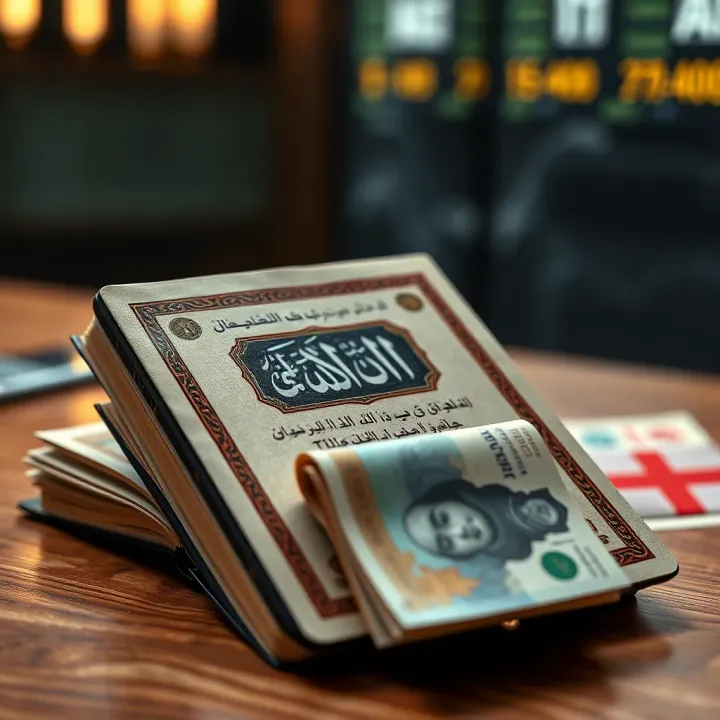
To understand the issue properly, we need to look first at how Islamic finance views currency exchange. Conventional currency trading involves buying one currency and selling another, usually with immediate settlement for spot trades or with a delay for forwards and futures. Islamic scholars generally agree that spot forex trading is allowed if done on a hand-to-hand basis—meaning immediate exchange without delay. However, problems arise when dealing with leveraged trades, margin accounts, or deferred settlement.
Islamic finance forbids transactions with excessive uncertainty or speculation. Trading on credit or with delayed payment can fall foul of these rules.
Many Pakistani traders use leverage through brokers, borrowing funds to increase their exposure. This kind of margin trading may involve paying or receiving interest, which is strictly prohibited in Islam. Some Islamic forex accounts claim to avoid interest by restructuring charges, but the legitimacy of these setups varies among scholars.
Here are key points for Muslim investors:
Spot forex trades executed by immediate exchange are generally considered halal.
Use of leverage and margin accounts often involves interest, making such trades haram.
Trading currency derivatives or futures with delayed settlement is usually not acceptable.
Avoiding gambling-like speculation is necessary; investments based on solid market analysis are preferred.
Understanding these nuances helps Pakistani investors align their forex activities with Islamic ethics. The next sections will explore scholarly opinions and practical ways to trade while respecting Shariah guidelines.
Grasping the fundamentals of forex trading is essential, especially for Pakistani investors seeking to navigate this complex market responsibly. It helps you understand how currency prices move, the risks involved, and how to align your trading practices with your financial goals and, in this context, Islamic principles.
Forex trading involves buying and selling currencies on the foreign exchange market to profit from changes in exchange rates. Essentially, you exchange one currency for another, hoping that its value will rise to sell it later at a profit. For instance, a trader may buy US dollars by selling Pakistani rupees, anticipating the dollar’s value to increase.
This market operates 24/5 globally, but trading hours can vary depending on the time zone. Its accessibility through online platforms has made forex trading popular among individual investors in Pakistan.
Pakistanis mainly trade major currency pairs involving the US dollar (USD), euro (EUR), British pound (GBP), and Japanese yen (JPY) against the Pakistani rupee (PKR). The USD/PKR pair is particularly active due to Pakistan’s trade relations and remittances from abroad.
Traders often watch economic news from the US and Pakistan closely, as these influence fluctuations in the exchange rate. For example, changes in remittance flows or monetary policy by the State Bank of Pakistan (SBP) impact the PKR’s strength.
Leverage allows traders to control a large position with a relatively small amount of capital, called margin, increasing both potential profits and risks. For instance, with 1:100 leverage, Rs 10,000 can control Rs 1 million worth of currency.
While leverage magnifies returns, it also exposes traders to bigger losses, possibly exceeding their initial investment. In Pakistan, some brokers offer high leverage, but it is vital to use it cautiously and understand its implications fully.
Several brokers licensed internationally provide services to Pakistani traders via online platforms. These brokers often offer tools tailored to local needs, including PKR funding options and Urdu language support.
However, choosing a reliable broker is crucial, as unregulated or shady brokers may lead to financial losses or unfair trading conditions.
The SBP supervises forex activity at a macro level, mainly focusing on cross-border transactions and anti-money laundering measures. It does not directly regulate retail forex brokers but controls forex reserves and sets policies affecting PKR’s value.
Understanding SBP’s announcements and market interventions can help traders anticipate PKR currency movements.
Pakistanis often prefer spot forex trading, which involves immediate currency exchange, over futures or options contracts. Scalping and day trading are common strategies, focusing on short-term price movements to avoid overnight risks and leverage-related interest charges.
Some traders use fundamental analysis, tracking SBP policies and political events, while others rely on technical charts and indicators to time trades.

Forex trading is dynamic, and understanding the local context—brokerage options, regulations, and trading styles—can help Pakistani traders make informed, Shariah-aligned decisions.
Understanding Islamic finance principles matters deeply when discussing forex trading's permissibility. Islamic law sets clear boundaries to ensure trade and finance remain ethical and free from exploitation. These principles affect how forex trades must be structured to avoid forbidden elements.
Riba, commonly translated as interest, is strictly prohibited in Islamic finance. It refers to any guaranteed increase over principal in loans or transactions. For forex trading, this means any arrangement involving earning interest on margin accounts or overnight lending is not acceptable. This practice conflicts with Shariah because it exploits the borrower or trader unfairly. Pakistani traders should ensure their brokers provide Riba-free or Islamic accounts that avoid charging or paying interest altogether.
Gharar means excessive uncertainty or ambiguity in a contract, leading to unfair outcomes or disputes. Islamic finance accepts some risk but forbids gambling-like speculation where outcomes are left to chance or excessive unpredictability. In forex, this warns against highly volatile or speculative trades lacking clear terms. For example, contracts delaying settlement or based on futures with unknown conditions may breach this principle. Traders should focus on spot trading with clear, immediate exchanges to stay compliant.
Islamic transactions must be based on clear agreement and fairness for all parties. Both buyer and seller should consent freely without compulsion or deception. This prevents exploitative practices and ensures transparency. In forex trading, this means contracts and terms must be transparent, with traders fully aware of risks and costs. Any hidden charges or unclear conditions would violate this principle.
Under Shariah, spot transactions where currency exchange happens immediately and in full are generally permissible. The principle of hand-to-hand exchange means that both parties must deliver the exchanged currencies on the spot, not at a later date. This immediate settlement avoids ambiguity and gharar. Many scholars consider spot forex trading halal if it involves actual delivery without delay. For example, exchanging US dollars for Pakistani rupees directly in the bazaar reflects this allowed form.
Not all currency exchanges are equal. Islamic law permits exchanges between currencies of equal value without delay or interest. This allows for trade or travel needs but forbids exchanging currencies with deferred payment or involving Riba. Thus, trading currencies immediately with agreed rates aligns with Shariah. Pakistani investors should verify their trades meet these criteria, avoiding broker-imposed wait times or interest costs.
Islam distinguishes legitimate trade from mere speculation or gambling. Trade involves buying or selling assets based on their real value and intention to own or exchange. Speculation depends on unpredictable price movements and resembles gambling. In forex, frequently buying and selling currencies just to profit from small price changes resembles speculation and may be haram. On the other hand, forex trading for actual commercial needs or hedging currency risks is closer to permissible trade.
To summarise, Islamic finance principles require forex transactions to avoid interest, excessive uncertainty, and unfair terms. Spot trading with immediate delivery and clear mutual consent stands the best chance of compliance. Traders in Pakistan should carefully consider these fundamentals before engaging in forex markets.
In the debate about whether forex trading is halal, it’s important to recognise that certain types of currency exchange comply with Shariah rules. Not all forex trading is off-limits; understanding the structure and intention behind the trade makes a difference. This section looks at the arguments supporting forex trading provided it meets Islamic finance principles.
Conditions for valid currency exchange involve the principle of immediate exchange (hand-to-hand) without delay. According to Shariah, a currency trade is valid only if the exchanged money is delivered at the same time and place. Delaying the transfer or settlement usually makes the transaction questionable or haram. For example, when you physically swap Pakistani rupees for US dollars on the spot at a bureau de change, that transaction is valid under Islamic law because of immediate delivery.
Use of spot transactions in Islamic finance reflects accepted practice in conventional and Islamic markets alike. Islam permits spot currency exchanges as they mirror real-world trade, avoiding elements of gambling or uncertainty (gharar). In financial centres worldwide, including Karachi and Lahore, spot forex trades are widely used for genuine exchange needs like import/export payments, showing practical acceptance.
Examples aligning with Shariah requirements include businesses hedging currency risk by exchanging money upfront to secure their costs. For instance, an exporter in Pakistan receiving payment in US dollars immediately after selling goods satisfies the spot transaction condition, thereby staying within halal guidelines. This real economic activity contrasts with speculative trades that merely bet on currency movements.
Forex as a tool for hedging and trade facilitation plays a legitimate role in managing risks inherent to cross-border trade. Pakistani importers and exporters often use spot forex to protect against currency fluctuations – this helps stabilise costs and revenues. Such use is aligned with Islamic principles as it serves real economic activity instead of speculative gain.
Scholars supporting trading when done correctly argue that forex trading is permissible if it avoids interest (riba), gambling, and excessive uncertainty. Some scholars from Islamic finance boards in Pakistan and abroad approve forex trading done on spot terms with immediate settlement. They emphasise that the trader’s intention and method must align with Islamic values.
Role of intention and avoiding speculative behaviour is critical. Islamic law stresses that trading isn’t just about profit, but about fairness and avoiding harm. Engaging in forex purely for speculation, chasing quick gains without underlying trade or investment logic, risks falling into gambling-like activity. Conversely, trading to facilitate business or legitimate investment with transparency and knowledge is considered halal.
By focusing on immediate, real transactions without interest and excessive uncertainty, forex trading can comply with Shariah. Intentions and method matter as much as the act itself.
This balanced approach helps Pakistani traders understand when forex trading fits Islamic rules and when it crosses the line.
Forex trading raises significant concerns under Islamic law, primarily due to elements like interest (riba), uncertainty (gharar), and delayed exchanges. These factors often conflict with Shariah principles, making portions of forex trading potentially impermissible. Pakistani investors should understand these risks to avoid unknowingly engaging in practices Haram according to Islamic finance.
Margin or leveraged trading involves borrowing money from brokers to increase trading capacity. This borrowing typically incurs interest, known as riba, which Islam categorically forbids. For example, if a trader uses 10 times leverage, they effectively pay interest on the borrowed funds overnight or after market closure. This practice is straightforwardly Haram as it involves unjust enrichment through interest.
Many brokers operating globally and accessible in Pakistan do not offer true Islamic accounts. Their standard trading platforms charge swap or rollover fees, which are interest by another name. This conflicts not only with Shariah but also disrupts the investor's ethical intentions. Traders who are unaware of these charges may inadvertently accumulate riba, compromising their faith's financial ethics.
Engaging with interest-based transactions carries consequences beyond Shariah non-compliance. Economically, it can erode trading capital due to continuous fees, especially during volatile market phases when positions are held longer. Spiritually, it distances a Muslim's financial dealings from ethical legitimacy, which many scholars stress carries accountability both in this world and hereafter.
Forex trading is highly speculative, sometimes resembling gambling (maisir) because traders bet on price movements without underlying ownership or immediate exchange. This speculation is risky; many Pakistani traders jump into forex due to promises of quick profits but often suffer hefty losses in volatile markets.
Such high volatility increases gharar—uncertainty or ambiguity—making the outcome unclear and fraught with chance rather than calculated trade. For Islamic finance, extreme gharar invalidates contracts or at least renders them strongly disliked (makruh), as it violates the fairness and clarity Islamic law demands in financial dealings.
Islamic rulings generally discourage or prohibit transactions laden with gharar. Speculative forex trades, especially those based on price fluctuations rather than genuine trade or hedging, fall into this category. Hence, trading driven solely by quick gains or blind speculation is often deemed Haram.
Shariah mandates that currency exchange must occur hand-to-hand, meaning both parties deliver the currencies immediately during the contract. Many forex trades, especially futures or contracts with deferred settlements, delay this exchange.
Delays in settlement bring about deferred payments, which are generally not permissible in currency trading without exceptions. Such delays cause disputes over contract validity since Shariah requires clarity and certainty about the terms at the outset, which deferred settlements obscure.
Futures and options contracts, common in global forex markets, are particularly problematic. They often involve speculation and deferred delivery, resembling wagers more than trade. Islamic scholars mostly view these instruments as invalid, as they conflict with the immediate exchange requirement and promote gharar.
Understanding these concerns helps Pakistani investors identify safe trading practices aligned with their faith and avoid pitfalls that could harm both finances and spiritual standing.
Trading forex according to Islamic principles demands careful attention to both the choice of broker and the way trades are executed. These practical guidelines help investors avoid forbidden elements like Riba (interest) and Gharar (excessive uncertainty), ensuring compliance with Shariah. They also support ethical trading habits and risk management tailored to Pakistani market realities.
Islamic or Riba-free forex accounts are designed to prevent interest payments on overnight positions, which conflict with Islamic law. These accounts typically do not charge or pay swap fees, making them suitable for Muslim traders. For example, a trader using a Pakistani broker offering an Islamic account can hold positions beyond one day without worrying about interest charges that would render the trade impermissible.
Selecting a broker with a solid reputation in Pakistan is essential. Traders should verify if the broker is regulated by the Securities and Exchange Commission of Pakistan (SECP) or authorised by the State Bank of Pakistan (SBP). This helps protect investors from scams or dubious practices. Pakistani traders often find it useful to consult customer reviews and seek recommendations from local finance communities before opening accounts.
Transparency and clear contract terms are equally important. Brokers must provide straightforward agreements that explicitly explain fees, trading rules, and conditions. For instance, the contract should state how currency exchange happens, ensuring immediate settlement when trading spot forex. This transparency helps prevent hidden Riba or ambiguous terms that can make a trade haram.
Sticking to spot currency trades – where the exchange happens immediately – aligns with Islamic guidelines. Spot forex trading reduces Gharar since the transaction is settled hand-to-hand without delay. For example, a trader exchanging USD for PKR with instant transfer honours Shariah more than futures or options contracts that settle later.
Avoiding leverage and complex derivatives significantly lowers the risk of engaging with forbidden interest. Leverage often introduces margin financing, which involves paying or receiving interest. By only trading with available capital and avoiding derivatives like futures or options, investors comply better with Islamic ethics.
Maintaining ethical intentions during trading is fundamental. A trader must focus on genuine trade or hedging rather than pure speculation or gambling. For example, a businessman forex trading to manage currency risk for import business aligns with Islamic purpose, as opposed to someone gambling on price swings hoping for quick profit.
Seeking fatwas from scholars familiar with Pakistan’s financial environment offers clear guidance tailored to local contexts. These fatwas consider prevalent broker practices, market conditions, and legal frameworks.
Participating in workshops or seminars on Islamic finance and forex trading helps traders stay informed and confident in their approach. Such events often discuss the latest rulings and practical tips relevant to Pakistan.
Finally, staying updated on rulings from recognised bodies like the Islamic Fiqh Academy or local Darul Iftas ensures traders adjust strategies as interpretations evolve. This ongoing learning safeguards compliance over time.
Engaging in forex trading with clear Shariah guidelines protects both your investment and your conscience, especially in Pakistan’s dynamic financial landscape.
Explore whether trading is halal or haram in Islam 🕌. Learn about Islamic finance rules, trading types, and practical advice for Pakistan's Muslim traders 📈.
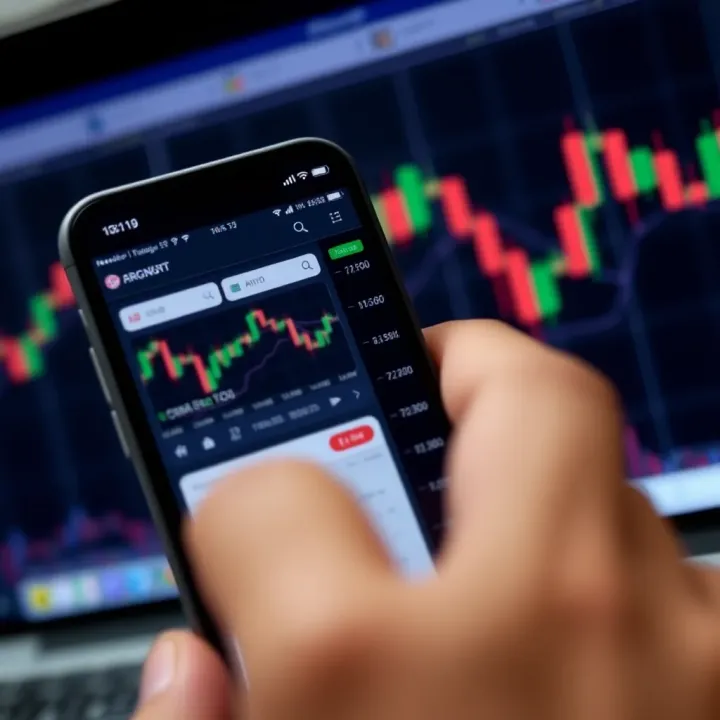
Find the best forex trading app in Pakistan! Learn how to pick apps with strong security, ease of use, fair costs, and fit for your trading style 📱💰
📈 Discover a step-by-step guide to forex trading in Pakistan! Learn about currency pairs, broker selection, risk tips, and local rules for smarter trading.
Learn how the Asian forex trading session works with Pakistan Standard Time 🕒, key currency pairs, trading tips, and strategies for smarter trades in Pakistan 📈💹.
Based on 14 reviews