
WhatsApp Forex Signals Groups in Pakistan: A Trader's Guide
📈 Discover how WhatsApp Forex signals groups work in Pakistan, their pros and cons, and tips to choose providers and manage risks wisely. 🇵🇰
Edited By
Liam Harrison
Forex signals WhatsApp groups have caught the attention of many traders in Pakistan, especially those looking for quick tips and trade ideas. These groups provide signals—essentially suggestions on when to buy or sell a currency pair—sent directly to your mobile via WhatsApp. This way, traders can act promptly without constantly monitoring the market.
Usually, these groups are run by experienced traders or analysts who share signals based on technical analysis, fundamental events, or a mix of both. For example, a group admin might send a signal like "Buy USD/PKR at 280.50, target 282.00, stop-loss 279.00". Traders then decide if they want to follow it.
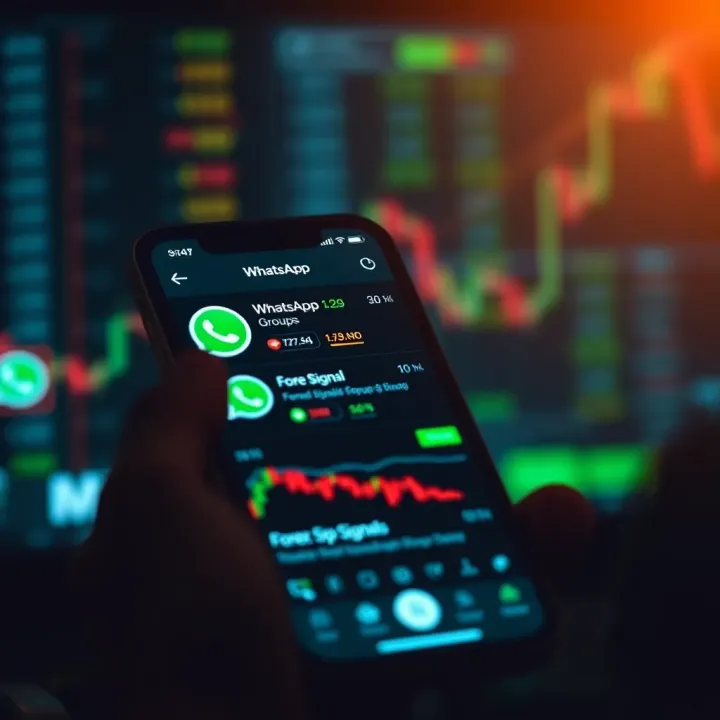
In Pakistan’s fast-moving forex landscape, where markets are affected by local politics, SBP policies, and global events, timely signals can be helpful additions to a trader’s toolkit. But not all signals are reliable; some groups may just push random tips or scams hoping to lure members.
Forex signals can provide useful market entry and exit points, but blindly following them without understanding the reasoning could lead to losses.
If you are thinking of joining these WhatsApp groups, it’s crucial to understand their workings, benefits, and risks. There’s a real danger of following poor advice or falling prey to fraudulent groups offering guaranteed profits. At the same time, well-managed groups can supplement your analysis and save time.
This article will help you spot trustworthy forex signals WhatsApp groups, explain how to make sense of signals, and share best practices to protect your capital while improving your trading decisions.
Whether you trade currency pairs like USD/PKR, EUR/USD, or GBP/JPY, getting the right signals at the right time can matter. But knowing what to trust, how to verify signals, and how to avoid scams is even more important for Pakistani traders who handle their funds and trades carefully amid volatile conditions.
Forex signals WhatsApp groups offer a convenient way for traders to receive timely suggestions about buying or selling currency pairs. These groups are especially popular in Pakistan, where quick market access can make a real difference for small and medium investors. Understanding how such groups function helps traders decide whether to join, and how best to use the signals provided.
Forex signals are trade recommendations based on market analysis. They usually come in two types: manual and automated. Manual signals come from experienced traders or analysts who interpret market news, economic data, and price charts to suggest entry and exit points. Automated signals rely on algorithms that scan the market using pre-set criteria, triggering alerts when certain conditions are met.
Both types have their value. Manual signals often incorporate human judgment and market nuances, while automated ones can scan data faster and operate continuously without emotional bias. For example, a manual analyst might avoid trades during political turmoil, whereas an automated system keeps sending signals regardless.
Typically, a forex signal includes critical data like entry price (when to buy or sell), exit price (when to close the trade), and stop loss (the maximum loss allowed). This clear set of instructions helps even novice traders act swiftly without spending hours studying charts. For instance, a signal might say: “Buy USD/PKR at 280.50, target 282.00, stop loss 279.50.” This helps traders manage risk and expectations effectively.
WhatsApp provides a fast and accessible platform for sharing forex signals in real time. Since many Pakistani traders use WhatsApp daily, it becomes an easy channel to receive instant trade alerts wherever they are, even during ongoing power outages.
Moreover, WhatsApp groups encourage direct communication, allowing members to ask questions or discuss signals promptly. This immediacy beats emails or websites, where delays or missed notifications can affect trade timings.
Group dynamics also influence how signals spread. Some groups foster healthy discussions and feedback among members, leading to shared learning. Others may just flood members with repeated signals without explanation, which can confuse or overwhelm. The quality of group interaction often determines the practical usefulness of the signals.
People who join these groups usually range from beginners seeking guidance to experienced traders wanting extra insights. Many Pakistani traders join groups to save time or supplement their own market research, especially during busy workdays.
Frequency and timing of signals vary between groups. Some deliver only a few well-curated signals daily, while others might send dozens randomly throughout the day. For example, a group might send signals before the Pakistan Stock Exchange opens or around major economic announcements.
Traders must understand what to expect and choose groups matching their trading style and availability, avoiding groups that overload with signals at inconvenient times or those unfitting for their experience level.
Forex signals WhatsApp groups work best when members clearly understand the nature of signals, the platform's strengths, and group behaviour. This awareness helps avoid common pitfalls and enhances trading decisions.
Joining Forex Signals WhatsApp groups offers several concrete advantages for traders, especially those operating in Pakistan's fast-moving forex market. These groups provide timely updates and actionable trade recommendations, helping members save time and reduce guesswork. At the same time, the social aspect of such groups often creates a supportive environment for sharing knowledge and boosting motivation. Below, we explore the key benefits in more detail.
Forex signals shared in WhatsApp groups deliver quick snapshots of market opportunities without requiring members to spend hours analysing charts and news feeds by themselves. For example, when a signal provider sends an entry price with stop loss and take profit levels, traders receive a ready-made plan to act on without sifting through complex data. This immediacy helps traders stay ahead in a dynamic environment where currency prices can shift rapidly.
For beginners, this rapid access is especially valuable. It allows them to observe real-time decision-making in forex trading, gaining practical insights beyond textbook knowledge. By watching how signals translate into trades, new traders can gradually understand market behaviour and technical tools under less pressure.
Peer discussions within these groups foster experience exchange that enriches everyone’s learning curve. Members often debate trade ideas, clarify signal details, or discuss broader market trends, which sharpens collective understanding. For example, a trader uncertain about a GBP/USD signal might find reassurance or additional perspectives by asking others in the group.
Besides knowledge, group participation often boosts morale. Trading alone can feel isolating, but a WhatsApp group creates a sense of belonging. Encouragement after a loss or celebrating a good trade together helps many traders maintain focus and discipline, vital traits for long-term success.
Signals work best when used to complement one’s personal analysis rather than replace it. Skilled traders often view signals as a second opinion to validate their own research. For instance, before placing a trade, a trader might check if the group’s signal aligns with their technical indicators or fundamental assessments, avoiding blind faith in a single source.
Integrating proper risk management with signals is another key benefit. Many reliable WhatsApp groups provide recommended stop loss points, helping traders limit losses. This approach encourages calculated trades rather than impulsive bets, protecting the trader’s capital. For example, even a well-timed signal can backfire if the trader ignores stop loss guidance, leading to bigger than necessary setbacks.
Using Forex Signals WhatsApp groups thoughtfully not only saves time but also broadens market understanding, offers community support, and strengthens risk-aware trading habits among Pakistan’s forex traders.
Forex Signals WhatsApp groups offer quick insights, but they carry risks traders should know before diving in. These challenges not only affect your trading profits but also impact learning and decision-making. Understanding these risks helps prevent avoidable financial setbacks and keeps your trading journey on firmer ground.
Many fraudulent groups lure members by promising guaranteed profits or insider tips. Their tactics often include sharing low-quality or fabricated signals that lead to losses. For example, some groups flood chats with signals without any real analysis, hoping newcomers will blindly follow to boost their subscription numbers.
Warning signs before joining include aggressive advertising, lack of transparency about who runs the group, and demands for upfront payments without any trial. Also, pay attention if a group discourages questions or tries to rush decisions. These red flags usually indicate a lack of credibility and potential scam.
Blindly following signals can cause significant losses because market conditions constantly change. If you don’t understand why a trade is recommended or how it fits your strategy, you might enter a trade at the worst moment. For instance, sudden political news or economic events can affect the market, making signals outdated in minutes.
Developing your own trading knowledge helps you assess whether a signal matches your risk level and market view. This independence empowers you to avoid bad trades and spot when a signal seems off. Taking time to learn chart patterns, news impact, and risk management ensures you don’t put your fate entirely in someone else’s hands.
Not all signals are accurate or profitable. Signal providers vary widely in their success rates, sometimes performing well during stable markets but failing badly during volatility. For example, a signal that worked fine last month might suddenly turn unreliable during political tensions or economic shocks in Pakistan.
Evaluating the track record of a signal group is crucial before committing. Look for verified results over several months, including losses and wins, not just cherry-picked successes. Credibility grows from transparency about past performance and openness to scrutiny. Without this, it’s hard to trust signals for real trading decisions.
Always approach Forex signals WhatsApp groups with caution. Confirm authenticity, avoid blind reliance, and demand clear performance evidence to protect your trading capital and boost your skills.
Selecting a trustworthy Forex signals WhatsApp group is key to effective trading. With many groups promising quick gains, knowing how to identify reliable sources saves you both time and money. This section breaks down practical ways to assess groups before joining, so you can avoid scams and improve your trading decisions.
Checking feedback from existing members is one straightforward method. Many groups have users who share real experiences, either praising consistent profits or warning about missed calls and fake signals. For example, a group with dozens of positive comments about signal accuracy and responsive admins likely offers better value than one where users complain of misleading calls or poor communication.
Verifying the credibility of signal providers involves looking beyond reviews. Providers should ideally have verifiable credentials or a public trading record. A known trader who shares past performance screenshots or links to trading accounts on reliable platforms can be more trustworthy. Conversely, providers who avoid answering straightforward questions about their background or results might not be dependable.
Availability of past performance data is essential to gauge signal effectiveness. Reliable groups usually showcase their historical success rates and detailed trade reports covering entry and exit points, profits, and losses. For instance, a group showing a 70% success rate over six months with clear supporting data demonstrates transparency and accountability.
Clear communication of risk disclaimers helps members understand the uncertainties involved. Honest providers warn that no signal guarantees profit and advise traders to use proper risk management. A group which openly discusses risks and encourages learning rather than promising guaranteed returns generally acts in the members’ best interest.
Transparency not only builds trust but also equips traders to make informed choices instead of blindly following signals.
Free versus paid group benefits vary significantly. Free groups often attract many users but may lack quality control or timely signals. Paid groups can offer better analysis and support, but that does not always guarantee success. For example, some paid signals groups offer trial periods or sample signals so you can evaluate their value without commitment.
Choosing affordable options matching your budget matters since trading involves risk, and losing money on costly signals adds to losses. For Pakistani traders, where budgets might be limited, it’s wise to pick groups charging reasonable fees in line with the quality of their services. Don’t opt for the cheapest only; instead, balance cost with potential usefulness.
By focusing on reputation, transparency, and sensible cost, you increase your chances of benefiting from Forex signals WhatsApp groups without falling into common traps.
Using forex signals from WhatsApp groups can be beneficial, but relying on them blindly may lead to losses. Applying signals effectively requires combining them with your own market understanding, managing risks carefully, and continuously reviewing performance. This section focuses on practical tips to make the most of signals and improve your trading decisions.
Avoiding complete dependence on signals is vital. Signals often provide entry and exit points, but the market can behave unpredictably. If you rely solely on signals without understanding the 'why' behind them, you risk following misleading or outdated advice. For example, if a signal advises buying a currency pair but your own technical charts suggest a downtrend, blindly following the signal could cause a loss. Taking time to learn basic chart reading helps you judge whether the signal matches current market conditions.
Cross-verifying signals with charts and news adds a solid layer of confirmation. Suppose a signal suggests entering a trade on USD/PKR; checking recent economic news, like SBP interest rate decisions or political developments, can provide context. Similarly, examining support and resistance levels on charts helps decide if the risk is justified. This practice reduces impulsive trades based solely on signals and builds your analytical skills over time.
Setting stop-loss and take-profit levels protects your capital. Even if signals include these levels, always consider your personal risk tolerance and adjust accordingly. For instance, a signal might suggest a stop-loss of 50 pips, but if your trading capital is limited, you may choose a tighter stop-loss to avoid large losses. Take-profit levels ensure you lock in gains before the market reverses, preventing emotional decision-making.
Limiting trade size based on your capital is another key aspect of risk control. If you have Rs 50,000 as your trading capital, risking 2% per trade means you shouldn’t lose more than Rs 1,000 on any single trade. This strategy keeps losses manageable, even if several trades go against you consecutively. Many traders ignore this and end up exposing too much of their capital, which is a quick way to exhaust funds.
Tracking signal success rates helps you spot which providers or groups offer reliable advice. Maintain a simple spreadsheet noting each signal’s outcome, including win/loss and profit or loss amount. Over time, this record reveals patterns: some signals might work better during certain market phases or for specific currency pairs.
Learning from past trades to improve strategies is equally important. Review your trades regularly to identify mistakes or missed opportunities. For example, if you notice consistently exiting too early or too late, you can adjust your approach. Keeping a trading journal with notes on why you took or skipped a signal fosters better discipline and decision-making.
The bottom line: Mixing forex signals with your own insight, managing risks prudently, and reviewing your trades systematically turns signals from mere tips into a valuable tool for growth in trading.
By using these tips, Pakistani traders can avoid common pitfalls and take better control of their trading journey with WhatsApp forex signals.
📈 Discover how WhatsApp Forex signals groups work in Pakistan, their pros and cons, and tips to choose providers and manage risks wisely. 🇵🇰

🔍 Discover how Binance free signals WhatsApp groups work, their benefits & risks, plus tips to find reliable crypto trading signals for smarter Binance trading in Pakistan.
📈 Discover how to find reliable free forex signals on Telegram! Learn to spot trusted channels, avoid scams, and boost your trading skills effectively.

Explore how XAUUSD signal WhatsApp groups help gold traders in Pakistan with real-time tips, spotting reliable sources, and managing potential risks. 📈💰
Based on 13 reviews