
Top Trading Apps for Pakistani Investors
📈 Discover the best trading apps for Pakistani investors! Compare features, fees, security 🔒, and regulations to pick the perfect platform for you.
Edited By
Michael Scott
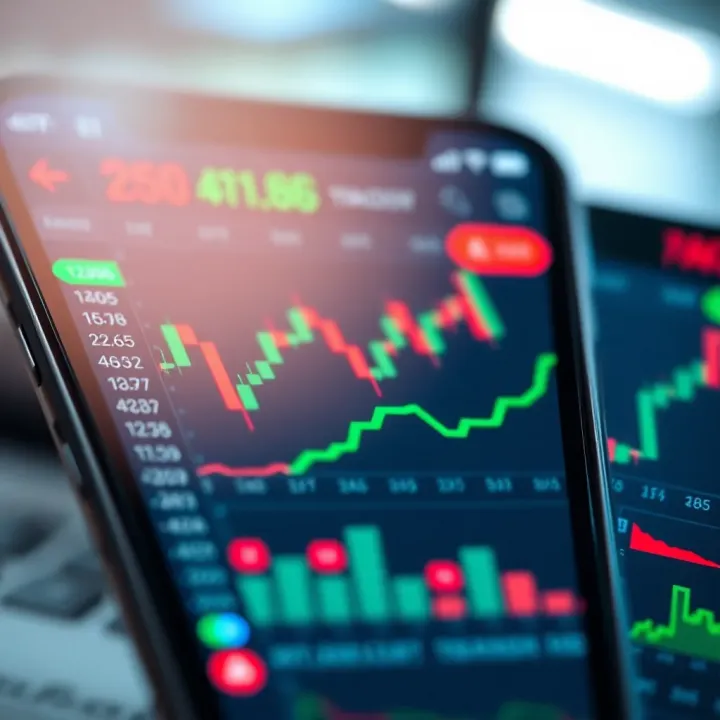
Trading in Pakistan has grown rapidly over the past few years, with more people joining local stock exchanges and exploring international markets. But the real game-changer is the rise of trading apps, which put the entire market in your pocket. Picking the right trading app isn't just about flashy features; it’s about security, ease of use, costs, and how well the app suits your trading style.
This guide aims to break down what you need to consider before downloading that app. From understanding the basic tools you’ll use daily, to spotting hidden fees or security risks, we’ll cover it all. Whether you're a seasoned investor or just starting, making the right choice can save you time, money, and headaches.
Remember, your trading app is your gateway to the market — choose one that feels like a good fit, not just the most popular name.
In the sections ahead, we will explore key features to watch for, review popular options available in Pakistan, and discuss practical tips to keep your investments safe. By the end, you’ll have a clearer idea of what to look out for so you can trade confidently and smartly.
When choosing a trading app, it's not just about having a flashy interface or tons of stocks listed. The right app makes a real difference, especially for traders in Pakistan where market movements can be swift and resource availability varies. You want something that works smoothly, keeps you informed, and protects your investments without any hassle.
Real-time market data is non-negotiable. Imagine trying to buy or sell stocks based on yesterday’s prices — that’s a recipe for loss. Trading apps like PSX’s official app or international platforms like MetaTrader provide up-to-the-minute quotes that reflect actual market conditions, helping you make decisions instantly. This feature keeps you in tune with price changes, volume, and market trends, so you're not left guessing.
Order execution speed matters a lot, especially if you’re a day trader or scalper. Every second counts when you’re trying to grab a dip or offload a position before a price dive. Apps like Interactive Brokers and Zerodha are known for their quick order processing, making sure you don’t miss crucial trades because of a lag. A slow app can cost you real money, so test the speed before committing.
Variety of financial instruments broadens your options beyond just stocks. Many Pakistani traders also look for access to commodities like gold and oil, currency pairs for forex trading, and even ETFs. Apps supporting this variety give you flexibility. For instance, ThinkMarkets offers commodities and forex alongside stocks, so you can diversify without juggling multiple platforms.
Ease of navigation is more important than most realize. You don’t want to waste time scrambling through menus when the market is moving fast. A clean, straightforward layout saves frustration. Apps like E*TRADE and TD Ameritrade, although not local, have great reputations for user-friendly design, which Pakistani traders also benefit from.
Customization options allow you to tailor the interface to your trading style. Some apps let you reorder tools, change chart types, and set alerts based on your preferences. This makes trading less of a chore and more efficient. For example, StockEdge, a popular app in Pakistan, offers customizable watchlists and charting tools to suit different strategies.
Mobile responsiveness is critical since many traders rely on smartphones. The app should not only look good on small screens but also maintain functionality without crashes or slowdowns. Given that mobile data can be spotty in some areas, an app that works well under varying network conditions, like Kite by Zerodha, is a safer bet.
Encryption standards keep your personal and financial data safe from hackers. Look for apps that use at least 128-bit SSL encryption—this scrambles data so only you and the app can read it. Apps like Freetrade and IG Markets emphasize this aspect, reassuring users their info won’t leak.
Two-factor authentication (2FA) is a must-have extra layer of defense. Even if someone steals your password, they can't log in without the second verification step, typically a code sent to your phone or generated by an app. Many Pakistani brokers have embraced this to keep accounts secure, including PSX’s online platforms.
Regulatory compliance ensures the app operates within legal boundaries, reducing the risk of fraud. Apps regulated by entities like SECP (Securities and Exchange Commission of Pakistan) or international bodies like FCA (Financial Conduct Authority) stand on firmer ground. Always confirm that the app is registered and compliant, so your investments aren’t at risk from shady practices.
Choosing the right trading app is more than picking what looks best on your phone. Prioritizing features that ensure speed, usability, security, and market coverage lays a solid foundation for your trading success. Traders in Pakistan should keep these points top of mind to avoid headaches down the line.
Selecting the right trading app in Pakistan isn't just about picking the flashiest one on the shelf. It’s about finding an app that genuinely fits your trading needs and connects smoothly with your market interests, whether local or global. An app that supports access to a range of markets and asset types can widen your investment horizons without jumping through hoops.
One of the biggest plus points in any trading app is how well it caters to both local and international markets. For Pakistani traders, this often means having seamless access to the Pakistan Stock Exchange (PSX) alongside major global exchanges.
Apps like Mettis and JS Global, which allow direct trading on the PSX, help investors tap into the local market’s pulse with real time updates and insights tailored to Pakistani economic trends. Meanwhile, platforms such as Interactive Brokers and eToro open doors to the New York Stock Exchange or the London Stock Exchange, letting users trade foreign stocks effortlessly. Having access to both means traders can diversify their portfolios — an approach that shields against local market downturns.
Forex trading has always been popular in Pakistan, driven by the volatility of the PKR/USD exchange rate. Apps like MetaTrader and AvaTrade offer solid currency trading features, providing wide access to major currency pairs and real-time forex signals. These platforms also often come with tools to analyze market trends and set up automated trading, which can be a game changer for traders looking to stay ahead without staring at screens all day.
Pakistan’s economy leans heavily on commodities like gold, oil, and agricultural products. Trading apps supporting these commodities, for example, IG Markets or Plus500, give traders a shot at investing in gold futures or crude oil contracts right from their smartphones. This extends opportunities beyond equities and currencies, enabling portfolios to span multiple asset classes for more balanced risk management.
Not all trading apps are created equal. What sets the best ones apart often boils down to usability, analytical tools, and how well they support users post-sign-up.
Ease of use remains a top priority. Apps like Zindagi Capital and Al Meezan Investment shine here with clean layouts, intuitive dashboards, and simple navigation, making them a breeze for newbies. Features such as quick order placements and easy fund transfers remove the common headaches beginners often face.
For serious traders, the availability of powerful analytical tools can’t be overstated. Apps like TradingView and MetaTrader provide advanced charting capabilities, customizable indicators, and live news feeds, letting traders spot patterns and make data-driven decisions. These features elevate trading from guesswork to strategy.
Even the best apps can trip up, and responsive customer service makes all the difference. Most leading apps offer multiple support channels—live chat, phone, email—with Zameen’s trading app and iVertical often praised for their swift and knowledgeable customer care. Prompt help not only clears doubts but also builds trust, especially when real money is involved.
Choosing the right trading app boils down to how well it matches your trading style and needs. The best apps in Pakistan don’t just provide access—they back you up with solid tools and support.
With these factors in mind, Pakistani traders can confidently navigate their options, aiming for apps that offer a balance of market access, functional features, and reliable support. This ensures trading doesn’t become another headache but stays a potentially rewarding experience.
Understanding the costs involved is essential before picking a trading app. These fees can quietly eat into your profits, especially if you're trading frequently or starting small. By knowing what to expect, you can choose an app that aligns well with your budget and trading style.
The main charges traders should pay attention to are brokerage commissions, inactivity fees, and deposit or withdrawal charges. For example, a commission might be just a small fraction of your trade, but if you place hundreds of trades monthly, those commissions add up fast. Similarly, some apps charge you if you keep your account dormant for too long, which could be a nasty surprise if you step away from trading.
Also, it's important to watch out for deposit and withdrawal fees, especially if you plan on moving money frequently. These charges vary widely between apps and banks, so being aware can help you avoid unnecessary losses. In Pakistan, where local banks and currency conversions can add extra layers of fees, this becomes even more critical.
In short, scrutinizing the cost structure of trading apps saves headaches and helps maximize your returns in the long run.
Commission structures form the backbone of trading costs. Most apps either charge a flat fee or a percentage of the trade value. Some platforms like JS Global Capital offer competitive rates starting at 0.03% per trade for PSX listings, which might be suited for high-frequency traders. On the other side, apps like IG Markets might charge higher fees but provide more advanced tools and international market access. Understanding whether the commission is fixed or variable will help you estimate your monthly expenses more accurately.
Inactivity fees might fly under your radar until they're charged. These fees apply if your account hasn't seen any trading activity over a set period, often three or six months. Apps like Al Meezan Securities remind users of such charges but avoid them if you make at least one trade a quarter. So, even if you're a casual trader, placing a small trade occasionally can keep your account dormant fee-free.
Deposit and withdrawal charges are often overlooked but can significantly impact your liquidity and profits. For instance, some apps levy a small percentage or fixed amount when you move funds in or out, especially if you use third-party payment services. Pakistani traders using HBL Konnect or JazzCash might face additional fees when linking these wallets for trading apps. Always double-check these costs and factor them into your decision-making.
When it comes to free versus paid versions, many trading apps offer a basic free tier with limited features. These might be enough for beginners or casual traders. For example, apps like PSX's own iTrade let users make trades without a subscription but restrict access to advanced charts or real-time news. The key is to assess your trading needs: if you’re just dipping toes, the free option can work, but beware of hidden limits.
Benefits of premium plans often include enhanced research tools, priority customer support, and higher transaction limits. Consider apps like TradePlus 5000, which offers a premium subscription unlocking access to sophisticated market alerts and deeper analytics. For active traders, this can be a worthy investment as it makes decision-making faster and more informed. That said, keep an eye out if the fees are justified by real usability improvements or just bloated features.
Remember, an app with lower fees but poor tools might cost you more in missed opportunities. Balancing cost against functionality is the smarter way to pick your trading partner.
By focusing on these financial layers behind trading apps, Pakistani traders can steer clear of unwanted fees and find a platform that suits their trading pace and pocket.
Choosing the right trading app isn’t just about features and costs; how well the app works on your devices plays a huge role in your trading experience. In Pakistan, where traders use a mix of smartphones, tablets, and desktops, it's key to find an app that fits smoothly across these platforms. Compatibility ensures the app performs reliably without glitches, letting you trade confidently without tech hiccups.
Most Pakistani traders use either Android or iOS smartphones, so picking an app that fully supports both systems is a smart move. An app optimized for Android phones, like Samsung or Oppo, might run differently from one built primarily for iPhones. If the app isn’t updated regularly for your operating system, you might face crashes or slow loading times, which can cost you in fast-moving markets.
For example, apps like MetaTrader 5 and IG Markets have solid performance on both Android and iOS, including timely updates that keep them compatible with the latest OS versions. If you switch phones or upgrade your system, check if the app supports the new version to avoid unpleasant surprises.
While mobile trading is popular, many experienced traders in Pakistan still rely on desktop versions for deeper analysis and better multitasking. A desktop app or a web-based platform offers a broader screen, useful for watching multiple market charts or technical indicators at once.
If the app you’re considering doesn’t offer a strong desktop client or functional web app, you may feel limited as your trading strategies evolve. Popular platforms like Interactive Brokers and ThinkorSwim provide robust desktop versions along with mobile apps, catering to traders who want flexibility.
Fast order execution is the name of the game in trading; slow apps can mean missed opportunities. Apps that hang or freeze can be maddening, especially when the market moves in a blink. This is why checking how quickly an app loads and executes trades on your device matters.
For instance, in Pakistan’s often intermittent internet conditions, apps that cache data smartly or offer offline capabilities can give you an edge. Apps like eToro implement fast cloud syncing, which helps maintain smooth performance even on average devices. If your device stalls or crashes frequently during market hours, it’s time to reconsider your app choice.
High battery drain is a silent killer for traders who rely on mobile devices all day. Some trading apps, packed with real-time data and complex graphs, can eat through your battery like there’s no tomorrow. For those trading from places with sporadic electricity, like rural areas or during load shedding, this can be a major inconvenience.
Look for apps known for efficient battery use or ones that allow you to adjust refresh rates and data update frequencies. For example, apps like TD Ameritrade’s thinkorswim let you customize how often charts update, helping extend battery life during long sessions.
Always test your chosen trading app on your actual device(s) before committing. An app that looks great on paper might not play nice with your phone’s hardware or local network conditions.
When you match the right app with your device compatibility and performance needs, you cut down tech frustrations and stay focused on what really matters—making smart trades in Pakistan's markets.
When choosing a trading app, solid customer support and educational resources can make or break your experience. In Pakistan's growing trading environment, a responsive support team can help you tackle technical hitches or clarify doubts, avoiding potential losses. Meanwhile, educational tools are vital for both beginners trying to learn the ropes and seasoned traders looking to refine their strategies.
Live chat offers instant help, which is especially useful when market situations change rapidly. Imagine you're about to make a quick trade but face an error; live chat can get you immediate assistance, preventing missed opportunities. Many apps like HBL Konnect and PSX's own platforms provide this feature with support available during trading hours.
Phone support is a more personal way to resolve complicated issues. Sometimes typing out a problem won’t cut it, and talking directly to a human gets things resolved faster. For example, if you need detailed guidance on withdrawal processes or account verification, a quick call to customer service can clear things up efficiently. Apps like Al Meezan Invest maintain dedicated helplines that many traders find helpful.
Email and ticketing systems are great for less urgent or detailed inquiries. If you hit a snag that requires documentation or follow-up, submitting a ticket keeps a record of the conversation and ensures your problem doesn’t get lost in the shuffle. This method suits questions like disputes over fees or requests for extended reports, where a clear trail is helpful.
Webinars and tutorials are invaluable for traders who want to stay updated or just learn the basics. These live or recorded sessions can explain complex concepts like technical indicators or risk management in a way that’s easy to grasp. Platforms like Zerodha’s Varsity and local brokers often offer free webinars tailored for Pakistani market conditions.
Market analysis reports help traders make better choices by giving insights into market trends, news updates, and forecasts. A well-prepared report can highlight the potential impact of political events or economic data releases on Pakistani stocks, commodities, or forex pairs. Many apps provide daily or weekly reports—some free, others behind a paywall—that assist traders in making informed decisions.
Community forums foster interaction between novice traders and experts alike. Being part of a forum like the PSX community or even finance-oriented Facebook groups allows users to share tips, ask questions, and warn each other about suspicious apps or scams. Participation here creates a sense of belonging and continuous learning, which is crucial in a market prone to sudden changes.
Reliable customer support combined with robust educational content not only builds trader confidence but also reduces mistakes that cost real money. When evaluating apps, look beyond just features and fees—how well the provider supports and educates you can hugely impact your trading success.
In summary, strong customer support and rich educational resources should weigh heavily in your decision. They can turn a decent app into a trusted trading partner that helps you grow your skills and protect your investments.
Choosing a trading app isn't just about picking the one with the flashiest graphics or the lowest fees. It's about finding a platform that fits your unique trading habits, goals, and risk appetite. Considering how varied traders are—from quick scalpers to those holding positions for years—what works perfectly for one may fall flat for another. That's why assessing your personal needs comes first.
When you pick an app that aligns with your trading style, you avoid the headache of constantly switching platforms or missing out on key features necessary for your strategies. Plus, the right app can make managing your portfolio smoother, saving time and preventing costly errors.
Day trading versus long-term investing
Understanding whether you're more of a day trader or a long-term investor sets the foundation for your app choice. Day traders need apps with lightning-fast order execution, real-time data feeds, and advanced charting tools. For example, a trader focusing on Pakistan Stock Exchange (PSX) stocks might opt for an app like PSX's official trading platform or an app like Moomoo that offers live market updates and quick trades.
On the other hand, long-term investors often prioritize apps that provide robust research reports, dividend tracking, and easy portfolio overviews. An app such as Investagrams offers detailed fundamental analysis tools useful for those planning to hold stocks over months or years.
Your comfort with potential losses shapes both your trading approach and app choice. If you have a low risk tolerance, you’ll want an app that offers strong risk management features, such as stop-loss orders, alerts, and educational content on managing losses. Apps that allow setting multiple conditional orders might help avoid emotional decisions when markets move quickly.
Meanwhile, those comfortable with high risk might look for apps giving access to leveraged products or more volatile instruments—like Forex or commodities—available through bigger platforms like MetaTrader or Interactive Brokers, which do operate for Pakistani traders via select brokers.
Matching the app’s capabilities with your individual risk threshold keeps your trading aligned with personal financial goals, preventing gut-wrenching moves under pressure.
One of the smartest moves is trying a demo or trial version of a trading app before committing real money. These accounts mimic live markets using virtual funds, letting you explore the app's interface, test order placements, and evaluate the available tools without the fear of losing cash.
For instance, apps like eToro and ThinkorSwim offer demo accounts where you can practice strategies on PSX-listed companies as well as international markets. Pakistani traders can especially benefit from this because it avoids jumping into unfamiliar tools straight away.
Demo accounts also reveal hidden quirks—like slow load times or confusing menus—that might not be obvious during a quick look. By experimenting first, you save yourself from aggravation and can pick an app that feels intuitive and reliable.
In sum, investing a little time in understanding your trading style, risk tolerance, and then trying out apps without financial stakes makes selecting the right trading software less of a shot in the dark and more of a confident step forward.
When diving into trading apps in Pakistan, staying safe is not just a suggestion—it's a necessity. Traders must be aware that the ease of downloading an app doesn't guarantee its trustworthiness. Scam apps can steal funds, personal information, or lead users down financial rabbit holes with false promises. Understanding how to spot legitimate platforms helps protect your investments and peace of mind.
One of the first steps to verify a trading app's credibility is by downloading it from official app stores like Google Play or Apple’s App Store. These platforms have vetting processes designed to filter out apps that don’t meet minimum security and operational standards. For example, investing apps found on these stores typically undergo background checks and are required to show developer credentials, which acts as a basic safeguard. Avoid downloading APKs or apps from unofficial sites, as these versions are often modified or malicious.
Don't just scroll past user reviews—take time to read them carefully. Genuine users often highlight issues like delayed withdrawals, app crashes during trades, or poor customer service. Check if multiple reviews complain about the same problems, which can be a red flag. For instance, if a supposed app to trade on Pakistan Stock Exchange garners a persistent complaint about freezing or lost orders, it’s worth reconsidering. On the flip side, consistently high ratings accompanied by detailed positive feedback can indicate a trustworthy app.
If an app claims you’ll double your money in a few days or guarantees sky-high returns with zero risk, step away immediately. Legitimate trading is about managing risks and understanding market uncertainties, not fast cash magic. Apps making such claims often bait new traders into schemes that end badly. For example, if an app targets traders in Pakistan promising 50% returns weekly, it should raise serious suspicions.
Transparency is key in trading, especially with costs. Be cautious about apps that sneak in hidden fees or don’t clearly outline brokerage charges, withdrawal fees, or inactivity penalties upfront. For example, a trading app might promote "zero commission" trades but then charge excessive fees elsewhere. Always look for detailed fee policies before committing. If the fee info is buried deep in confusing terms, that's another warning sign.
Staying alert and doing a bit of homework before committing to any trading app can save you from regret. In Pakistan's growing digital trading space, suspicious apps lurk, but thorough checks for authenticity, honest reviews, and fee clarity help traders steer clear of scams without losing sleep.
📈 Discover the best trading apps for Pakistani investors! Compare features, fees, security 🔒, and regulations to pick the perfect platform for you.

📱 Explore top trading apps in Pakistan! Compare user-friendly features, costs, and security to find the perfect fit for beginners & pros. Start trading smart today!
Explore top trading apps in Pakistan 📱 with this detailed guide covering features, security tips, and how to pick the best platform for your trading needs.
📱 Discover how to safely navigate trading apps in Pakistan. Learn features, risks, security tips, and choose the best app for your trading needs.
Based on 7 reviews